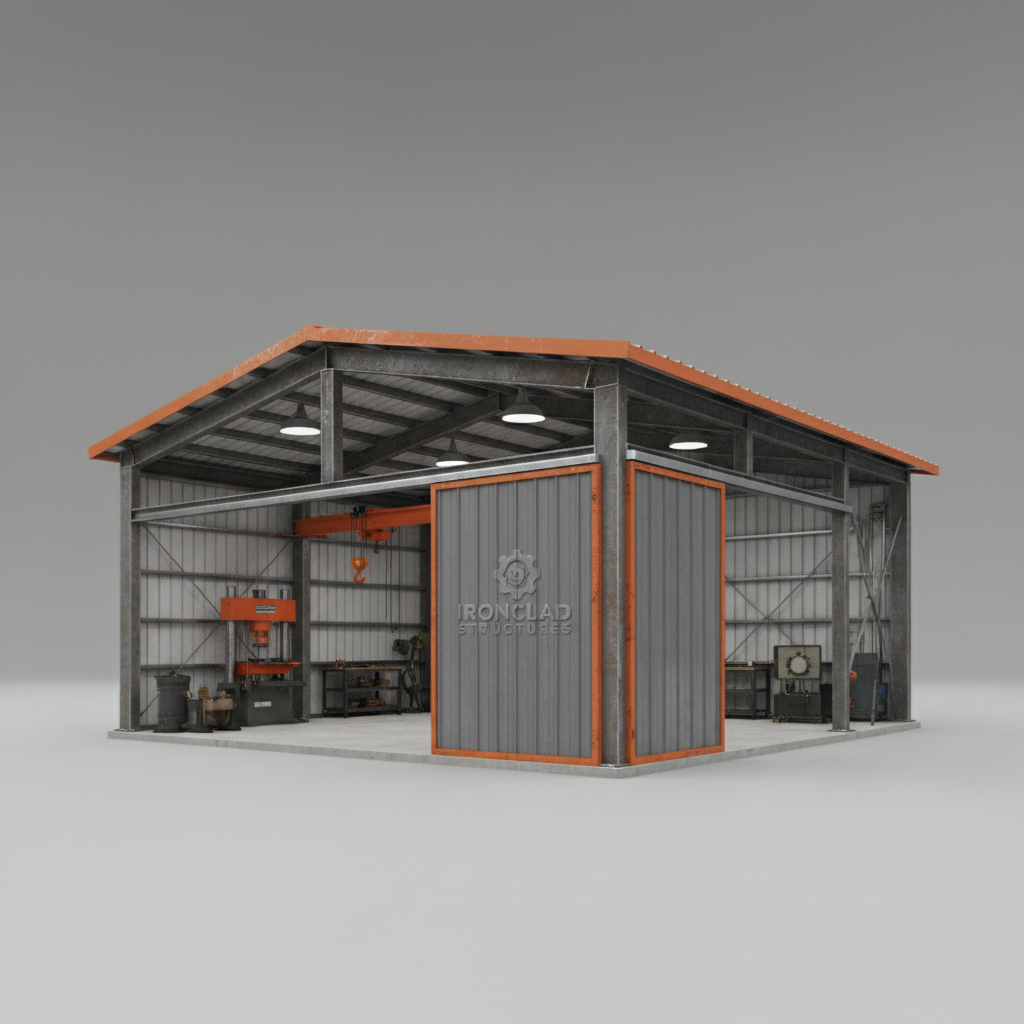
Steel building construction companies are at the forefront of modern infrastructure development, providing robust, cost-effective, and sustainable solutions for a wide range of applications. These companies specialize in the design, fabrication, and erection of steel structures, playing a critical role in shaping the built environment across the globe. The demand for steel buildings is driven by factors such as increasing urbanization, the need for rapid construction, and the growing emphasis on durable and resilient infrastructure.
Globally, the steel building industry is experiencing significant growth, fueled by economic expansion in emerging markets and the need for infrastructure renewal in developed nations. According to the World Steel Association, global steel demand reached approximately 1.869 billion tonnes in 2023, demonstrating the widespread use of steel in construction. The role of a steel building construction company is pivotal, not only in erecting structures but also in providing engineering expertise and project management, ensuring projects are completed efficiently and safely.
The benefits of utilizing a specialized steel building construction company are manifold. They possess the technical knowledge, skilled workforce, and specialized equipment required to handle complex steel construction projects, delivering high-quality results within budget and on schedule. This expertise is vital for projects ranging from industrial warehouses and commercial buildings to bridges and high-rise structures. steel building construction company offerings are becoming increasingly essential to modern construction.
The Global Significance of Steel Building Construction
Steel building construction companies are indispensable to global infrastructure development. From towering skyscrapers to expansive industrial complexes, steel provides the structural backbone for countless projects worldwide. The increasing demand for sustainable and resilient infrastructure solutions has positioned these companies as key players in shaping the future of the built environment. Their expertise allows for efficient construction, minimizing environmental impact and maximizing long-term value.
The influence of these companies extends beyond mere construction. They contribute significantly to economic growth by creating employment opportunities, fostering innovation in construction technologies, and driving advancements in material science. A capable steel building construction company understands and navigates these complexities, delivering projects that meet the evolving needs of a global market.
Defining Steel Building Construction Companies
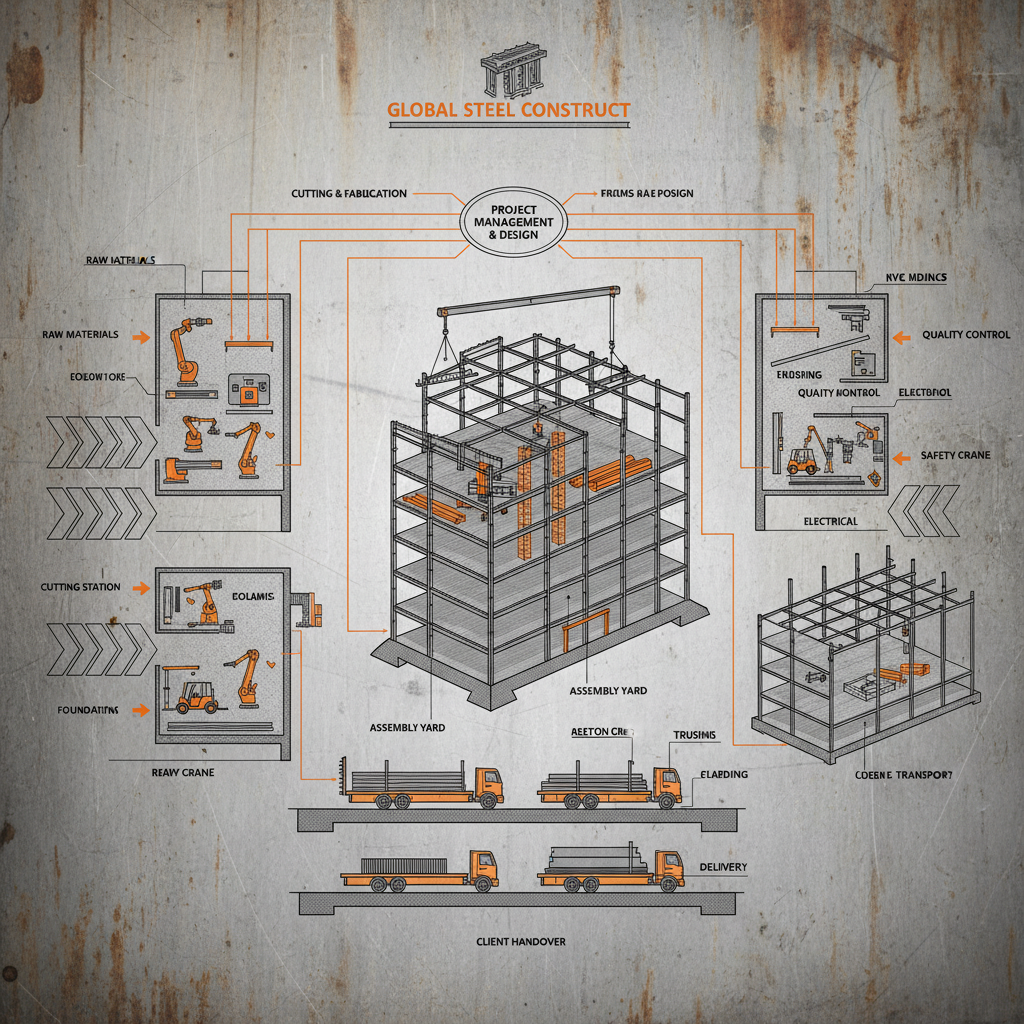
A steel building construction company specializes in the entire lifecycle of steel structures, from initial design and engineering to fabrication, erection, and maintenance. These companies employ a team of skilled professionals including structural engineers, fabricators, welders, project managers, and construction workers. They are adept at interpreting blueprints, selecting appropriate steel grades, and implementing quality control measures to ensure structural integrity.
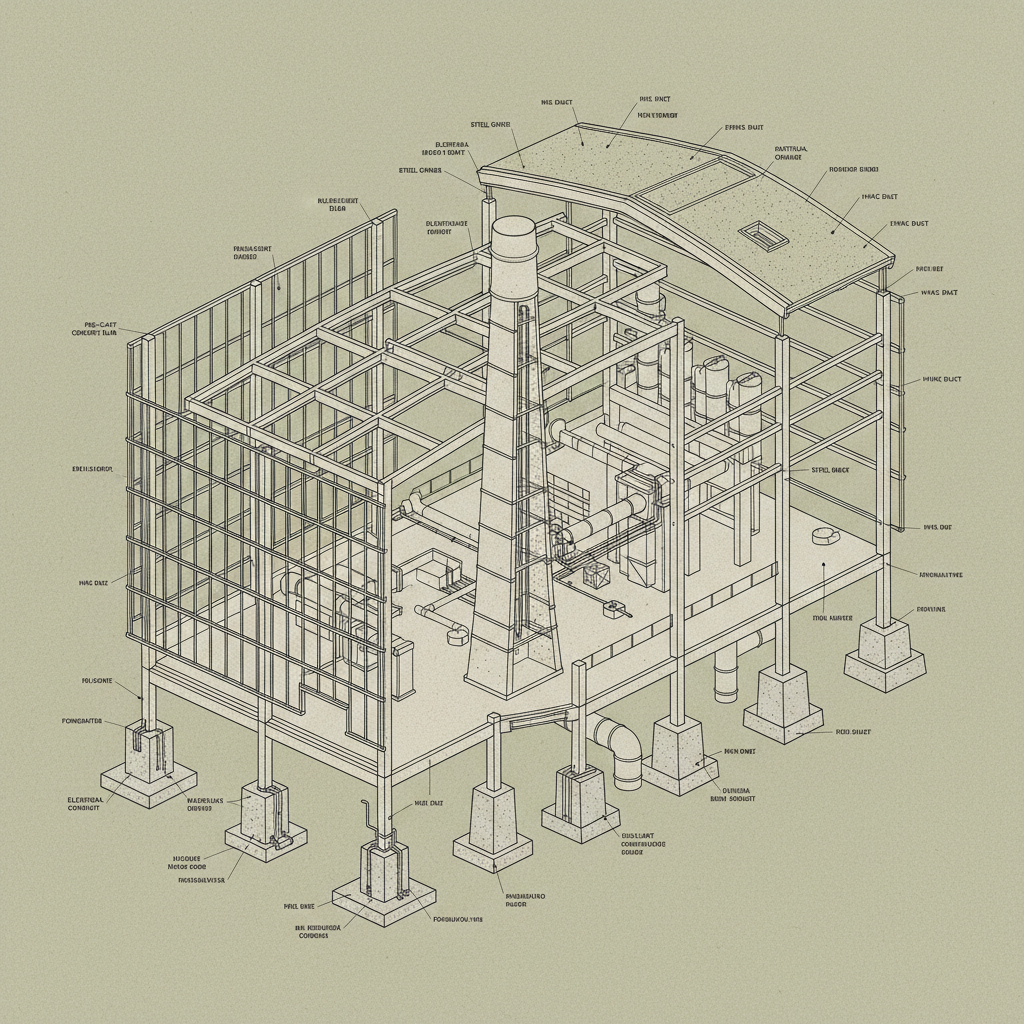
The scope of their work often includes detailing, shop drawing creation, and coordination with other trades such as electrical, plumbing, and HVAC systems. Unlike general contractors, steel building construction companies focus specifically on steel components, often utilizing Building Information Modeling (BIM) to enhance precision and collaboration throughout the project.
Their work is intrinsically linked to modern industrial and humanitarian needs, providing rapid deployment solutions for housing, disaster relief, and infrastructure development in challenging environments. The efficient and scalable nature of steel construction makes it ideal for addressing these critical requirements.
Core Components of Steel Building Excellence
Several key components define excellence within a steel building construction company. Firstly, Engineering Expertise is paramount. This involves meticulous structural analysis, detailed design, and adherence to stringent building codes. Secondly, Fabrication Quality plays a vital role; precise cutting, welding, and assembly of steel components ensure a robust and durable structure.
Thirdly, Project Management Proficiency is crucial for coordinating resources, managing timelines, and mitigating risks. Efficient project management ensures projects are completed on time and within budget. Fourthly, Safety Standards are non-negotiable; strict adherence to safety protocols protects workers and ensures a secure construction site. These components work in synergy, and a quality steel building construction company prioritizes all of them.
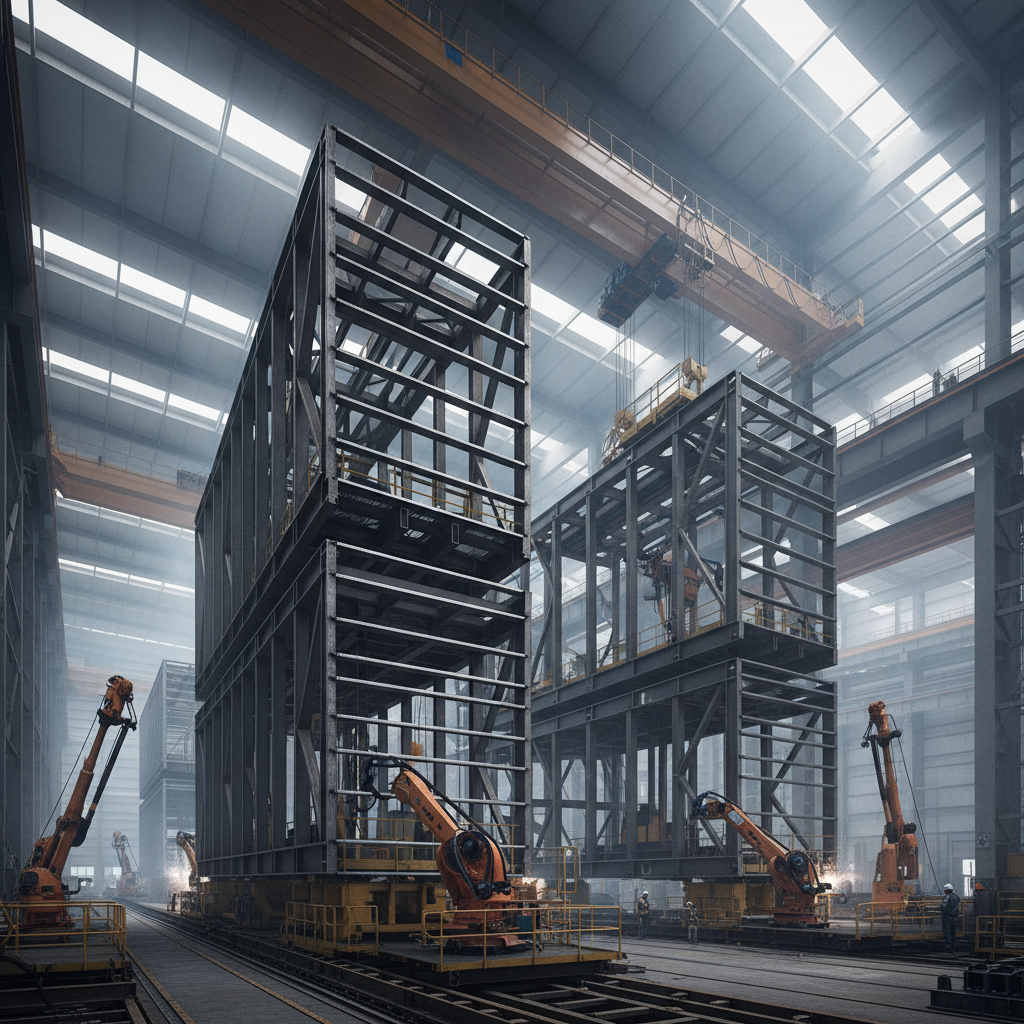
Finally, Technological Integration is becoming increasingly important. Companies utilizing BIM, advanced welding techniques, and automated fabrication processes demonstrate a commitment to innovation and efficiency. These core components combine to form a foundation of excellence for any successful steel building construction enterprise.
Key Advantages of Steel Construction
Steel offers several key advantages over other building materials, contributing to the growing demand for steel building construction companies. Durability is a primary benefit; steel structures are renowned for their strength and ability to withstand extreme weather conditions, seismic activity, and other environmental challenges.
Another significant advantage is Design Flexibility. Steel can be molded into virtually any shape, allowing for creative architectural designs and customized solutions. The material also offers exceptional Cost Efficiency through faster construction times, reduced maintenance requirements, and the potential for prefabrication.
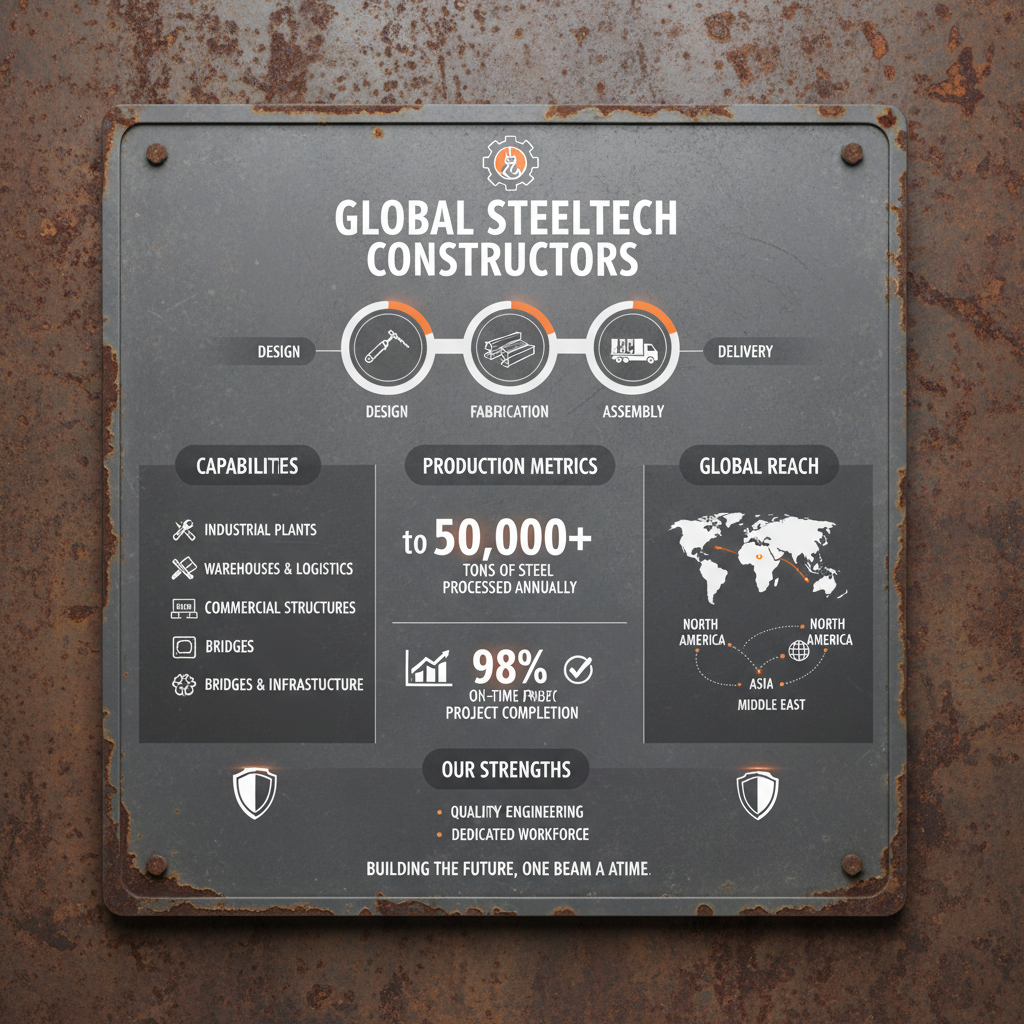
Steel Building Construction Performance Metrics
Global Applications and Industry Impact
Steel building construction companies serve a vast range of industries and applications globally. In the Industrial Sector, they construct warehouses, manufacturing facilities, and distribution centers. In Commercial Development, they are responsible for building office towers, retail spaces, and shopping malls.
In post-disaster relief operations, rapid deployment housing utilizing steel framing offers a crucial solution for providing safe and secure shelter to affected populations. Furthermore, in remote industrial zones, pre-engineered steel buildings provide a cost-effective and efficient solution for establishing critical infrastructure. The versatility of steel construction makes steel building construction company offerings essential in many critical scenarios.
Long-Term Value and Sustainability
Investing in steel buildings offers substantial long-term value. Their durability reduces maintenance costs and extends the lifespan of the structure, resulting in lower lifecycle expenses. Steel is also a highly recyclable material, contributing to sustainable construction practices and reducing environmental impact.
Beyond the tangible benefits, steel buildings offer peace of mind. Their inherent strength and resilience provide a safe and secure environment for occupants, fostering a sense of trust and well-being. Choosing a reputable steel building construction company is an investment in quality, safety, and sustainability.
From an economic standpoint, the efficient construction process and reduced long-term costs associated with steel buildings can provide a significant return on investment. The inherent scalability of steel structures also allows for easy expansion or modification, adapting to changing business needs.
Future Trends and Innovations in Steel Construction
The future of steel building construction is poised for significant innovation. The integration of Digital Technologies such as BIM and AI is streamlining design and construction processes, enhancing precision, and reducing errors. Advanced Materials such as high-strength steel and composite materials are increasing the performance and durability of steel structures.
Sustainable Practices are gaining prominence, with a focus on reducing carbon emissions through the use of recycled steel and energy-efficient building designs. Automation and Robotics are being implemented in fabrication and erection processes, improving efficiency and safety. These trends are reshaping the industry and driving the need for specialized expertise within steel building construction company offerings.
The adoption of modular construction techniques, utilizing prefabricated steel components, is also gaining traction, enabling faster project completion and reduced on-site disruption. Furthermore, advancements in corrosion protection technologies are extending the lifespan of steel structures in harsh environments.
FAQS
Steel offers several advantages for industrial warehouses. It allows for larger clear spans, reducing the need for internal columns and maximizing usable floor space. Construction time is significantly faster with steel, leading to quicker project completion and return on investment. Steel is also lightweight, reducing foundation requirements, and is highly durable, requiring less maintenance over its lifespan.
A reputable company employs rigorous quality control procedures at every stage, from initial design and engineering to fabrication and erection. This includes thorough structural analysis, adherence to relevant building codes and standards, material testing, and on-site inspections by qualified engineers. BIM is often utilized to create detailed 3D models and identify potential clashes or structural weaknesses.
The timeframe varies depending on the size and complexity of the project, but a moderate-sized steel building typically takes between 8 to 16 weeks to complete, from foundation to final enclosure. Steel's faster construction time compared to other methods often allows for quicker occupancy and return on investment. Proper planning and efficient project management are crucial for staying on schedule.
Steel is a highly ductile material, meaning it can deform significantly without fracturing. This makes steel buildings particularly well-suited for seismic regions, as they can absorb energy from earthquakes and withstand substantial ground motion. Properly designed steel structures with appropriate bracing and connections can provide excellent seismic resistance.
Steel is one of the most recycled materials in the world, and using recycled steel significantly reduces the environmental impact of construction. Steel buildings also have a long lifespan, reducing the need for frequent replacements. Furthermore, steel is durable and requires minimal maintenance, contributing to long-term sustainability.
Effective cost management involves careful planning, accurate estimating, efficient material procurement, and skilled labor management. Utilizing prefabricated components, optimizing structural designs, and minimizing waste are also key strategies. A transparent and collaborative approach with the client ensures that the project stays within budget.
Conclusion
In conclusion, steel building construction companies play a vital role in shaping the modern built environment, providing durable, cost-effective, and sustainable solutions across a wide range of industries. Their expertise in design, fabrication, and erection, coupled with the inherent advantages of steel, makes them indispensable partners for projects of all sizes and complexities. The continued adoption of innovative technologies and sustainable practices will further enhance their impact in the years to come.
Looking ahead, prioritizing collaboration, investing in workforce development, and embracing digital transformation will be critical for success in the evolving landscape of steel construction. By focusing on these key areas, steel building construction company can continue to deliver exceptional value to clients and contribute to a more sustainable and resilient future.