0%

Table of Contents

Steel building contractors are essential to modern infrastructure development, providing specialized expertise in the design, fabrication, and erection of steel structures. These professionals play a critical role in a wide range of projects, from industrial facilities and commercial buildings to bridges, warehouses, and residential complexes. Their expertise ensures projects are completed safely, efficiently, and to the highest quality standards.

Globally, the demand for steel construction is steadily increasing, driven by rapid urbanization, economic growth in emerging markets, and the need for sustainable and resilient infrastructure. Steel's strength-to-weight ratio, durability, and recyclability make it an ideal material for a variety of applications, positioning skilled steel building contractors as key players in the construction industry. steel building contractors are increasingly sought after.

The success of any steel construction project hinges on the expertise of these contractors. They are responsible for interpreting architectural and engineering drawings, managing project timelines, coordinating subcontractors, and ensuring compliance with building codes and safety regulations. Their role extends beyond just erecting steel; it includes providing value engineering, cost optimization, and innovative solutions to complex construction challenges.
Expert Steel Building Contractors for Modern Infrastructure Projects

The Importance of Steel Building Contractors

Expert Steel Building Contractors for Modern Infrastructure Projects

Steel building contractors aren’t just construction workers; they are specialized professionals who bring a unique skillset to projects. Their understanding of steel properties, fabrication techniques, and erection procedures is vital for the structural integrity and longevity of any steel building. Without qualified contractors, projects risk delays, cost overruns, and potentially, structural failures.

The role of a skilled steel building contractor extends beyond simply putting steel in place. It encompasses a holistic approach to project management, safety, and quality control, ensuring every aspect of the construction process adheres to the highest industry standards.

Defining Steel Building Contractors

Steel building contractors are companies or individuals specializing in the fabrication, erection, and installation of steel structures. They typically handle projects from the initial blueprint review and detailing to the final bolt tightening. Their responsibilities include interpreting engineering designs, procuring materials, managing a team of skilled ironworkers, and ensuring compliance with safety regulations.

These contractors often work with architects, engineers, and project owners to ensure the successful completion of a project. They may offer a range of services, including welding, bolting, rigging, and coating, all tailored to the specific needs of the project. A reputable contractor will prioritize safety and quality in every aspect of their work.

The work of steel building contractors is deeply connected to modern industry and humanitarian needs. From constructing the infrastructure that supports global trade to providing rapid deployment shelters in disaster zones, their expertise is crucial for building a more resilient and connected world.

Key Attributes of Top Steel Building Contractors

Top steel building contractors distinguish themselves through a combination of technical expertise, project management skills, and a commitment to safety. They possess a deep understanding of steel metallurgy, fabrication processes, and erection techniques, enabling them to tackle complex projects with confidence.

Effective communication and collaboration are also hallmarks of successful contractors. They maintain open lines of communication with project stakeholders, proactively address challenges, and ensure a smooth and efficient workflow. Moreover, a strong safety record and adherence to industry best practices are non-negotiable.

Finally, financial stability and a proven track record of successfully completing projects on time and within budget are crucial indicators of a reliable and trustworthy steel building contractor. Clients need confidence that their projects will be handled professionally and delivered as promised.

Core Components of Steel Construction Projects

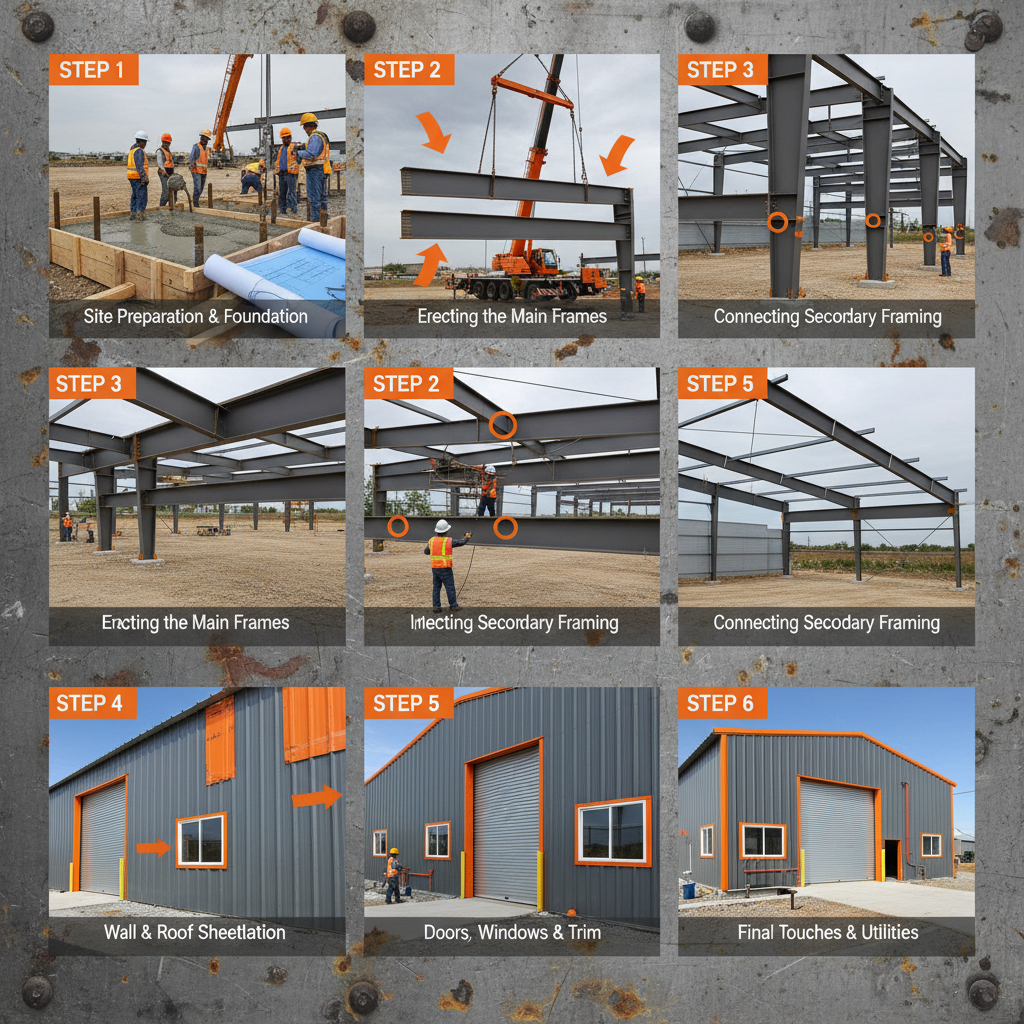
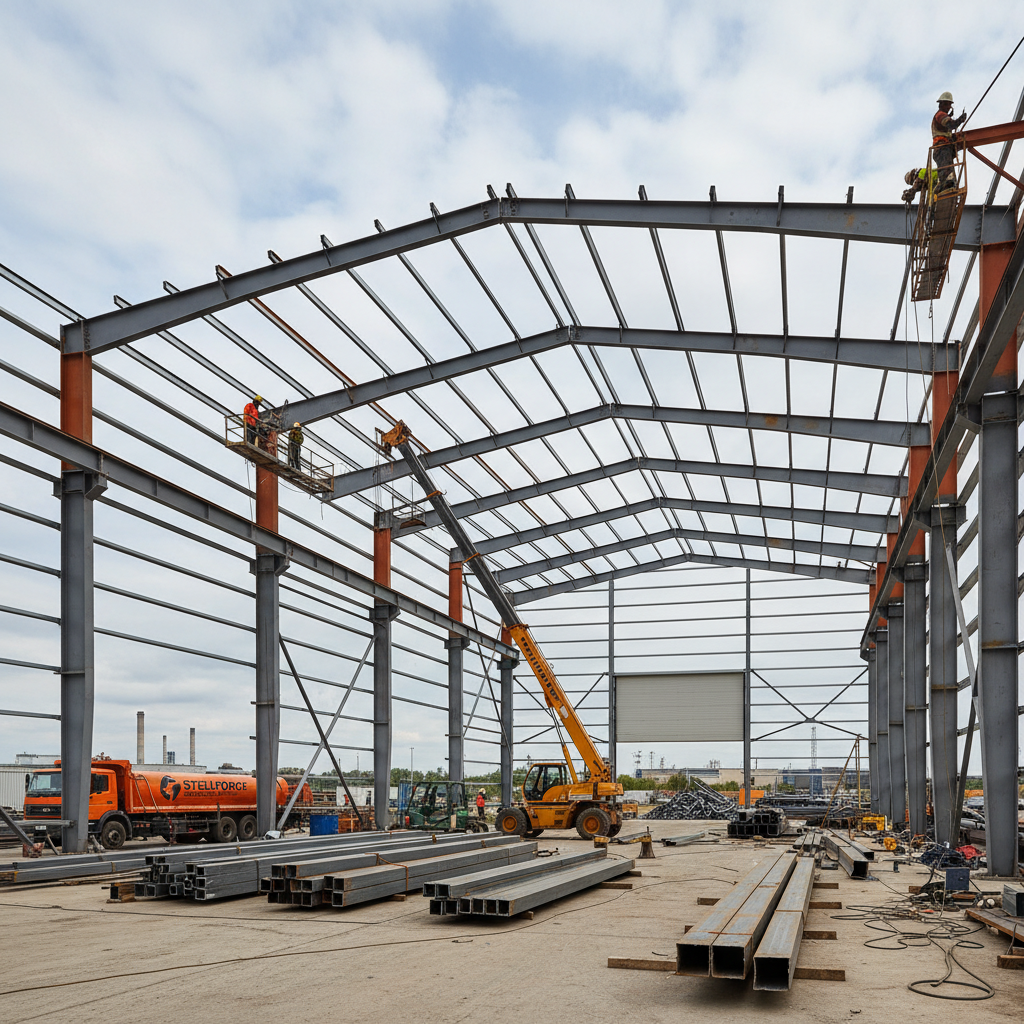
Successful steel construction projects rely on several core components, all expertly managed by qualified steel building contractors. These include detailed fabrication drawings, precise steel fabrication, efficient transportation, and safe and accurate erection.

The initial phase involves creating detailed shop drawings that translate the architectural and engineering designs into precise fabrication instructions. Accurate fabrication is critical to ensure all steel components fit together seamlessly during erection.

Steel Building Contractors Method Comparison


Global Applications of Steel Building Contractors

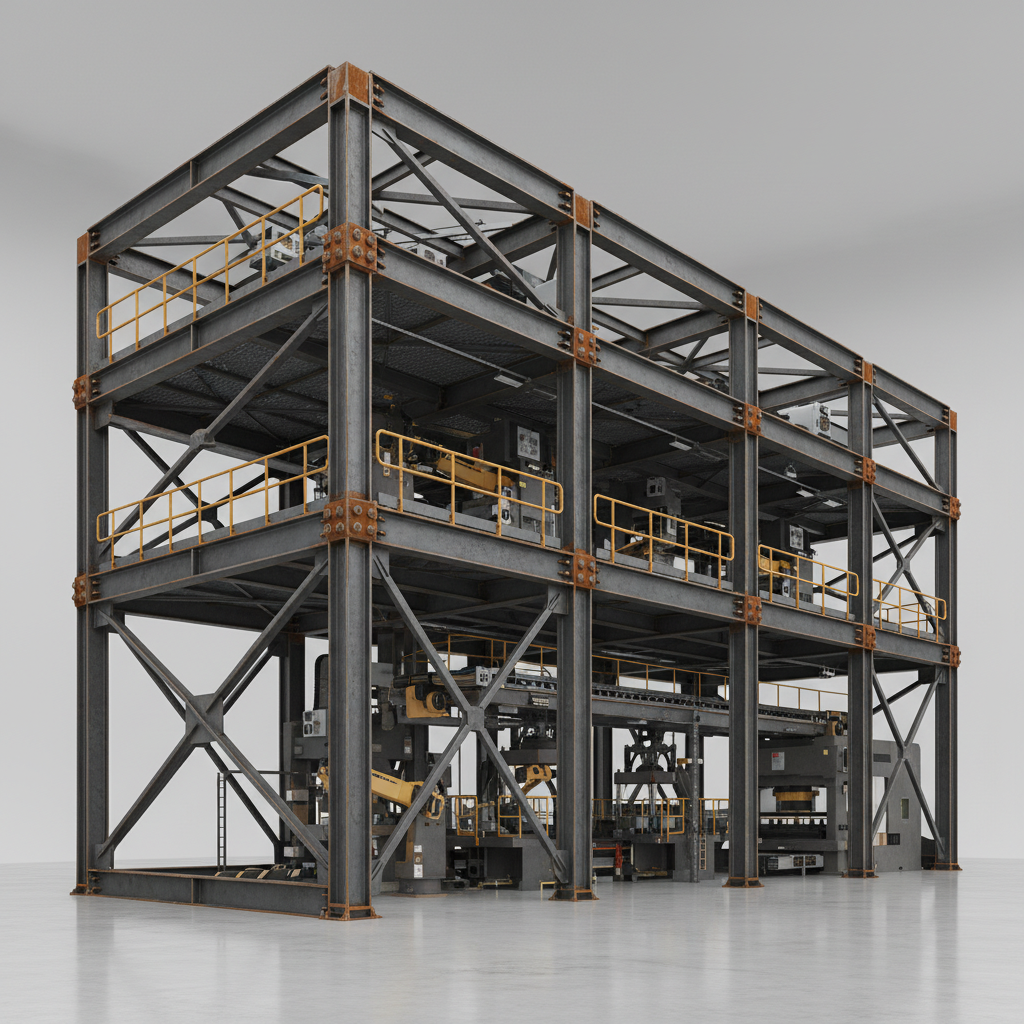
The expertise of steel building contractors is in demand worldwide, supporting a diverse range of projects across numerous industries. They are vital in constructing skyscrapers in bustling metropolitan areas, industrial warehouses in logistics hubs, and complex infrastructure projects like bridges and power plants.

In post-disaster relief operations, steel building contractors play a crucial role in rapidly deploying temporary shelters and essential infrastructure. Their ability to quickly fabricate and erect steel structures provides immediate support to affected communities. Furthermore, in remote industrial zones, they are essential for building and maintaining facilities that enable resource extraction and processing.

Advantages and Long-Term Value

Choosing qualified steel building contractors offers numerous tangible benefits. Steel construction is known for its durability, requiring less maintenance over time compared to other building materials. This translates into lower life-cycle costs for building owners. Steel is also highly recyclable, making it an environmentally sustainable choice.

Beyond cost savings and sustainability, steel structures offer superior safety and resilience, particularly in areas prone to earthquakes, hurricanes, or other natural disasters. The precision and quality control inherent in steel construction also contribute to a higher level of aesthetic appeal and architectural flexibility.

Future Trends in Steel Construction

The future of steel construction is being shaped by several key trends, including the adoption of Building Information Modeling (BIM) for improved design coordination, the increasing use of automated fabrication techniques, and the development of high-strength, lightweight steel alloys.

Sustainability is also a major driving force, with a growing emphasis on using recycled steel and implementing energy-efficient construction practices. The integration of smart technologies, such as sensors and data analytics, is enabling real-time monitoring of structural health and predictive maintenance.

Digital transformation and prefabrication are rapidly changing how steel buildings are designed, fabricated, and erected. Expect to see increased efficiency, reduced waste, and faster project timelines as these technologies become more widely adopted by steel building contractors.

FAQS

What qualifications should I look for when hiring steel building contractors?

When selecting steel building contractors, prioritize experience, certifications (like AWS or AISC), a strong safety record, and a verifiable track record of successful projects. Check their licensing, insurance, and bonding. Don’t hesitate to request references and review past project portfolios. It is also important to evaluate their communication skills and ability to collaborate effectively.

How long does a typical steel building project take?

Project timelines vary significantly depending on the complexity of the design, the size of the structure, and site conditions. A small warehouse might take several weeks, while a large industrial facility or skyscraper could take months or even years. Detailed planning, efficient fabrication, and coordinated erection are key to minimizing project duration.

What are the main safety considerations during steel erection?

Safety is paramount during steel erection. Key considerations include proper fall protection, crane operation procedures, rigging and lifting techniques, and worker training. Compliance with OSHA regulations and regular safety inspections are essential to prevent accidents and ensure a safe work environment.

How can I minimize costs on my steel construction project?

Value engineering, careful material selection, and efficient project management can help minimize costs. Working with experienced steel building contractors who can identify potential cost savings and optimize the design are essential. Pre-fabrication also contributes to cost reduction due to increased efficiency and reduced on-site labor.

What are the benefits of using BIM in steel construction?

Building Information Modeling (BIM) offers significant benefits, including improved design coordination, clash detection, accurate quantity takeoffs, and enhanced collaboration. It reduces errors, minimizes rework, and optimizes project schedules. BIM also facilitates better communication between all stakeholders throughout the project lifecycle.

How does weather impact steel erection?

Weather conditions can significantly impact steel erection, especially wind, rain, and extreme temperatures. High winds can create safety hazards during lifting operations, while rain can affect welding and surface preparation. Contractors must implement appropriate safety measures and adjust schedules as needed to mitigate weather-related risks. Ice and snow can also create slippery surfaces and make work difficult.

Conclusion

In conclusion, steel building contractors are indispensable professionals who drive innovation and progress in the construction industry. Their expertise in steel fabrication, erection, and project management is critical for building durable, sustainable, and resilient infrastructure that supports economic growth and improves quality of life. Investing in qualified contractors ensures projects are completed safely, efficiently, and to the highest quality standards.

As technology continues to evolve and sustainability becomes increasingly important, the role of steel building contractors will become even more critical. Embracing new technologies like BIM and automated fabrication will be essential for staying competitive and delivering innovative solutions to meet the challenges of the future. To learn more about how experienced steel building contractors can help with your next project, visit our website: www.hjsdwarehouse.com.
William Davis

William Davis

William Davis is a Design Engineer at H.J SHUNDA, specializing in the design of poultry sheds and agricultural buildings. He brings a creative approach to solving design challenges, focusing on functionality, animal welfare, and cost-effectiveness. William holds a Bachelor’s degree in Architecture and has a keen interest in applying innovative
Previous Exploring the Crucial Role of Steel Building Manufacturers in Modern Construction
Next Leading Steel Building Construction Company for Robust Infrastructure Solutions