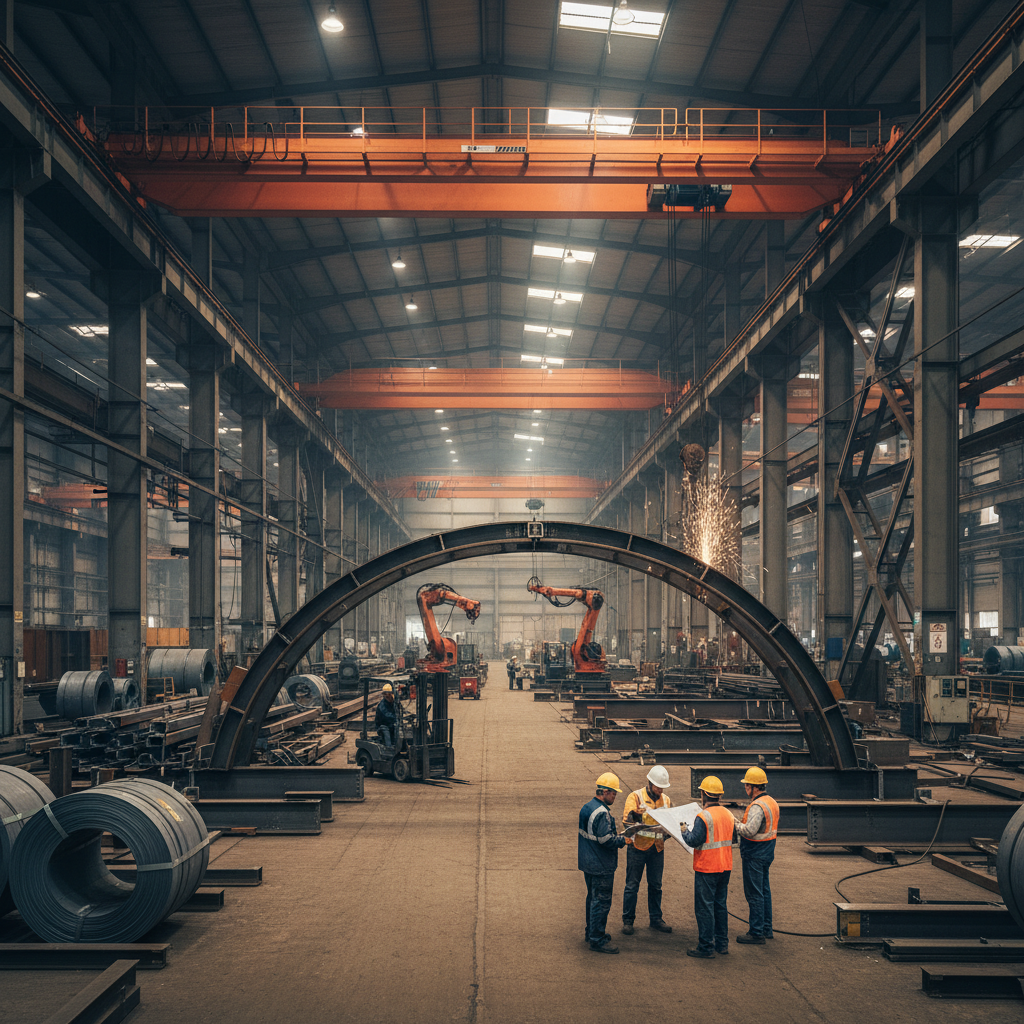
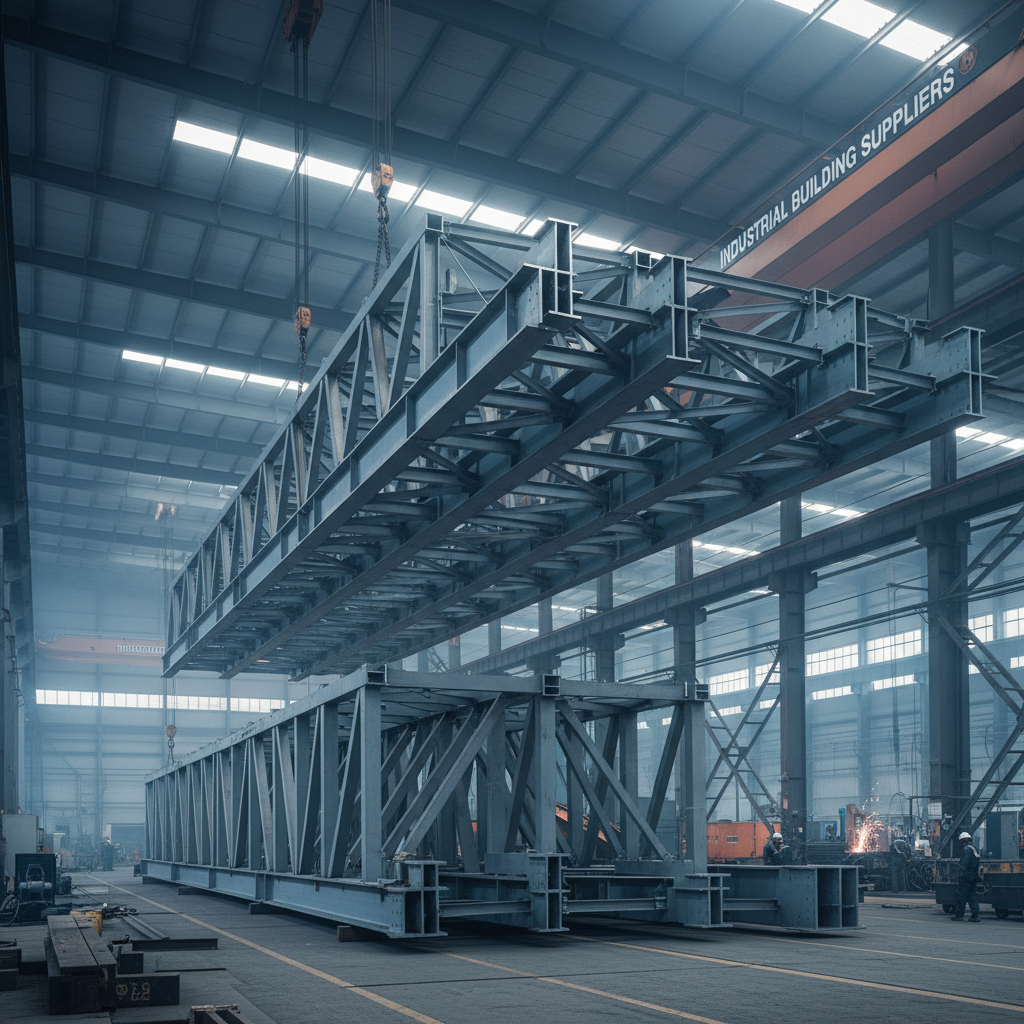
Steel building manufacturers are pivotal in modern construction, offering robust and efficient solutions for a diverse range of applications. From industrial warehouses to agricultural storage, and even residential complexes, these manufacturers provide pre-engineered steel structures that are increasingly favored over traditional building methods. The demand for steel buildings continues to grow globally, driven by their speed of construction, cost-effectiveness, and inherent durability.
The significance of steel building manufacturers extends beyond simply providing structures. They play a critical role in supporting economic development by enabling rapid infrastructure expansion, particularly in emerging markets. Furthermore, advancements in steel technology and sustainable manufacturing processes are transforming the industry, making steel buildings an environmentally responsible choice.
Understanding the capabilities and innovations within the steel building manufacturing sector is essential for architects, engineers, developers, and anyone involved in the construction industry. The benefits of choosing steel—strength, versatility, and recyclability—are increasingly recognized as vital components of modern, sustainable building practices.
The Role of Steel Building Manufacturers in Modern Construction
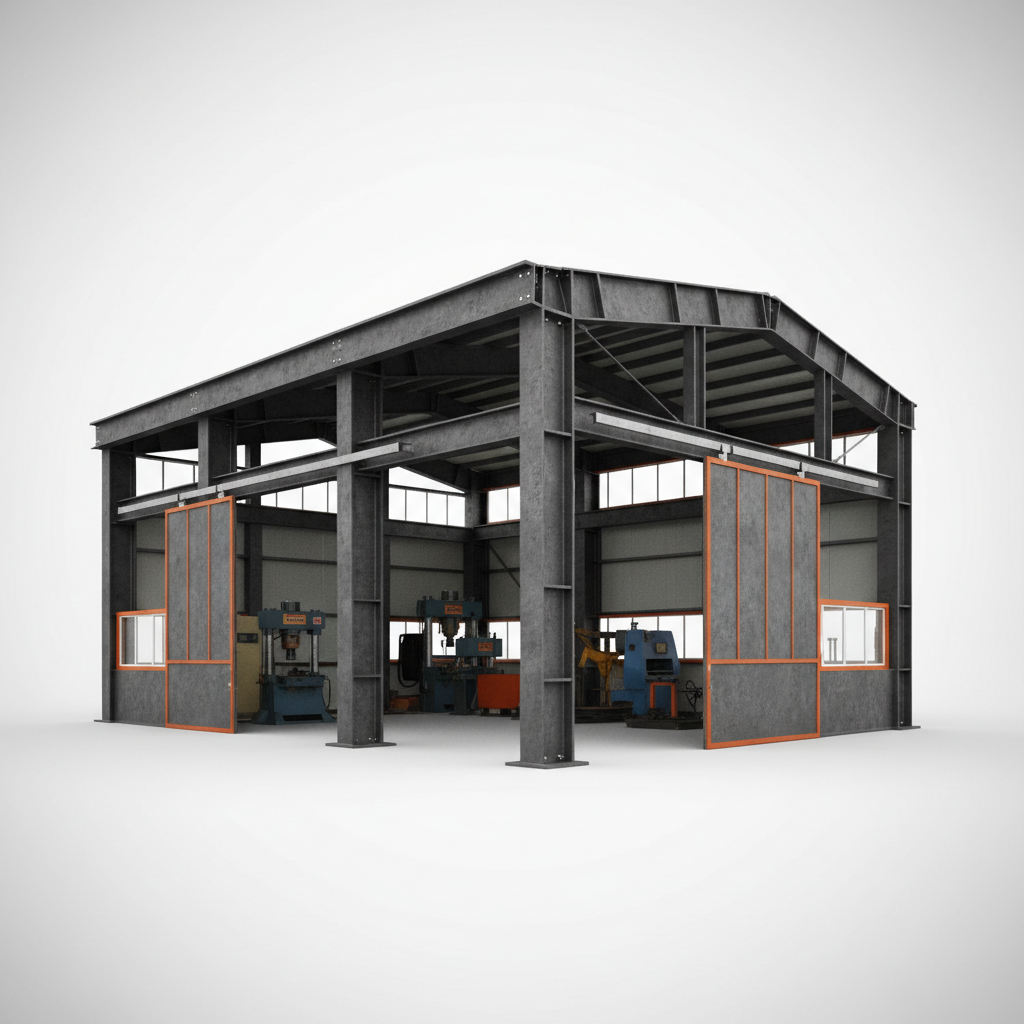
Steel building manufacturers are reshaping the construction landscape, providing alternatives to conventional building techniques. Their specialization lies in the design, fabrication, and erection of pre-engineered steel structures, tailored to meet specific client requirements. This pre-engineering process streamlines construction, reducing on-site labor and project timelines significantly.
These manufacturers are instrumental in facilitating growth across numerous sectors, including industrial, commercial, agricultural, and residential. The adaptability of steel allows for designs ranging from simple agricultural barns to complex multi-story commercial buildings, highlighting the versatility that defines modern steel construction.
Defining Steel Building Manufacturers
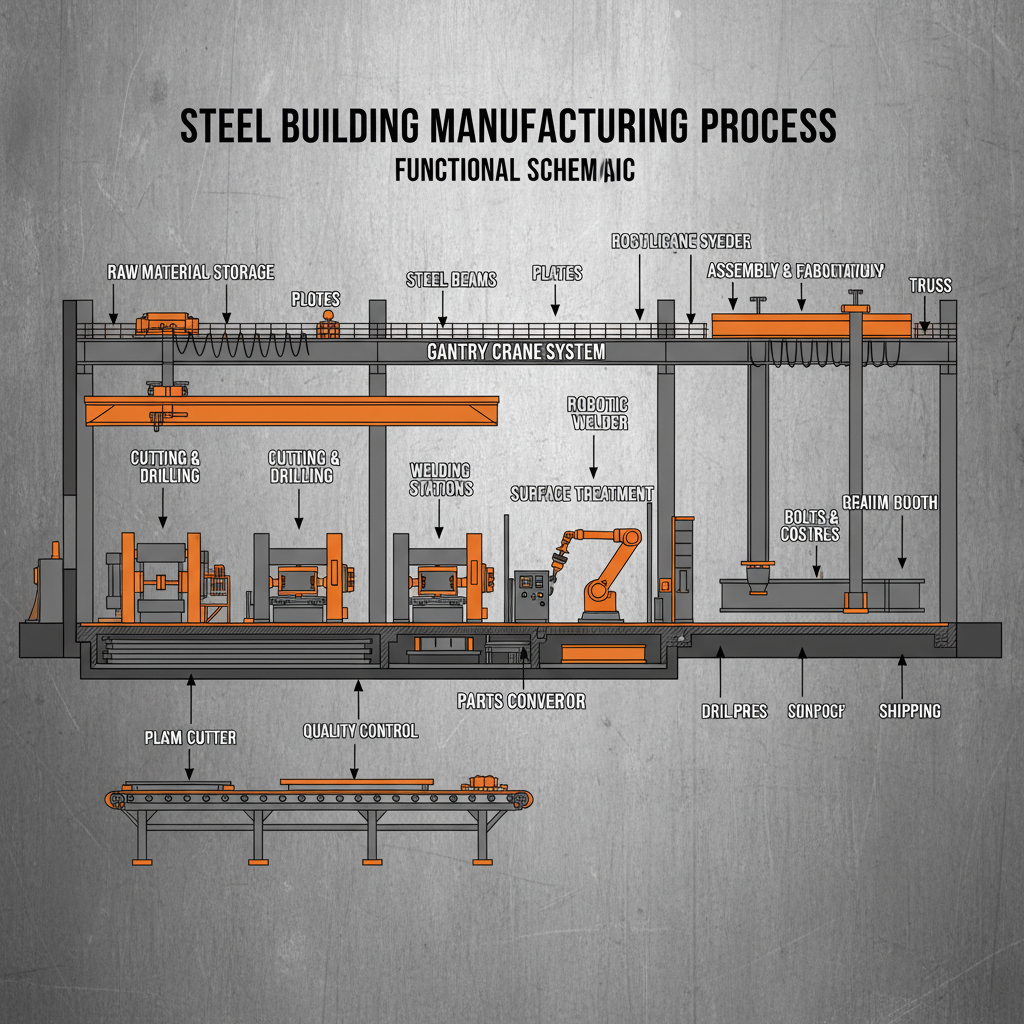
Steel building manufacturers are companies specializing in the complete process of creating pre-engineered steel structures. This encompasses initial design, precise fabrication of steel components, and ultimately, the on-site assembly of the building. They operate with a high degree of precision, utilizing computer-aided design (CAD) and computer-aided manufacturing (CAM) technologies to ensure accuracy and efficiency.
Their role extends beyond simply producing steel frames; they often provide complete building packages, including roofing, siding, insulation, and accessories. This turnkey approach simplifies the construction process for clients, reducing coordination challenges and overall project complexity.
The connection to modern industry and humanitarian needs is strong. Steel buildings can be rapidly deployed in emergency situations, providing shelter and critical infrastructure. In industrial sectors, they offer durable and scalable solutions for warehousing, manufacturing, and logistics, enabling economic growth and efficiency.
Core Characteristics of Steel Buildings
Steel buildings are defined by several core characteristics that distinguish them from traditional construction methods. Firstly, their inherent strength-to-weight ratio allows for larger spans and open floor plans, increasing design flexibility. This strength also contributes to exceptional durability and resistance to natural disasters like earthquakes and hurricanes.
Secondly, steel is a remarkably versatile material. It can be easily formed, shaped, and joined, enabling complex architectural designs and customized building configurations. This adaptability, combined with the pre-engineering process used by steel building manufacturers, allows for a high degree of design customization while maintaining cost-effectiveness.
Finally, steel is 100% recyclable, making it an environmentally responsible building material. The ability to reuse steel at the end of a building's life cycle reduces waste and conserves natural resources, aligning with sustainable building practices.
Key Benefits: A Comparative Analysis
Compared to traditional construction methods like concrete or wood, steel buildings offer several key advantages. These benefits encompass durability, cost-efficiency, speed of construction, and design flexibility, making steel a compelling choice for a wide range of projects.
The speed of construction is particularly noteworthy. Pre-engineered steel buildings require minimal on-site preparation and assembly, significantly reducing project timelines. This rapid deployment capability is crucial for industries needing to quickly expand capacity or respond to urgent infrastructure needs.
Comparative Benefits of Different Building Methods
Global Applications & Industry Sectors
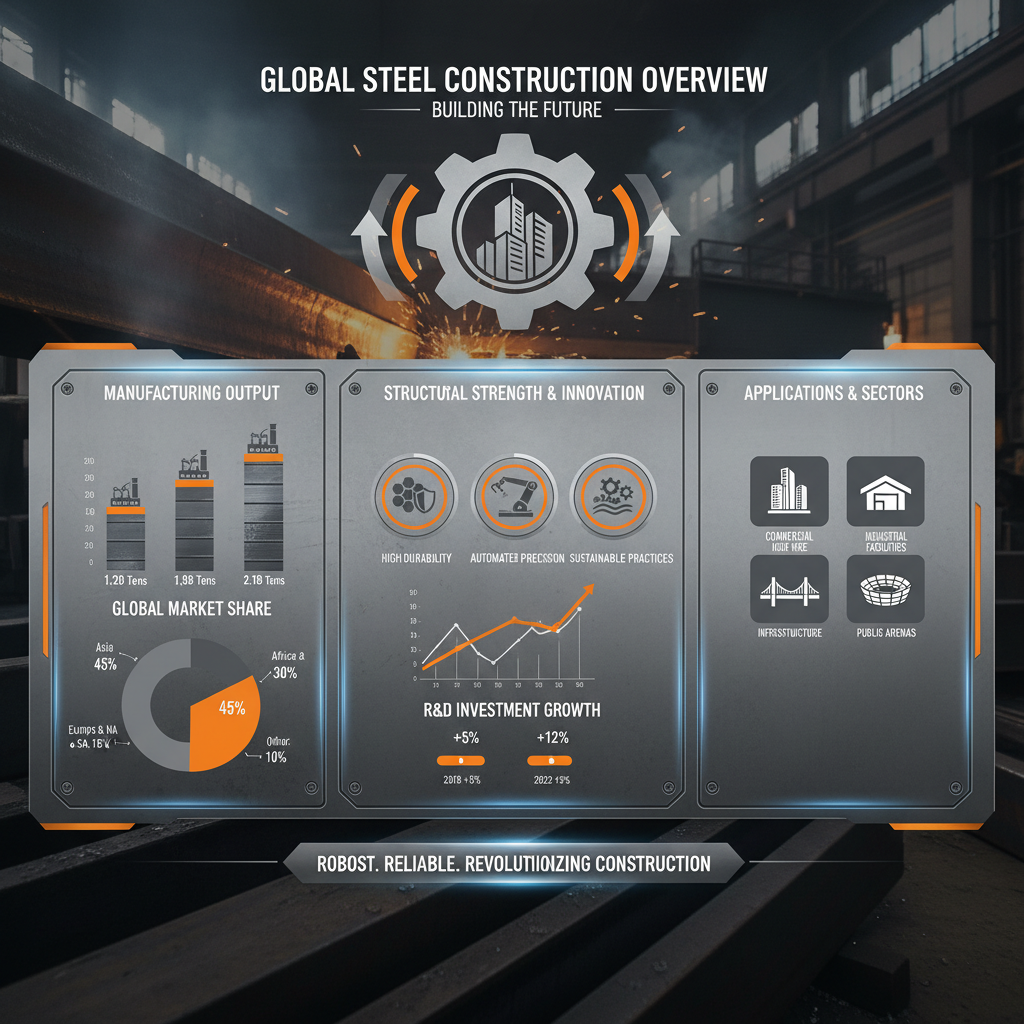
The applications of steel buildings are remarkably diverse, spanning across numerous industry sectors globally. In agriculture, they provide durable and cost-effective storage for crops and livestock. Industrial facilities benefit from the large, open spans and load-bearing capacity of steel structures, ideal for manufacturing and warehousing.
In post-disaster relief operations, rapid deployment steel buildings offer immediate shelter and essential infrastructure. Similarly, in remote industrial zones, where construction resources are limited, pre-engineered steel buildings provide a practical and efficient solution.
Long-Term Value & Sustainability
Choosing a steel building from reputable steel building manufacturers represents a long-term investment. Beyond the initial cost savings associated with faster construction and reduced labor, steel buildings offer exceptional durability and require minimal maintenance over their lifespan.
The sustainability benefits are also significant. Steel is a highly recyclable material, reducing environmental impact and promoting a circular economy. Furthermore, advancements in steel production are continually reducing the carbon footprint of these buildings, contributing to a more sustainable construction industry.
The peace of mind that comes with a robust and reliable structure, coupled with the environmental responsibility of utilizing a recyclable material, provides substantial long-term value for building owners and communities.
Future Trends & Technological Advancements
The future of steel building manufacturing is driven by innovation in materials, technologies, and construction processes. One key trend is the development of high-strength steels, allowing for lighter structures and reduced material costs. Automation and robotics are also playing an increasing role in fabrication, improving precision and efficiency.
The integration of Building Information Modeling (BIM) is revolutionizing the design and construction process, enabling seamless collaboration and minimizing errors. Furthermore, advancements in sustainable steel production, such as the use of hydrogen in steelmaking, are reducing the environmental impact of steel buildings.
Smart building technologies, including integrated sensors and energy management systems, are being incorporated into steel structures, enhancing their performance and reducing operating costs. These trends demonstrate a commitment to innovation and sustainability within the industry.
Summary of Key Challenges and Potential Solutions in Steel Building Manufacturing
| Challenge |
Impact on Steel Building Manufacturers |
Potential Solution |
Implementation Difficulty (1-10) |
| Supply Chain Disruptions |
Increased Material Costs, Project Delays |
Diversifying Suppliers, Strategic Stockpiling |
6 |
| Skilled Labor Shortage |
Reduced Fabrication Capacity, Increased Labor Costs |
Investing in Training Programs, Automation |
7 |
| Rising Energy Costs |
Higher Manufacturing Expenses |
Adopting Energy-Efficient Technologies, Renewable Energy Sources |
5 |
| Design Complexity |
Increased Engineering Time, Higher Costs |
Utilizing BIM Software, Standardized Design Components |
4 |
| Environmental Regulations |
Compliance Costs, Increased Scrutiny |
Implementing Sustainable Manufacturing Practices, Utilizing Recycled Materials |
6 |
| Competition |
Price Pressure, Reduced Profit Margins |
Differentiation Through Innovation, Customer Service |
8 |
FAQS
Lead times for custom steel building projects vary depending on the complexity of the design, the size of the structure, and current manufacturing capacity. Generally, you can expect a lead time of 6-12 weeks from finalized design to delivery. Steel building manufacturers prioritize efficient production, but complex projects naturally require more time for fabrication and quality control. Accurate planning and early communication are key to minimizing delays.
Steel buildings are often more cost-effective than traditional construction methods, particularly when considering long-term costs. While the initial material cost may be comparable, the faster construction time reduces labor expenses significantly. Furthermore, steel buildings require less maintenance and have a longer lifespan, resulting in lower lifecycle costs.
While "pre-engineered" suggests limited customization, modern steel buildings offer a surprising degree of flexibility. Steel building manufacturers can adapt designs to meet specific requirements, including door and window placements, roof pitches, and aesthetic features. BIM technology allows for precise visualization and modification of designs, ensuring the final product aligns with your vision.
Steel can corrode if exposed to moisture and certain chemicals, but robust preventative measures are employed during manufacturing. Galvanization, a zinc coating, is commonly used to protect steel from rust. Additional coatings, like epoxy or polyurethane, can provide further protection in corrosive environments. Proper design and maintenance are also crucial to ensuring long-term corrosion resistance.
Building codes and regulations for steel structures vary depending on location. Generally, they adhere to standards set by organizations like the American Institute of Steel Construction (AISC) and the International Building Code (IBC). Steel building manufacturers ensure their designs comply with all relevant local and national codes, providing engineering documentation for permitting and inspection.
Steel is one of the most recycled materials globally, making it a relatively sustainable building choice. Manufacturers are increasingly adopting eco-friendly practices, such as using recycled steel and reducing energy consumption. The long lifespan and durability of steel buildings also contribute to their sustainability by minimizing the need for frequent replacements.
Conclusion
In conclusion, steel building manufacturers are vital contributors to modern construction, offering a unique blend of strength, versatility, cost-effectiveness, and sustainability. From accelerating project timelines to minimizing environmental impact, the benefits of steel buildings are becoming increasingly recognized across diverse industries and applications. Understanding the nuances of steel construction and the innovations driving the industry is crucial for informed decision-making in the built environment.
Looking ahead, continued investment in research and development, coupled with a commitment to sustainable practices, will further enhance the capabilities of steel building manufacturers. By embracing emerging technologies and fostering collaboration, the industry can unlock even greater potential, shaping a more resilient, efficient, and environmentally responsible future for construction. Visit our website: www.hjsdwarehouse.com