Industrial building manufacturers are pivotal in shaping the modern world, providing the essential infrastructure for industries ranging from manufacturing and logistics to healthcare and technology. The demand for robust, efficient, and adaptable industrial spaces is constantly growing, driven by global economic expansion, evolving supply chains, and the need for specialized facilities. These manufacturers aren't simply constructing buildings; they are enabling economic activity, supporting innovation, and contributing to the overall progress of societies worldwide.
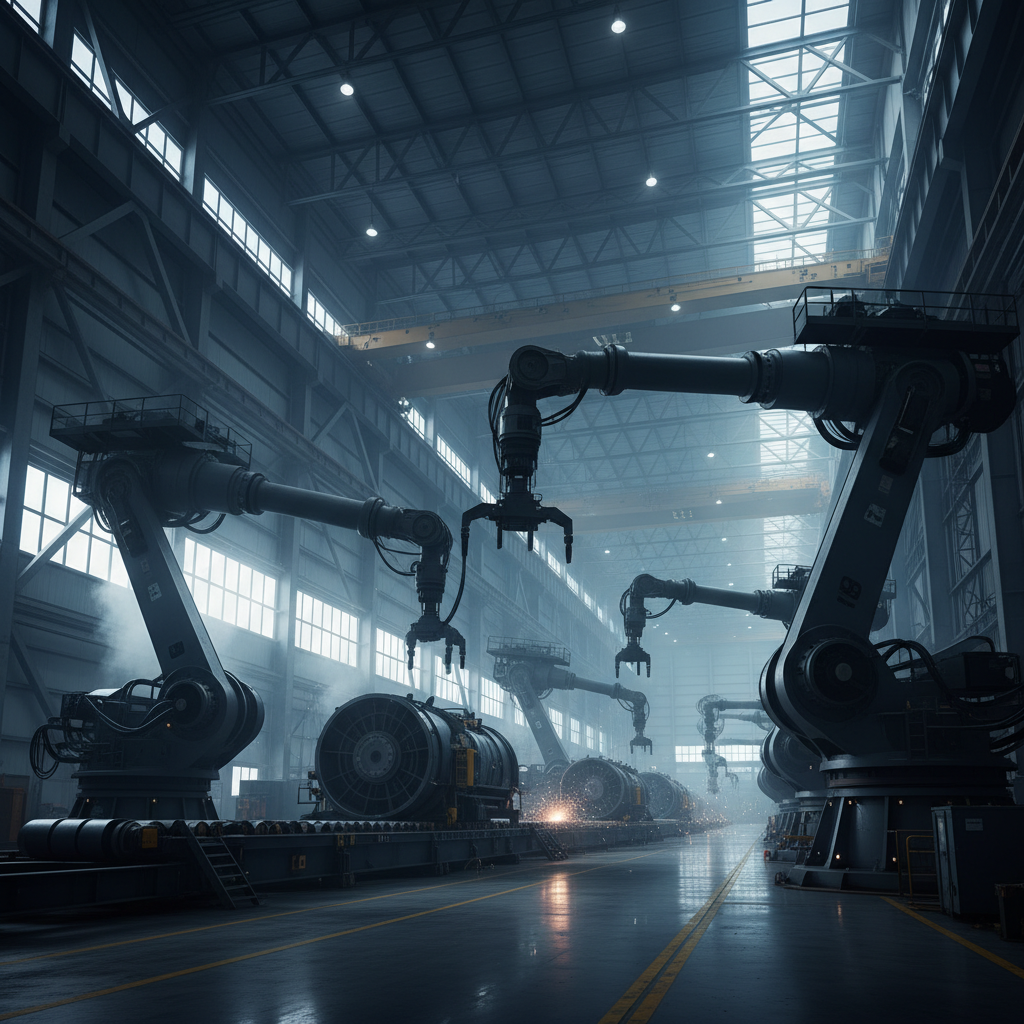
The importance of specialized industrial building manufacturers extends beyond mere construction. They are crucial in offering tailored solutions that meet the specific operational requirements of diverse industries. This includes everything from temperature-controlled environments for pharmaceutical production to high-security facilities for data centers and flexible layouts for advanced manufacturing. The growth of e-commerce and the demand for rapid delivery are further amplifying the need for strategically located and efficiently designed industrial spaces.
Understanding the capabilities and innovations within the realm of industrial building manufacturers is vital for businesses seeking to expand, optimize their operations, and remain competitive. This knowledge empowers informed decision-making regarding facility design, construction materials, and long-term sustainability, ultimately contributing to increased efficiency, reduced costs, and enhanced productivity. The field is rapidly evolving, with a growing focus on sustainability, automation, and prefabrication techniques.
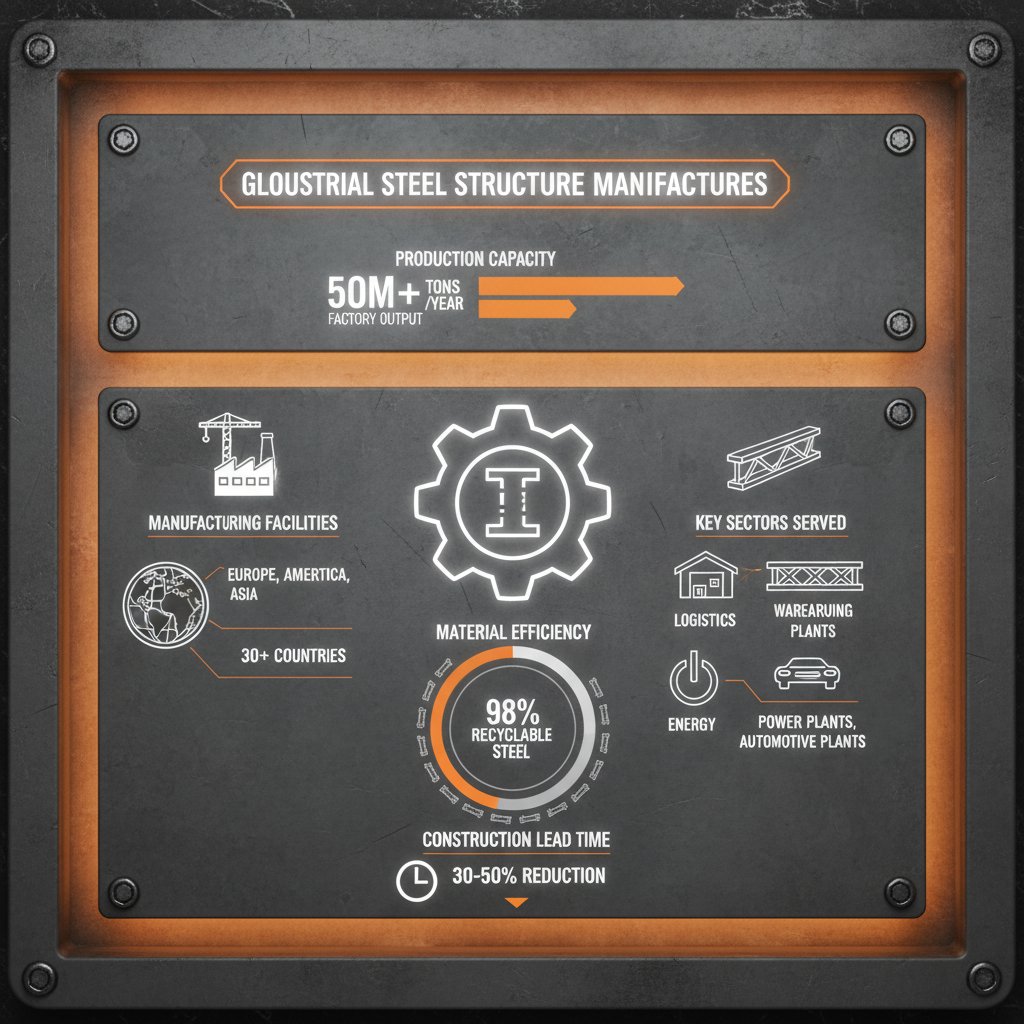
The global manufacturing sector, valued at over $14 trillion in 2023 (source: UNIDO), heavily relies on the specialized services of industrial building manufacturers. The World Bank estimates that infrastructure investment requires approximately $1 trillion annually to meet the needs of developing countries, with a significant portion allocated to industrial facilities. These manufacturers are at the forefront of providing the necessary spaces for production, distribution, and innovation, acting as vital enablers of economic growth.
A key challenge facing this sector is balancing the increasing demand for industrial space with the need for sustainable and environmentally responsible construction practices. Rising material costs, labor shortages, and complex regulatory environments also present significant hurdles. Addressing these challenges requires innovative building techniques, efficient supply chain management, and a commitment to sustainable development. industrial building manufacturers play a crucial role in overcoming these obstacles.
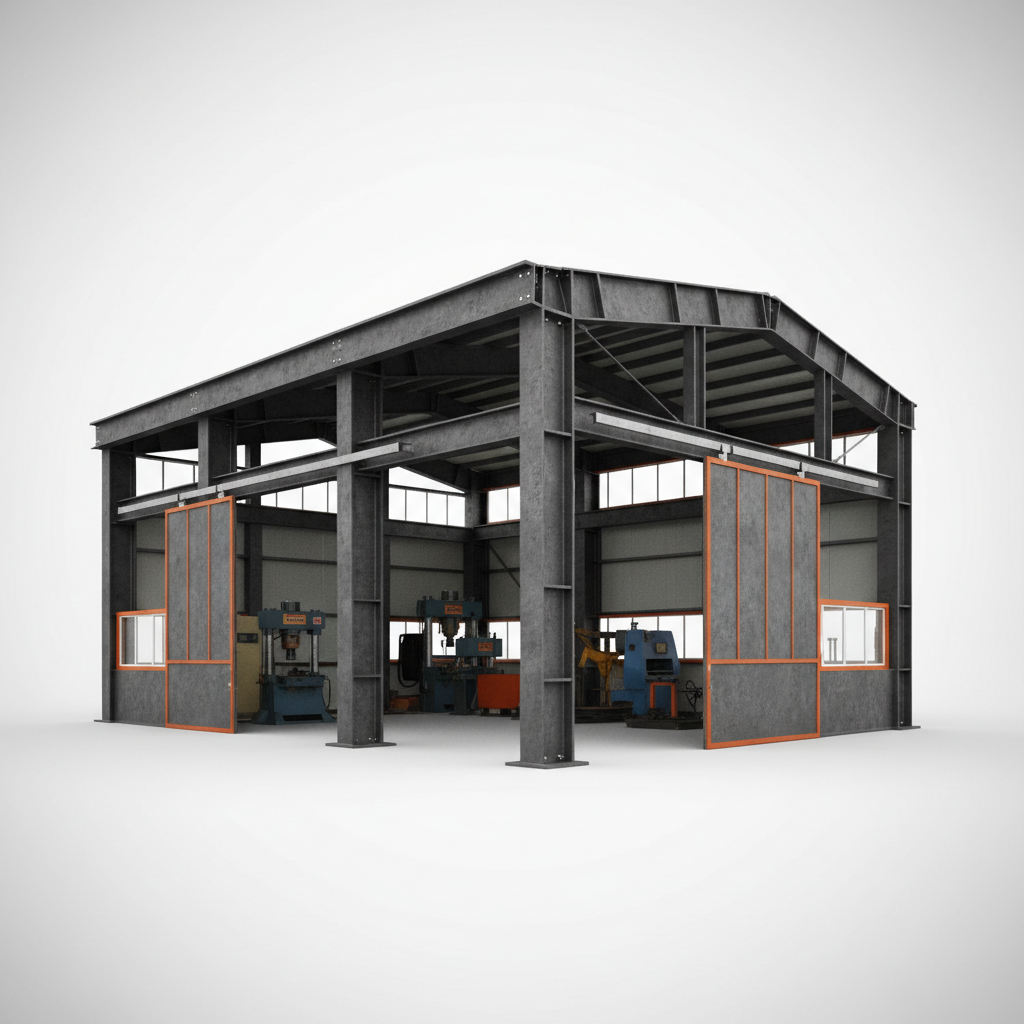
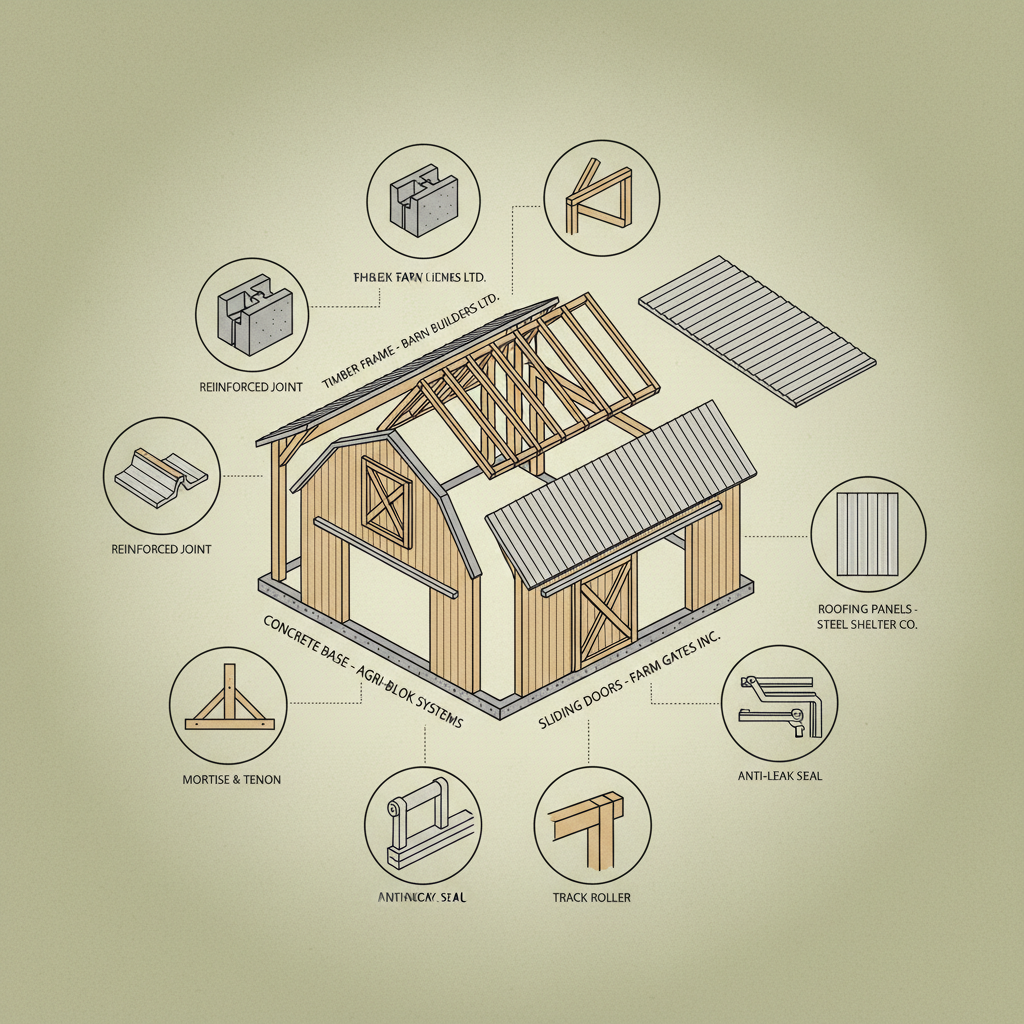
Prefabricated industrial buildings offer significant advantages, including reduced construction time, lower costs due to efficient manufacturing, and improved quality control. The controlled factory environment minimizes weather-related delays and allows for precise fabrication. They are also often more sustainable, generating less waste than traditional construction. This allows businesses to get operational faster and with greater certainty. Industrial building manufacturers specializing in prefabrication are leading this trend.
Structural integrity and safety are paramount. Industrial building manufacturers adhere to rigorous engineering standards and building codes, utilizing high-quality materials and employing qualified professionals. Detailed structural analysis is performed to ensure the building can withstand expected loads, including wind, snow, and seismic activity. Regular inspections and certifications further validate the safety and durability of the structures.
A wide range of customization options are typically available. Industrial building manufacturers can tailor designs to meet specific operational needs, including ceiling height, floor loading capacity, door sizes, and the integration of specialized equipment. They can also accommodate unique aesthetic requirements and incorporate sustainable design features. The level of customization depends on the manufacturer and the project scope.
With proper maintenance, a well-constructed industrial building can have a lifespan of 50 years or more. Regular inspections, timely repairs, and preventative maintenance are crucial for maximizing the building's longevity. The type of materials used, the quality of construction, and the environmental conditions all contribute to the building’s lifespan. Industrial building manufacturers often offer maintenance programs to help extend building life.
The construction method significantly impacts long-term costs. Steel buildings generally have lower upfront costs but may require more ongoing maintenance. Concrete offers excellent durability but can be more expensive to construct initially. Prefabrication often provides the best balance, with faster construction times, reduced labor costs, and lower maintenance requirements. A thorough life-cycle cost analysis should be conducted to determine the most cost-effective option.
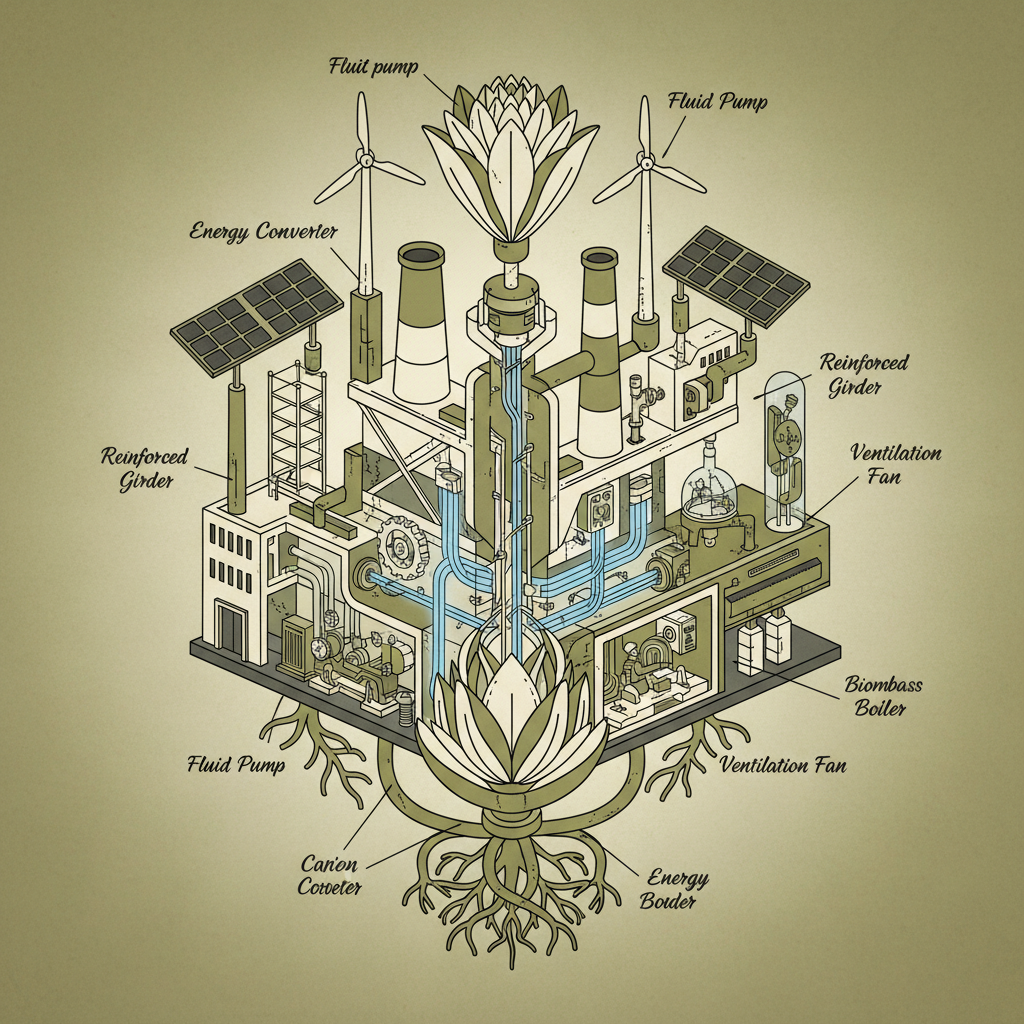
Current trends in sustainability include using recycled materials, implementing energy-efficient designs (e.g., solar panels, green roofs), utilizing water conservation systems, and reducing construction waste. LEED certification is becoming increasingly common, demonstrating a commitment to environmental responsibility. Industrial building manufacturers are incorporating these practices to meet growing demand for sustainable facilities.
In conclusion, industrial building manufacturers are essential partners in enabling economic growth, driving innovation, and building a more sustainable future. Their expertise in designing and constructing specialized facilities, coupled with their commitment to adopting cutting-edge technologies and sustainable practices, makes them indispensable to a wide range of industries. The emphasis on durability, scalability, and cost-efficiency ensures that these buildings provide long-term value for businesses and communities alike.
Looking ahead, continued innovation in materials, construction techniques, and digital technologies will further transform the landscape of industrial building manufacturing. Investing in skilled labor, embracing sustainable practices, and fostering collaboration between manufacturers, designers, and end-users will be crucial for meeting the evolving needs of the global economy. Visit our website at hongjishunda.com to learn more about how we can help you achieve your industrial building goals.