Industrial building suppliers play a critical role in the global economy, providing the essential structures that house manufacturing, logistics, and other vital industrial processes. From prefabricated warehouses to complex production facilities, these suppliers are instrumental in supporting economic growth and innovation worldwide. The demand for efficient and cost-effective industrial spaces is constantly increasing, driven by globalization and the need for streamlined supply chains. Understanding the capabilities and offerings of industrial building suppliers is crucial for businesses looking to expand or optimize their operations.
The significance of reliable industrial building suppliers extends beyond simply providing physical structures. They offer expertise in design, construction, and project management, ensuring that facilities meet specific operational needs and regulatory requirements. Furthermore, advancements in building materials and construction techniques are transforming the industry, leading to more sustainable, durable, and adaptable solutions. Choosing the right supplier impacts everything from project timelines and budgets to long-term operational efficiency and environmental impact.
In an increasingly competitive global landscape, the availability of robust and responsive industrial building suppliers is paramount. Their ability to deliver tailored solutions, manage complex projects, and adapt to evolving industry standards directly affects a company’s ability to thrive. This makes selecting a strategic partner in industrial construction a pivotal decision for any organization aiming for long-term success.
Introduction: Global or Industry Context
The global market for industrial buildings is substantial and continuously expanding, estimated at over $600 billion annually (according to a 2023 report by Global Market Insights). This growth is driven by factors such as increasing manufacturing output in emerging economies, the rise of e-commerce necessitating vast warehousing spaces, and the ongoing need for modernizing existing industrial infrastructure. Reliable industrial building suppliers are crucial for supporting this growth.
The United Nations Industrial Development Organization (UNIDO) emphasizes the importance of industrialization for sustainable development, and access to quality industrial facilities is a key enabler. However, challenges remain, including a shortage of skilled labor, supply chain disruptions, and the need for more sustainable construction practices. These challenges underscore the need for innovative solutions and strong partnerships between businesses and industrial building suppliers.
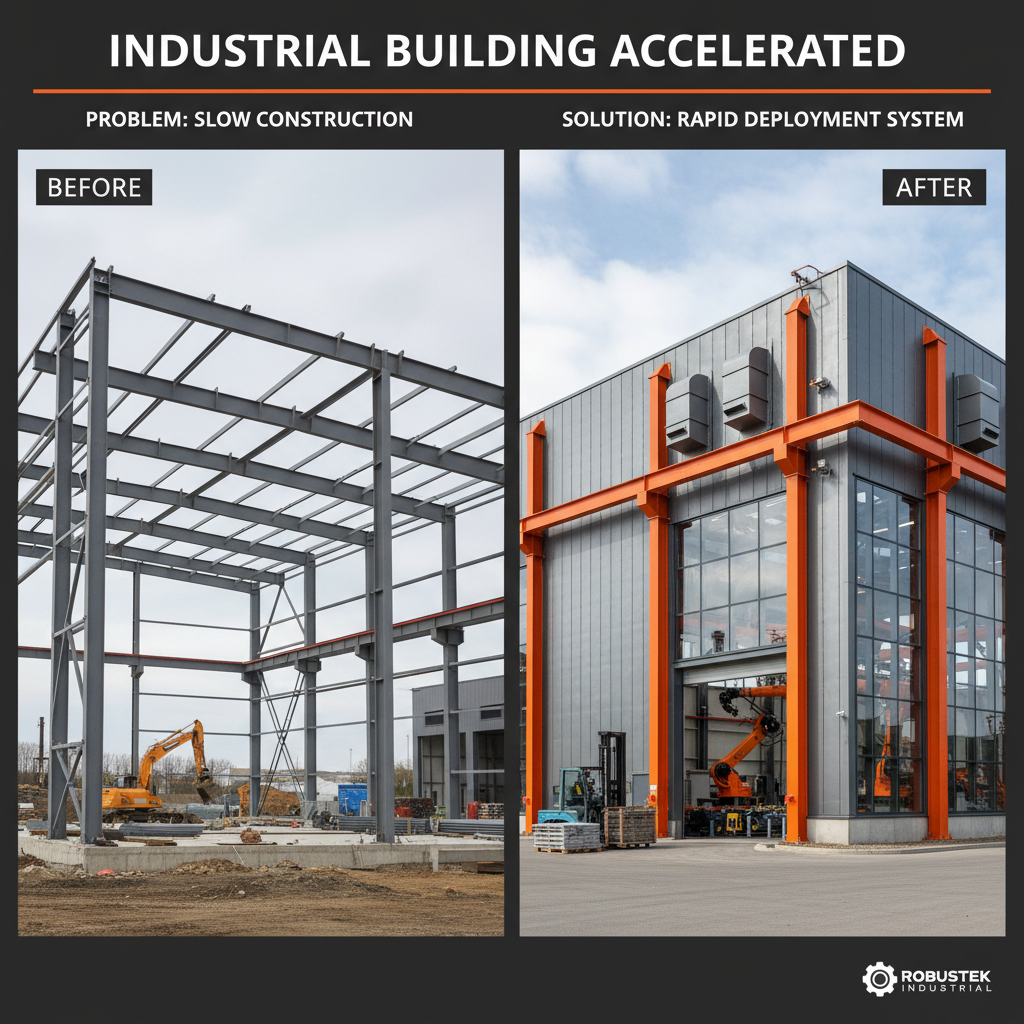
A significant problem currently facing many businesses is the long lead time and high costs associated with traditional industrial construction. This can delay projects, increase budgets, and hinder competitiveness. The demand for faster, more affordable, and environmentally friendly solutions is driving innovation within the industry and creating opportunities for specialized industrial building suppliers to offer value-added services.
Definition & Meaning
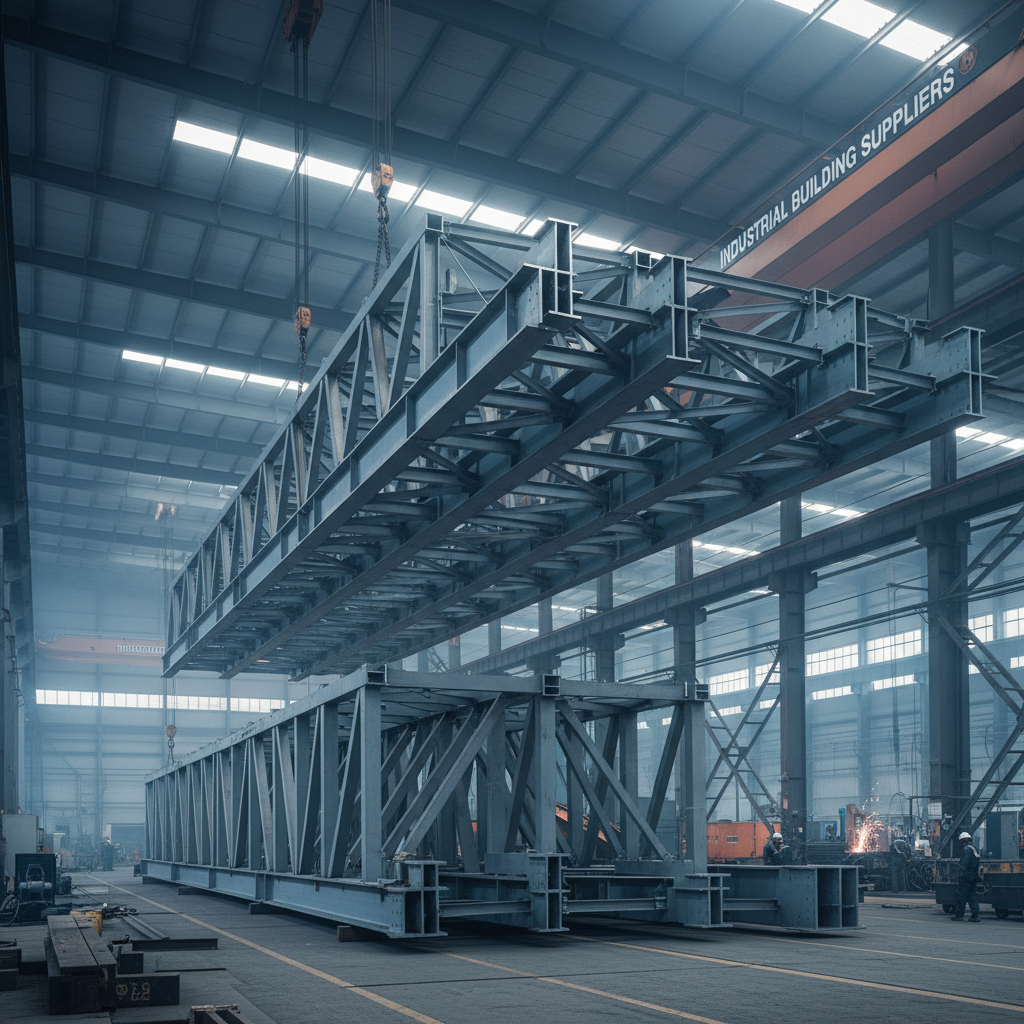
Industrial building suppliers are companies specializing in the design, fabrication, and construction of facilities used for industrial purposes. These structures can range from simple warehouses and distribution centers to complex manufacturing plants, processing facilities, and research and development labs. They often differ significantly from commercial buildings in terms of structural requirements, functionality, and safety standards.
Their role is inextricably linked to modern industry, providing the physical infrastructure necessary for production, storage, and distribution of goods. Without robust and well-designed industrial spaces, economies would struggle to function efficiently. These suppliers offer services extending beyond just construction, encompassing site selection, permitting, engineering, and project management.
In a humanitarian context, rapid deployment structures supplied by some industrial building suppliers can be crucial for establishing temporary hospitals, emergency shelters, and logistics hubs in disaster-stricken areas. These modular and prefabricated solutions provide a quick and effective way to address urgent needs and support relief efforts, demonstrating the broad applicability of this industry.
Key Factors or Core Components
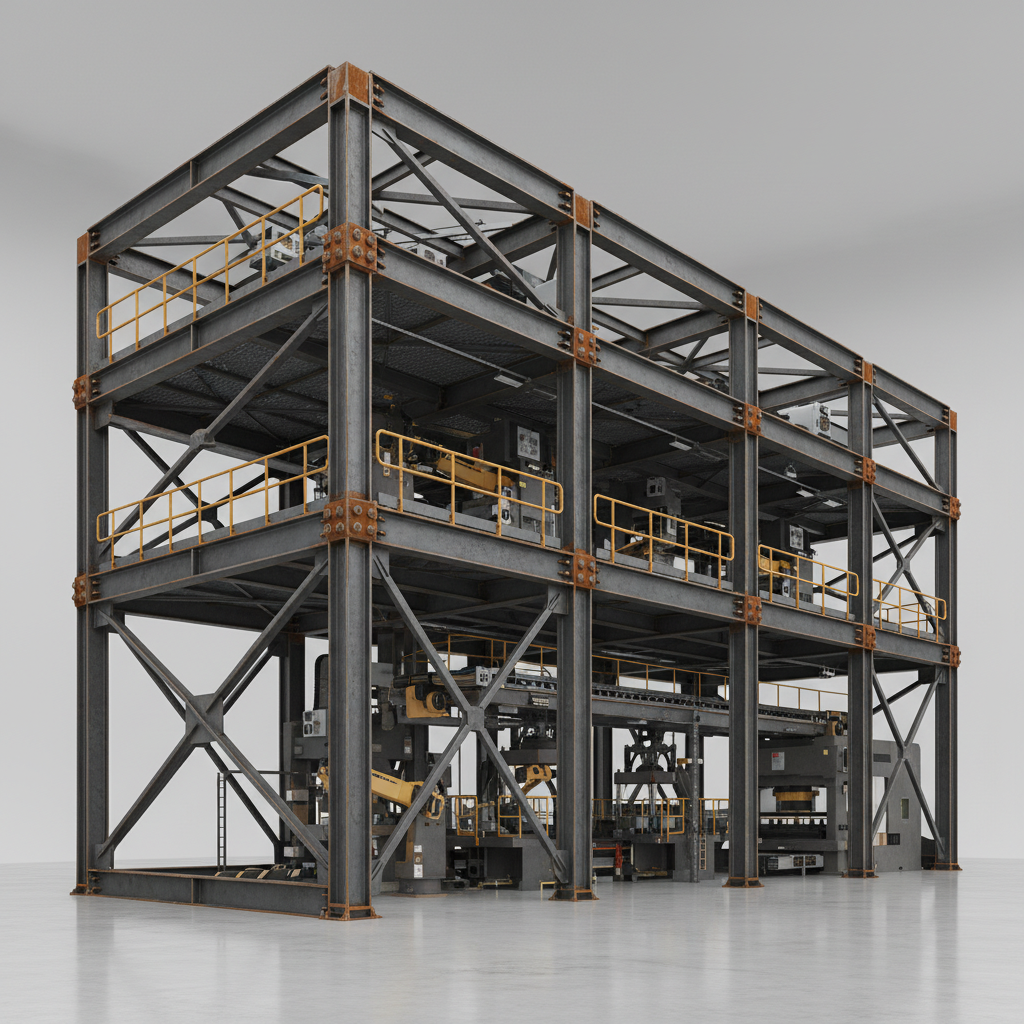
Durability: Industrial buildings are subject to heavy use and often house heavy machinery, requiring robust construction and materials capable of withstanding significant stress. Long-term durability minimizes maintenance costs and ensures the facility remains functional for decades. Selecting a supplier with experience in using high-quality, durable materials is essential.
Scalability: Businesses often need to expand their operations over time. Industrial buildings should be designed with scalability in mind, allowing for future expansion without significant disruption. This might involve modular designs, pre-planned expansion areas, or the ability to easily add additional stories. A knowledgeable industrial building supplier can advise on scalable design options.
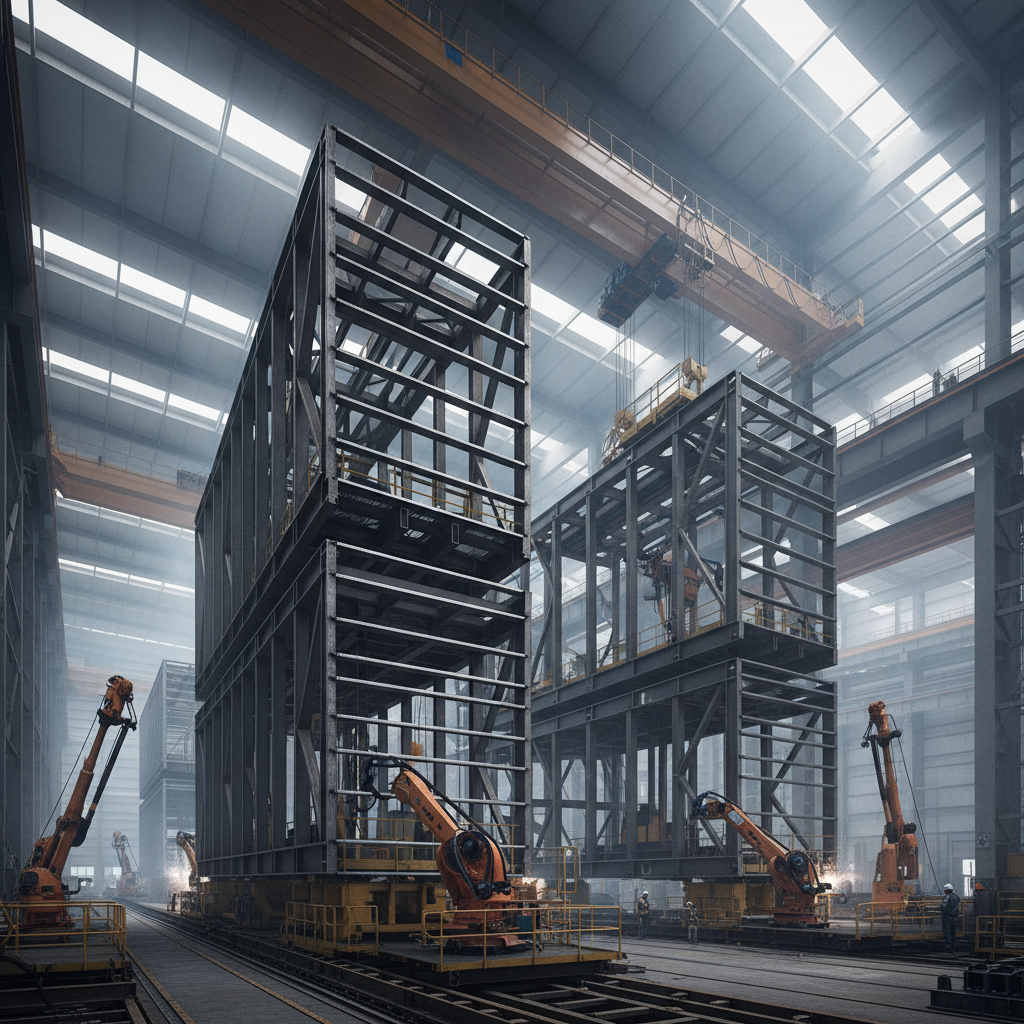
Cost Efficiency: Maintaining cost-effectiveness throughout the design and construction process is vital. This includes optimizing material usage, streamlining construction timelines, and minimizing waste. Prefabricated building components and efficient project management techniques can significantly reduce costs.
Global Applications & Use Cases
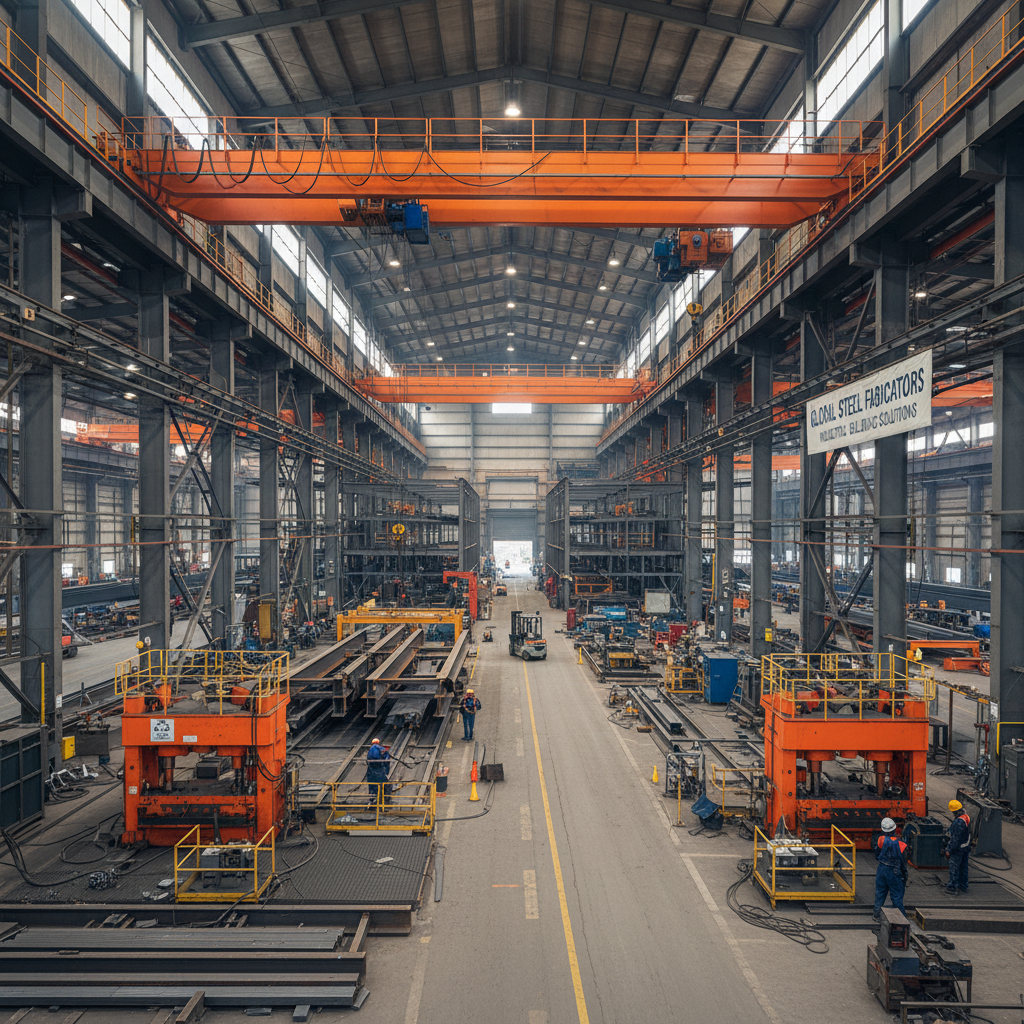
Industrial buildings are ubiquitous across the globe, supporting a wide range of industries. In manufacturing hubs like China and Germany, large-scale factories and production facilities are essential. In the United States, distribution centers and warehouses are critical for managing the logistics of e-commerce.
In post-disaster relief operations, prefabricated industrial buildings are quickly deployed as temporary hospitals, storage facilities, and command centers. Organizations like the Red Cross and FEMA frequently rely on these solutions. In remote industrial zones, such as mining operations in Australia or oil and gas facilities in the Middle East, prefabricated structures provide rapid and cost-effective accommodation and workspace.
The agricultural sector utilizes industrial buildings for food processing, storage, and packaging. From large-scale grain silos to refrigerated warehouses, these facilities are vital for maintaining the food supply chain. These facilities increasingly rely on specialized industrial building suppliers to meet stringent hygiene and safety requirements.
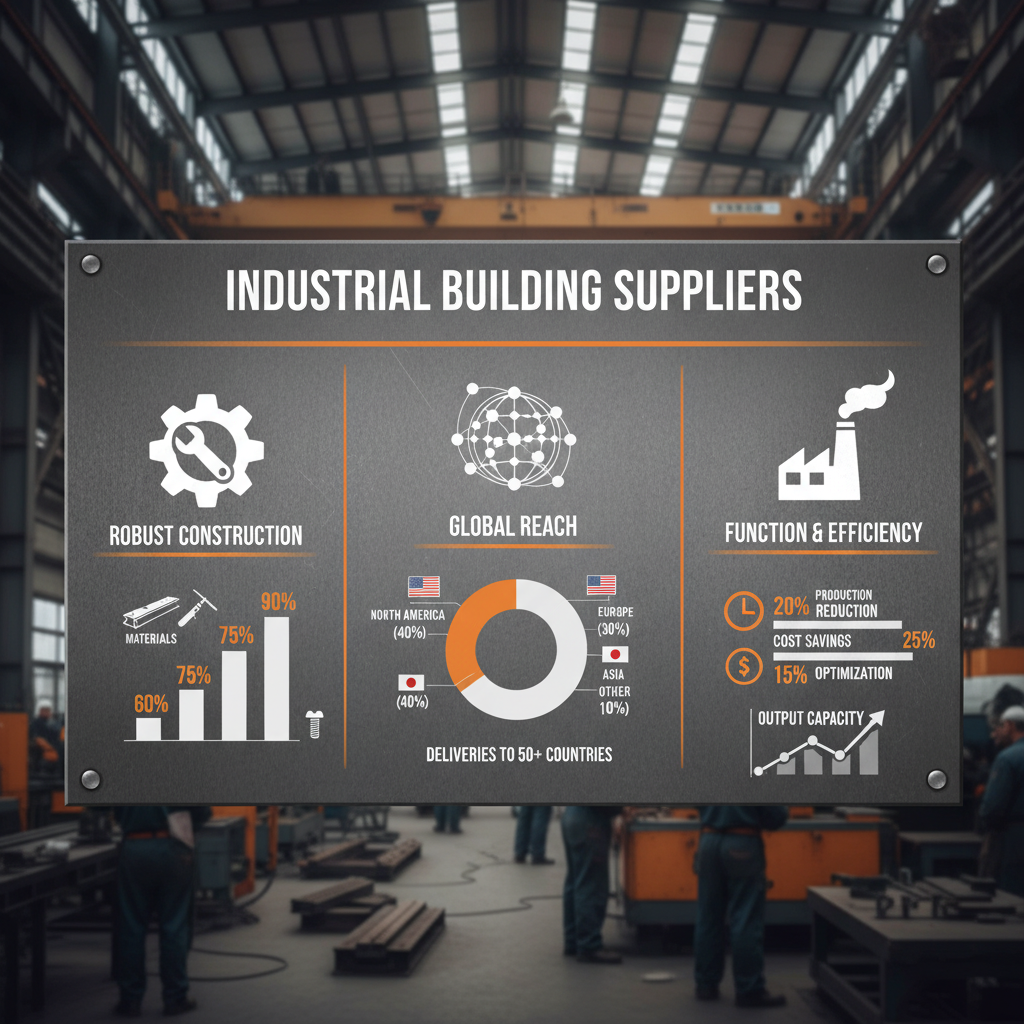
Industrial Building Supplier Performance Metrics
Advantages & Long-Term Value
The primary advantage of working with experienced industrial building suppliers lies in cost savings. Prefabrication and efficient project management reduce labor costs and minimize material waste. Furthermore, faster construction timelines translate to quicker return on investment.
Sustainability is increasingly a key benefit. Many suppliers now offer eco-friendly building materials and construction techniques that reduce the environmental impact of industrial facilities. This can lead to lower energy consumption, reduced carbon emissions, and improved corporate social responsibility.
Long-term value extends beyond financial and environmental benefits. A well-designed and constructed industrial building enhances worker safety, improves operational efficiency, and fosters a positive brand image. These factors contribute to increased productivity, reduced downtime, and enhanced customer satisfaction.
Future Trends & Innovations
The future of industrial building construction is poised for significant transformation. Automation and robotics are increasingly being integrated into manufacturing processes, leading to a demand for smarter, more adaptable facilities. Digital twins – virtual replicas of physical buildings – are enabling more efficient design, construction, and maintenance.
Green building technologies, such as solar panels, rainwater harvesting systems, and advanced insulation materials, are becoming increasingly prevalent. The focus on net-zero energy buildings and circular economy principles will drive innovation in materials science and construction techniques. Industrial building suppliers will need to adapt to these emerging trends.
Challenges & Solutions
One major challenge is the fluctuating cost of raw materials, such as steel and concrete. This can significantly impact project budgets and timelines. Mitigation strategies include establishing long-term supply agreements, exploring alternative materials, and implementing value engineering techniques.
Another challenge is the shortage of skilled labor in the construction industry. Investing in training programs, promoting STEM education, and embracing innovative construction methods (like modular construction) can help address this issue. Collaboration between industrial building suppliers and educational institutions is crucial.
Ensuring compliance with increasingly complex building codes and regulations also presents a challenge. Suppliers need to stay up-to-date on the latest requirements and invest in robust quality control processes. Utilizing Building Information Modeling (BIM) can facilitate compliance and improve coordination between stakeholders.
Analysis of Solutions Offered by Industrial Building Suppliers
| Solution Category |
Implementation Cost (1-10) |
Long-Term Impact (1-10) |
Supplier Expertise Level (1-10) |
| Prefabricated Construction |
7 |
9 |
8 |
| Building Information Modeling (BIM) |
6 |
8 |
9 |
| Sustainable Material Sourcing |
5 |
10 |
7 |
| Automated Construction Processes |
8 |
7 |
6 |
| Supply Chain Risk Management |
4 |
9 |
8 |
| Modular Design for Scalability |
6 |
8 |
7 |
FAQS
The lead time for a prefabricated industrial building can vary significantly depending on the complexity of the project and the supplier's current workload. However, generally, prefabricated buildings have a much faster turnaround than traditional construction, often completed within 6-12 months, compared to 18-24 months for conventional methods. This includes design, fabrication, and installation. Reputable industrial building suppliers will provide a detailed timeline during the initial consultation phase.
While the initial cost per square foot of modular construction can sometimes be slightly higher than traditional methods, the overall project cost is often lower. This is due to reduced labor costs, faster construction timelines, and minimized waste. Furthermore, modular buildings often require less site preparation and can be relocated if necessary. Choosing a specialized industrial building supplier can optimize cost savings.
Prefabricated industrial structures must adhere to the same building codes and regulations as conventionally constructed buildings. These codes vary depending on the location, but typically include requirements for structural integrity, fire safety, accessibility, and energy efficiency. Experienced industrial building suppliers will ensure their designs and construction methods meet all applicable codes and obtain the necessary permits.
Yes, absolutely. Prefabricated industrial buildings can be highly customized to meet specific operational requirements. This includes variations in size, layout, materials, and finishes. Industrial building suppliers work closely with clients to understand their needs and develop tailored solutions. Customization options range from simple modifications to complete bespoke designs.
With proper maintenance, a prefabricated industrial building can have a lifespan comparable to that of a conventionally constructed building – often 50 years or more. The durability of the materials used, the quality of construction, and the climate conditions all influence longevity. Regular inspections and maintenance, such as roof repairs and corrosion prevention, are essential for maximizing lifespan.
Prefabricated construction offers numerous sustainability benefits. It generates significantly less waste compared to traditional methods, as materials are precisely cut and assembled in a controlled factory environment. It also allows for the use of more sustainable materials, reduces transportation costs, and minimizes disruption to the surrounding environment. Industrial building suppliers increasingly offer eco-friendly building solutions.
Conclusion
In conclusion, industrial building suppliers are essential partners for businesses seeking efficient, cost-effective, and sustainable infrastructure solutions. From providing durable and scalable facilities to embracing innovative technologies like modular construction and BIM, they play a critical role in supporting economic growth and industrial development. Prioritizing factors such as material quality, project management expertise, and sustainability practices is paramount when selecting a supplier.
Looking ahead, the demand for adaptable and resilient industrial spaces will only continue to grow. By embracing innovation and collaborating closely with industrial building suppliers, businesses can position themselves for success in an increasingly competitive global marketplace. We encourage you to explore the possibilities of prefabricated and modular construction to unlock new levels of efficiency and sustainability.