Industrial building pdf solutions are rapidly gaining prominence globally due to their efficiency and adaptability in meeting diverse infrastructure needs. From disaster relief to rapid industrial expansion, the ability to quickly deploy robust, pre-fabricated structures is invaluable. This approach offers a compelling alternative to traditional construction methods, addressing challenges related to time, cost, and sustainability. The growing demand for these solutions underscores their crucial role in modern development and humanitarian aid efforts.
The significance of industrial building pdf extends beyond mere construction speed. It facilitates standardized designs, quality control, and ease of transportation, significantly reducing on-site labor and waste. This is particularly vital in remote locations or regions with limited access to skilled labor. As the world faces increasing urbanization and environmental concerns, the efficient and environmentally conscious nature of industrial building pdf positions it as a key component of sustainable infrastructure development.
Understanding the intricacies of industrial building pdf—from material science and structural engineering to logistical considerations and regulatory compliance—is essential for professionals across various sectors, including construction, disaster management, and urban planning. The benefits are multifaceted, encompassing economic viability, environmental responsibility, and societal well-being.
The Global Significance of industrial building pdf
The global construction industry is a massive undertaking, contributing significantly to economic growth but also carrying a substantial environmental footprint. According to the United Nations, over half the world’s population lives in urban areas, a figure projected to rise to 68% by 2050. This rapid urbanization necessitates innovative and efficient construction solutions, and industrial building pdf provides a viable path toward sustainable development. The World Bank estimates a significant infrastructure gap in developing countries, further highlighting the need for cost-effective and rapidly deployable building solutions.
The challenges associated with traditional construction – lengthy timelines, high labor costs, material waste, and environmental impact – are driving the adoption of alternative approaches like industrial building pdf. This methodology enables faster project completion, reduced on-site disruption, and improved quality control. ISO standards are increasingly incorporating guidelines for modular and prefabricated construction, demonstrating a growing recognition of its benefits within the industry.
Defining industrial building pdf
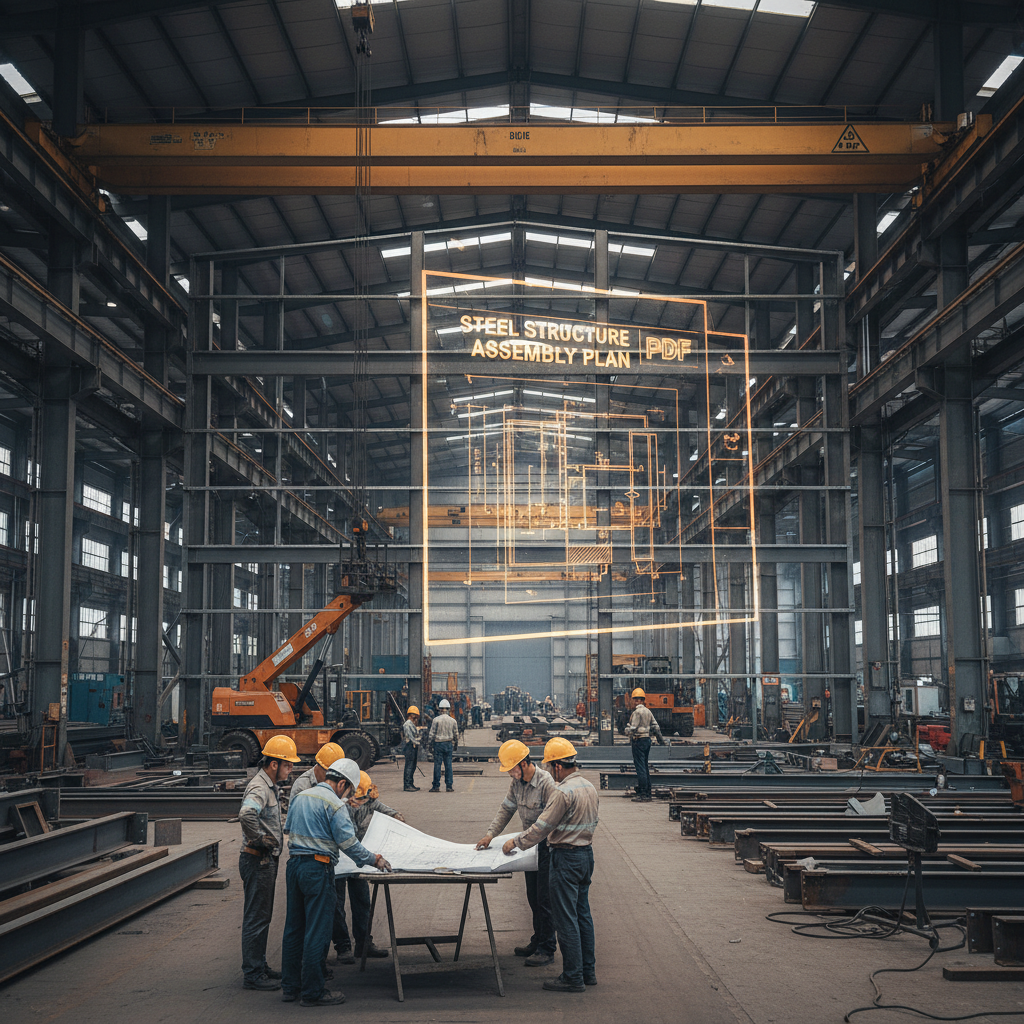
At its core, industrial building pdf refers to the process of constructing buildings using prefabricated modules or components manufactured in a factory setting and then assembled on-site. These modules can range from entire room units to structural elements like walls, floors, and roofs. The "pdf" aspect highlights the detailed plans and documentation essential for precise fabrication and assembly, often utilizing digital modeling and Building Information Modeling (BIM) technologies.
This approach fundamentally differs from traditional construction, where most building work occurs on-site. Industrial building pdf streamlines the construction process, reducing reliance on weather-dependent activities and minimizing on-site waste. It’s a versatile solution applicable to a wide range of building types, from residential housing and commercial offices to healthcare facilities and educational institutions.
The connection to modern industry lies in its inherent efficiency and scalability. It embodies principles of mass production and lean manufacturing, similar to those utilized in other industrial sectors. For humanitarian needs, it offers a rapid and reliable means of providing shelter and essential infrastructure in disaster-stricken areas or refugee camps.
Key Components of Effective industrial building pdf
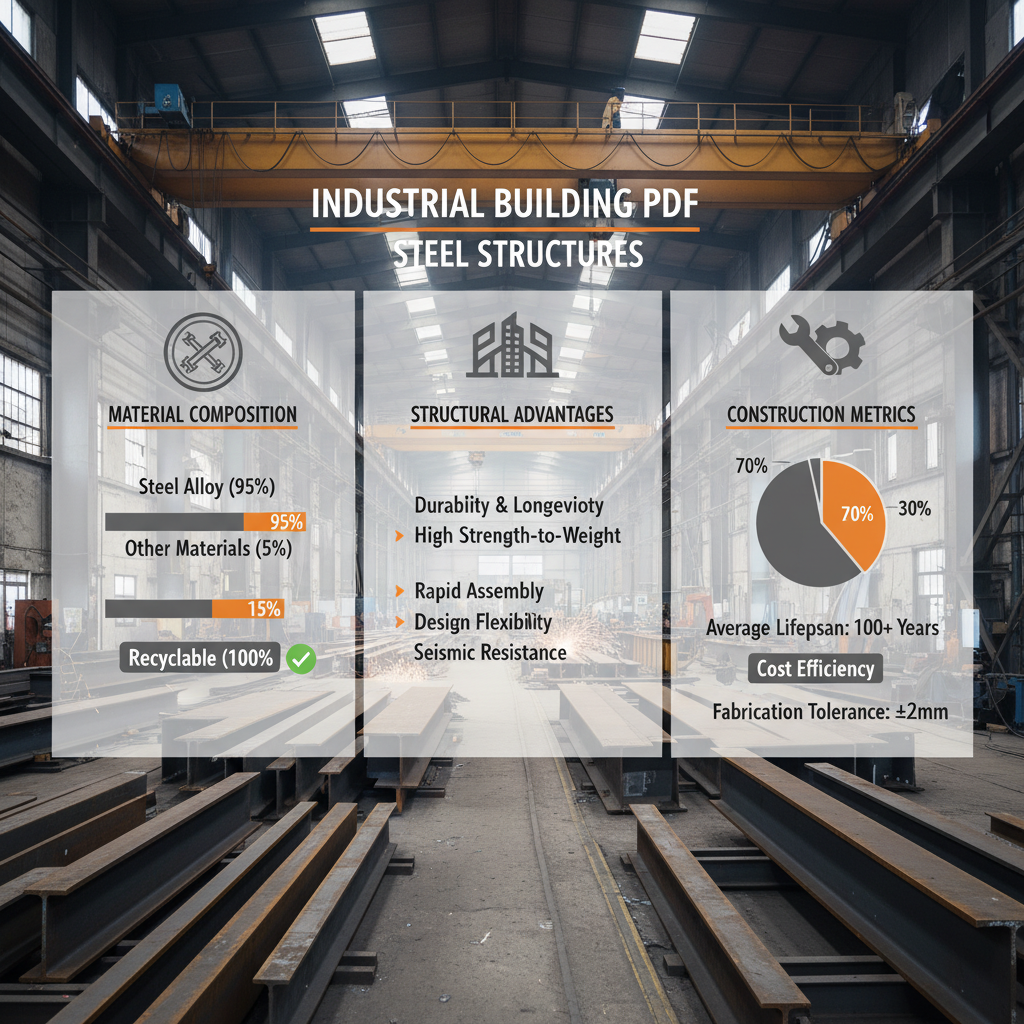
Durability is paramount in industrial building pdf. Modules must be designed and constructed to withstand the rigors of transportation, installation, and long-term use, often exceeding the standards of traditional construction. High-quality materials, robust structural connections, and rigorous testing are crucial for ensuring longevity and minimizing maintenance requirements.
Scalability allows for flexible adaptation to evolving needs. The modular nature of industrial building pdf enables easy expansion or modification of structures, making it ideal for growing businesses or changing family requirements. The ability to add or reconfigure modules quickly and efficiently is a significant advantage over traditional construction.
Cost efficiency is a major driver of industrial building pdf adoption. While initial material costs may be comparable to traditional construction, the reduced labor costs, shorter project timelines, and minimized waste contribute to overall savings. The predictability of costs associated with prefabricated components also helps with budgeting and financial planning.
Core Attributes of industrial building pdf
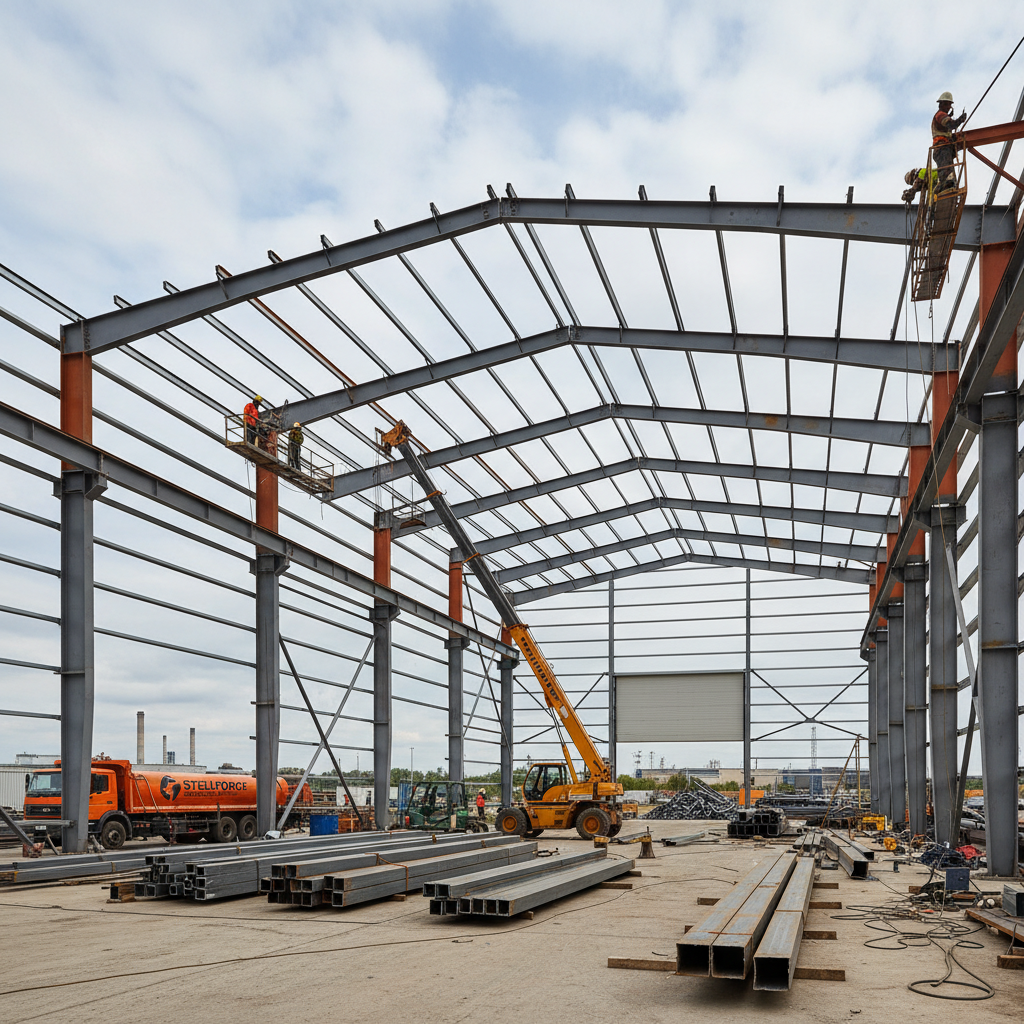
The speed of construction offered by industrial building pdf is a compelling benefit. Because much of the work is completed in a controlled factory environment, projects can be completed significantly faster than with traditional methods. This is especially critical in time-sensitive situations, such as disaster relief or urgent infrastructure needs.
Sustainability is increasingly important. Industrial building pdf often utilizes more sustainable materials and generates less waste compared to traditional construction. The controlled factory environment allows for better waste management and recycling practices. Moreover, the reduced on-site disruption minimizes environmental impact.
Performance Metrics for industrial building pdf Methods
Worldwide Applications of industrial building pdf
In post-disaster relief operations, industrial building pdf provides a swift and effective solution for providing temporary or permanent shelter to displaced populations. The rapid deployment capabilities minimize suffering and facilitate quicker recovery efforts. In remote industrial zones, where access to skilled labor and materials is limited, industrial building pdf offers a cost-effective and efficient way to establish essential infrastructure.
Across Europe, particularly in countries like the Netherlands and Germany, industrial building pdf is increasingly utilized for residential housing, driven by a need for affordable and sustainable homes. In North America, it's gaining traction in the construction of commercial buildings, hotels, and student housing. Furthermore, within the resource extraction industry in regions such as Australia and Canada, industrial building pdf is favored for constructing worker accommodation and site offices.
Advantages and Long-Term Value
The economic advantages of industrial building pdf are substantial. Reduced labor costs, faster project completion times, and minimized waste translate into significant savings for developers and clients. Furthermore, the predictability of costs associated with prefabricated components allows for more accurate budgeting and financial planning.
From a sustainability perspective, industrial building pdf minimizes environmental impact through reduced waste, efficient material usage, and lower carbon emissions. Socially, it offers safer working conditions for construction workers due to the controlled factory environment. The provision of high-quality, rapidly deployable housing and infrastructure contributes to improved living standards and community resilience.
Ultimately, industrial building pdf builds trust through reliable delivery, consistent quality, and adherence to stringent standards. Its innovative approach to construction fosters a sense of progress and efficiency, paving the way for a more sustainable and resilient built environment.
Future Trends and Innovations
The integration of green energy technologies into industrial building pdf is a key future trend. This includes incorporating solar panels, rainwater harvesting systems, and energy-efficient insulation into prefabricated modules. Digital transformation, facilitated by BIM and advanced manufacturing techniques, will further optimize the design, fabrication, and assembly processes.
Automation and robotics are poised to play a larger role in the production of prefabricated components, increasing efficiency and reducing labor costs. The development of new, sustainable materials—such as cross-laminated timber (CLT) and recycled plastics—will enhance the environmental performance of industrial building pdf solutions. Policy changes and incentives promoting modular and prefabricated construction will also accelerate its adoption.
The evolution of industrial building pdf is closely linked to the broader goals of sustainable development, climate change mitigation, and affordable housing. Its continued innovation and widespread implementation will be crucial in addressing these global challenges.
Key Challenges and Solutions in Implementing industrial building pdf
| Challenge Area |
Potential Impact |
Proposed Solution |
Implementation Cost (Scale 1-10) |
| Transportation Logistics |
Increased project costs, potential damage to modules |
Optimized transport routes, specialized carriers, secure packaging |
6 |
| Regulatory Hurdles |
Project delays, increased compliance costs |
Advocacy for standardized building codes, collaboration with regulatory bodies |
7 |
| Site Preparation Complexity |
Delays in module installation, foundation issues |
Detailed site surveys, precise foundation design, pre-installation checks |
5 |
| Initial Investment Costs |
Barriers to entry for smaller companies |
Government subsidies, financing options, collaborative ventures |
8 |
| Perception of Quality |
Resistance from potential buyers or clients |
Showcase successful projects, emphasize quality control measures, provide warranties |
4 |
| Design Limitations |
Reduced architectural flexibility |
Investment in advanced design software, modular design principles, customization options |
6 |
FAQS
Industrial building pdf offers several key advantages including faster construction timelines, reduced labor costs, improved quality control, and minimized waste. Because a significant portion of the construction process occurs in a controlled factory setting, projects are less susceptible to weather delays and material shortages. This results in more predictable project delivery and reduced overall costs. Ultimately, industrial building pdf provides a more efficient and sustainable building solution.
Industrial building pdf generally has a lower environmental footprint than traditional construction. The controlled factory environment allows for better waste management and recycling practices, reducing landfill waste. Prefabrication also minimizes on-site disruption and reduces the need for extensive site clearing. Furthermore, the use of sustainable materials, such as CLT and recycled plastics, can further enhance the environmental performance of these projects. The efficient use of resources also translates into reduced carbon emissions.
While industrial building pdf is incredibly versatile, it’s not necessarily ideal for every project. It excels in projects with repetitive designs and standardized components, such as residential housing, hotels, and office buildings. Complex architectural designs or highly customized projects may present challenges. However, advancements in design software and modular construction techniques are continually expanding the range of project types suitable for this approach.
While initial material costs may be comparable to traditional construction, the overall cost of industrial building pdf projects is often lower due to reduced labor costs, shorter construction timelines, and minimized waste. However, transportation costs and the need for specialized equipment can add to the expense. A thorough cost-benefit analysis is crucial to determine the economic viability of industrial building pdf for a specific project. Precise planning and optimized logistics are key to maximizing cost savings.
Quality control is a cornerstone of industrial building pdf. The factory environment allows for rigorous inspection and testing of components at every stage of the manufacturing process. Adherence to ISO standards and building codes is paramount. Furthermore, dimensional accuracy and material consistency are significantly improved through automated manufacturing processes. This results in higher-quality buildings with fewer defects.
The lifespan of a building constructed using industrial building pdf is comparable to, and often exceeds, that of traditionally built structures. High-quality materials, robust structural connections, and proper maintenance contribute to long-term durability. With appropriate care and regular inspections, these buildings can last for decades, offering a sustainable and reliable infrastructure solution. Proper design and material selection tailored to the local climate are also critical for maximizing longevity.
Conclusion
In conclusion, industrial building pdf represents a paradigm shift in the construction industry, offering a compelling blend of efficiency, sustainability, and cost-effectiveness. From accelerating disaster relief efforts to addressing the growing demand for affordable housing and sustainable infrastructure, its versatility and adaptability are undeniable. The core benefits – reduced timelines, minimized waste, and enhanced quality control – position it as a crucial component of future development strategies.
Looking ahead, continued innovation in materials, automation, and design will further expand the capabilities and applications of industrial building pdf. Embracing this approach requires a collaborative effort between industry professionals, policymakers, and researchers to overcome existing challenges and unlock its full potential. Visit our website at industrial building pdf to learn more about how we can help you implement this transformative technology.