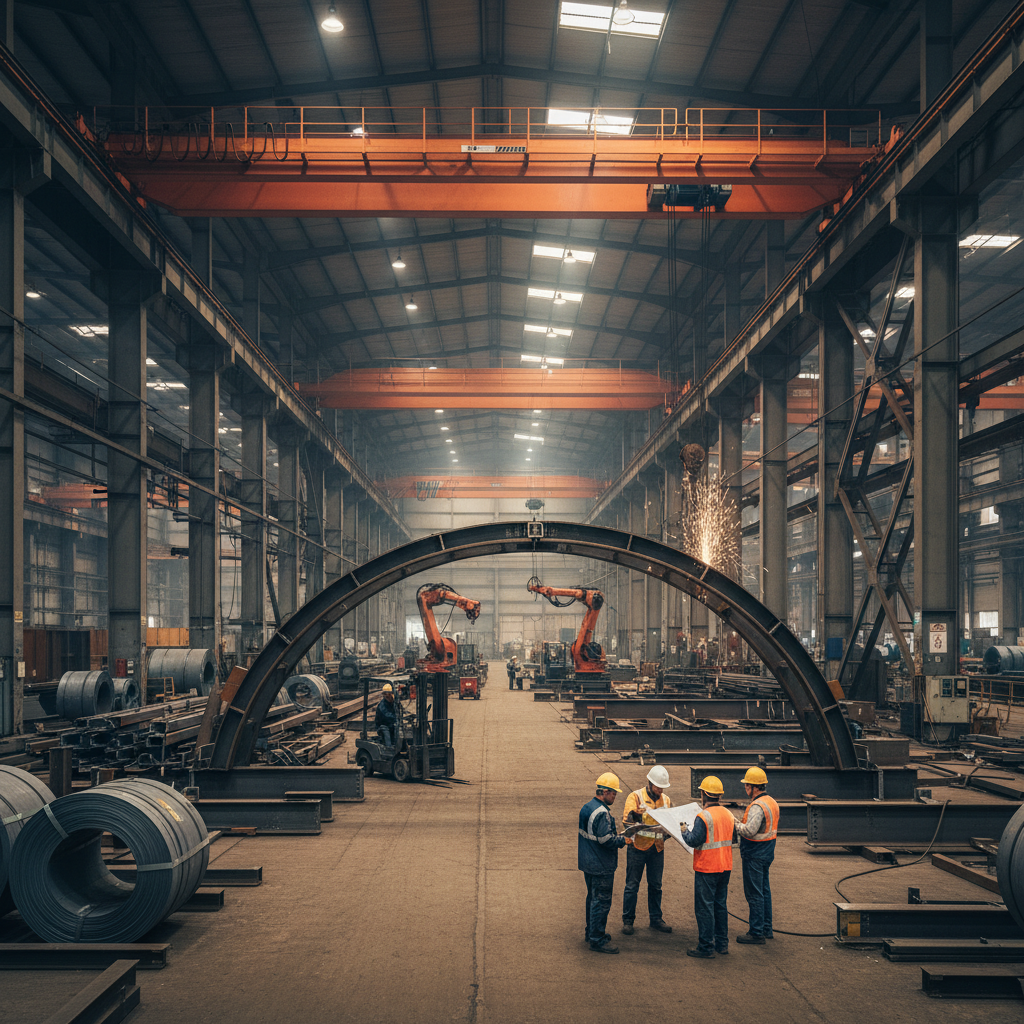
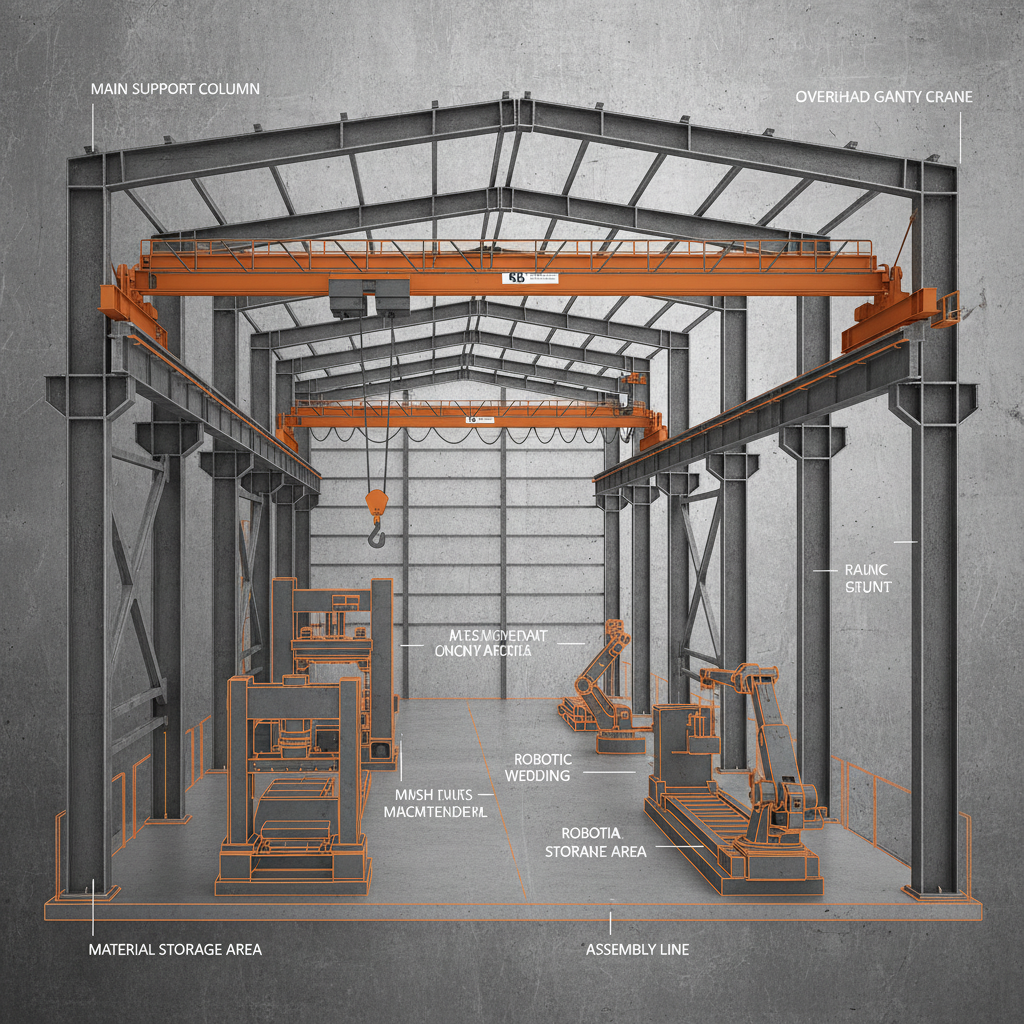
Industrial building manufacturer plays a crucial role in modern infrastructure development globally. From facilitating rapid industrial growth in emerging economies to providing robust structures for critical industries, the demand for efficient and reliable industrial buildings is continuously increasing. Understanding the nuances of this field – from design and materials to construction techniques and sustainable practices – is essential for businesses, governments, and communities alike. The benefits extend beyond simple shelter, encompassing economic opportunity, safety, and long-term sustainability.
The global industrial sector is experiencing significant expansion, particularly in Asia-Pacific and developing regions. According to the United Nations Industrial Development Organization (UNIDO), manufacturing contributes a substantial portion to global GDP, driving innovation and job creation. This growth necessitates a parallel expansion in industrial infrastructure. However, traditional construction methods often struggle to meet the demands for speed, cost-effectiveness, and adaptability. This is where specialized industrial building manufacturers become indispensable, offering solutions that address these challenges.
The importance of selecting a qualified industrial building manufacturer cannot be overstated. These companies provide not just structures, but complete solutions encompassing design, engineering, fabrication, and installation. A reliable partner ensures projects are delivered on time, within budget, and to the highest quality standards, ultimately contributing to the success of industrial endeavors worldwide. Investing in robust industrial buildings ensures operational continuity, employee safety, and long-term economic viability.
Introduction: The Role of industrial building manufacturer
The demand for specialized industrial building manufacturer is experiencing a surge globally, driven by factors like increased manufacturing output, the need for supply chain resilience, and a growing emphasis on sustainable construction. Companies specializing in this sector offer tailored solutions that go beyond conventional building approaches, providing optimized spaces for complex industrial processes.
A competent industrial building manufacturer doesn’t simply construct a building; they offer a comprehensive service. This includes understanding specific operational requirements, adhering to strict safety regulations, incorporating advanced technologies, and ensuring long-term durability. This holistic approach translates into significant benefits for industrial clients, reducing downtime, increasing efficiency, and fostering a safe working environment.
Defining industrial building manufacturer
An industrial building manufacturer is a company specializing in the design, fabrication, and installation of structures specifically tailored for industrial applications. This differentiates them from general construction companies, as they possess a deep understanding of the unique requirements of manufacturing, warehousing, logistics, and other industrial processes. They often work with specialized materials and construction techniques to meet stringent performance criteria.
These manufacturers aren’t limited to simply erecting buildings. They often offer a complete suite of services, including site preparation, foundation work, utility connections, and interior build-outs. The connection to modern industry is direct; efficient industrial spaces are the backbone of production, innovation, and economic growth. They directly support humanitarian needs too, providing facilities for disaster relief staging, emergency response centers, and temporary housing solutions.
Essentially, an industrial building manufacturer provides the physical infrastructure that enables industries to operate effectively and efficiently. Their expertise extends to optimizing space utilization, ensuring safety compliance, and minimizing operational costs.
Core Components of industrial building manufacturer
Durability is paramount in industrial building manufacturer. These structures are often subject to heavy loads, constant use, and potentially harsh environmental conditions. Therefore, robust materials like steel, concrete, and specialized cladding systems are employed to ensure longevity and minimize maintenance requirements. The ability to withstand the test of time is a key indicator of a quality industrial building.
Scalability is another critical factor. Industrial operations frequently evolve, requiring expansions or modifications to existing facilities. A good industrial building manufacturer will design structures that can be easily adapted or expanded to accommodate future growth. Modular construction techniques, in particular, offer excellent scalability options.
Cost efficiency is a major consideration for industrial clients. Industrial building manufacturers strive to optimize designs, streamline construction processes, and leverage cost-effective materials without compromising quality. This translates into lower upfront costs, reduced operational expenses, and a faster return on investment.
Energy efficiency is increasingly important, with manufacturers incorporating sustainable design principles, insulation, and renewable energy systems to reduce environmental impact and lower utility bills. Furthermore, safety features and adherence to stringent building codes are non-negotiable, ensuring a secure working environment for all personnel.
Applications Across Industries
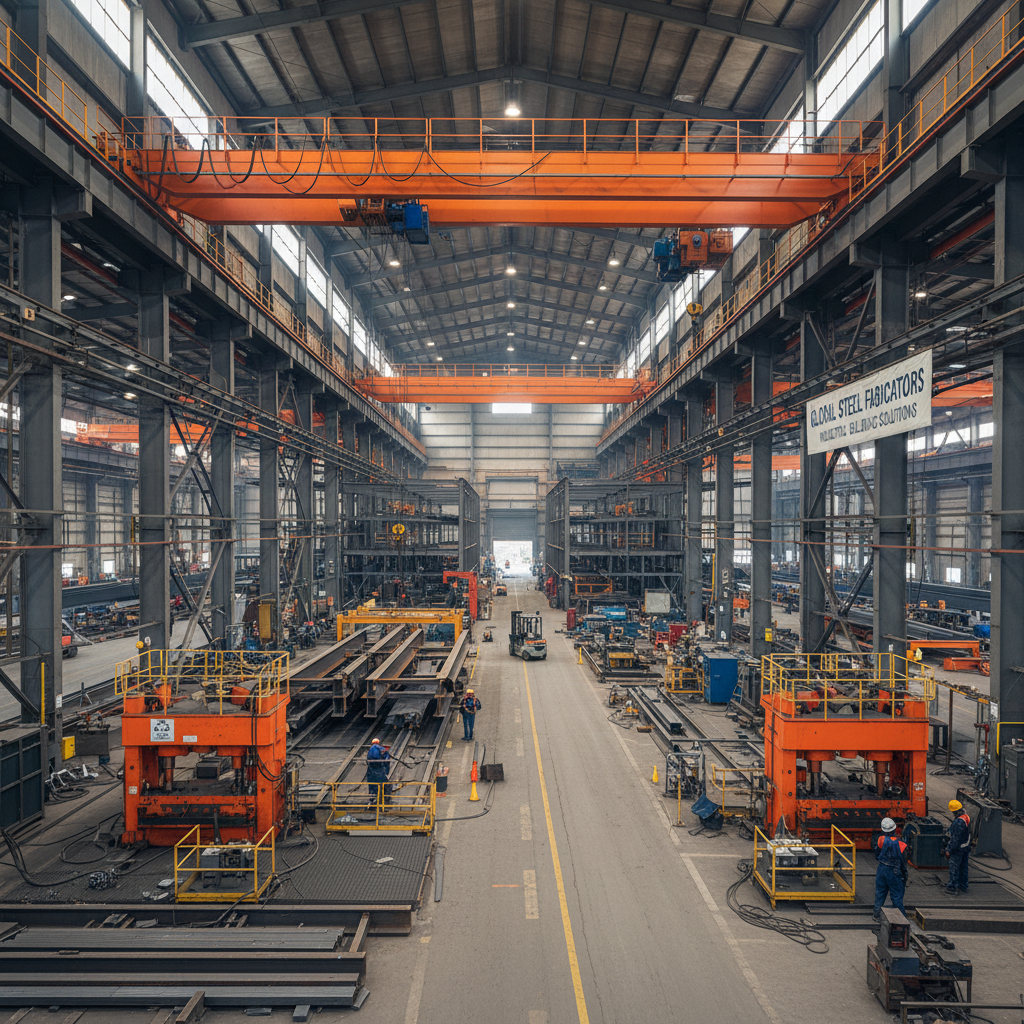
Industrial building manufacturer solutions are utilized across a remarkably diverse range of industries. The automotive sector relies on large, open-span facilities for assembly lines and manufacturing processes. The food and beverage industry requires hygienic and temperature-controlled environments for processing and storage.
Warehousing and logistics depend on high-bay storage facilities with efficient loading docks and automated material handling systems. Pharmaceutical companies need cleanroom environments and specialized laboratories. In post-disaster relief operations, industrial building manufacturers provide rapidly deployable shelters and logistical hubs. In remote industrial zones, like mining operations or oil fields, they construct durable and self-sufficient facilities.
The aerospace industry needs high-precision manufacturing spaces and testing facilities. Even renewable energy projects, such as solar panel and wind turbine manufacturing, require specialized industrial buildings. The common thread is the need for facilities tailored to specific operational requirements and built to withstand demanding conditions.
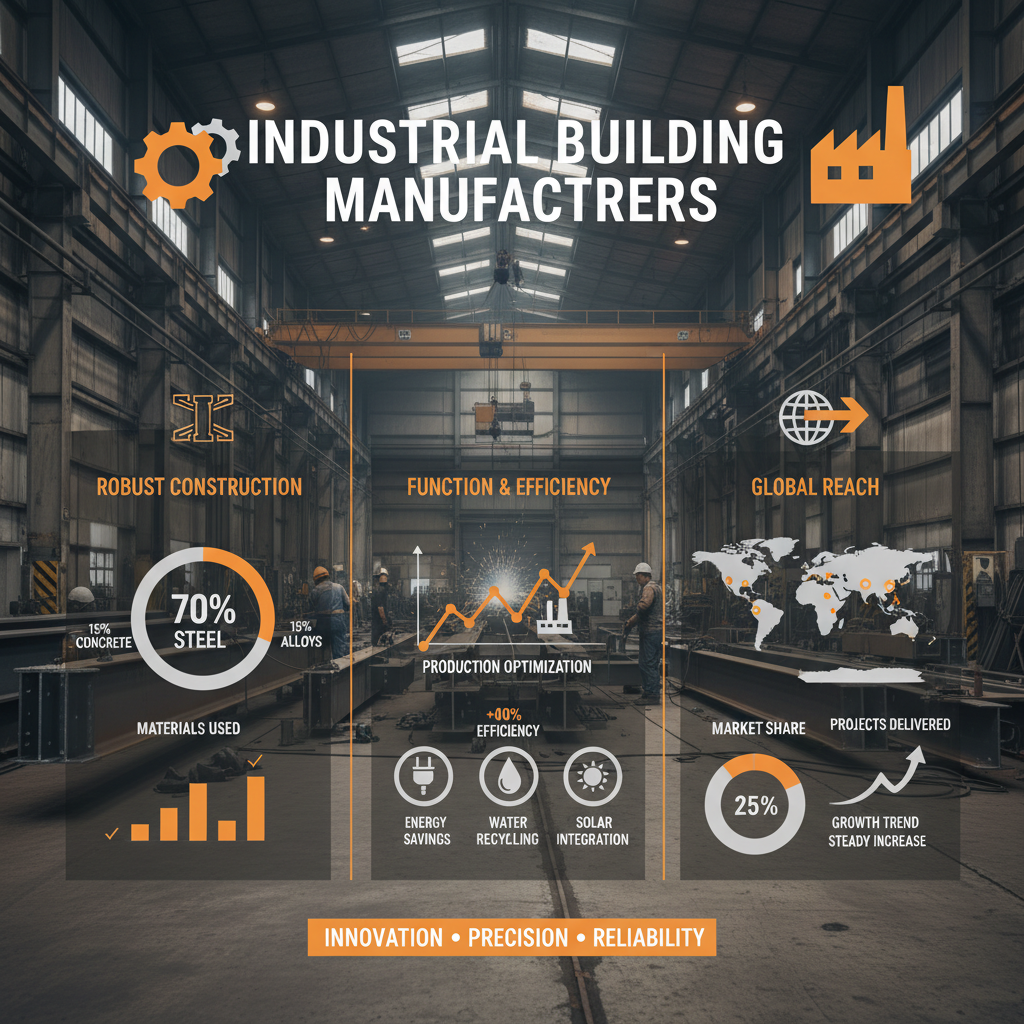
Industrial Building Manufacturer Performance Metrics
Advantages and Long-Term Value
Cost savings are significant, stemming from optimized designs, efficient construction processes, and reduced long-term maintenance requirements. Sustainability is enhanced through the use of eco-friendly materials and energy-efficient designs, minimizing environmental impact and lowering operating costs.
The social impact is substantial, as safe and efficient industrial buildings contribute to a productive workforce, economic growth, and community development. Reliability is ensured through rigorous quality control measures and adherence to industry standards, providing peace of mind for investors and operators.
Future Trends in industrial building manufacturer
The integration of Building Information Modeling (BIM) is transforming industrial building manufacturer, allowing for more accurate designs, clash detection, and streamlined construction processes. Automation and robotics are increasing efficiency and reducing labor costs on construction sites.
The increasing adoption of modular construction techniques is enabling faster project delivery times and greater flexibility. Green building technologies, such as solar panels, rainwater harvesting systems, and energy-efficient HVAC systems, are becoming increasingly prevalent. Digital twins—virtual replicas of physical assets—will allow for predictive maintenance and optimized operational performance.
Challenges and Innovative Solutions
One of the primary challenges is the need for skilled labor. The industry faces a shortage of qualified workers capable of operating advanced construction equipment and implementing innovative building techniques. Investing in training programs and apprenticeships is crucial to address this skills gap.
Supply chain disruptions can also pose a significant challenge. Diversifying sourcing strategies and establishing strong relationships with suppliers can mitigate these risks. Regulatory compliance and permitting processes can be complex and time-consuming. Streamlining these processes through digitalization and collaboration with government agencies can improve efficiency.
Finally, adapting to evolving industry needs and technological advancements requires continuous innovation. Manufacturers must embrace new technologies, explore alternative materials, and invest in research and development to stay ahead of the curve.
Summary of Common FAQs Regarding industrial building manufacturer
| Question |
Typical Project Timeline |
Cost Considerations |
Sustainability Factors |
| What is the typical turnaround time for an industrial building project? |
6-12 months |
$50 - $150/sq ft |
LEED Certification Potential |
| How do material costs impact the overall project budget? |
25-40% of total cost |
Fluctuations depend on market trends |
Recycled material usage |
| What are the key factors affecting the long-term durability of these structures? |
Material Quality, foundation integrity |
Regular maintenance schedule |
Corrosion resistance |
| Can industrial buildings be designed to meet specific sustainability standards? |
Yes, LEED, BREEAM, etc. |
Initial cost may be higher |
Long-term energy savings |
| What level of customization is typically possible with prefabricated industrial buildings? |
High degree of customization |
Customizations increase cost |
Modular design allows for flexibility |
| What safety regulations and building codes are relevant for these types of projects? |
IBC, OSHA, local regulations |
Compliance adds to project costs |
Safe work environment crucial |
FAQS
Prefabricated industrial buildings offer several advantages, including faster construction times, reduced on-site labor costs, and improved quality control. The manufacturing process takes place in a controlled environment, minimizing errors and ensuring consistent standards. These buildings are also often more sustainable, utilizing less material and generating less waste than traditional construction methods. They provide a cost-effective and efficient solution for businesses needing rapid deployment of industrial facilities.
Experienced industrial building manufacturers conduct thorough site assessments before beginning any project. This involves geotechnical investigations to understand soil conditions and topographical surveys to identify any challenges posed by uneven terrain. They then design foundations and structural elements specifically tailored to address these site-specific factors, ensuring the stability and longevity of the building. Adaptations such as piling, grading, or specialized foundation systems are commonly employed.
A well-maintained industrial building constructed by a reputable manufacturer can easily have a lifespan of 50 years or more. The durability depends on several factors, including the quality of materials used, the design of the structure, and the level of ongoing maintenance. Regular inspections, prompt repairs, and protective coatings can significantly extend the life of the building and maximize its return on investment.
Yes, many industrial building manufacturers design their structures with future expansion and modification in mind. Modular construction techniques, in particular, lend themselves well to adaptability. Additional bays can be added, walls can be reconfigured, and new features can be incorporated without significant disruption to ongoing operations. A well-planned design ensures the building can evolve to meet changing business needs.
Industrial building manufacturers typically offer warranties covering materials, workmanship, and structural integrity. These warranties can vary in length, but often range from 10 to 20 years or more. It's important to carefully review the warranty terms and conditions to understand the coverage provided and any limitations. A comprehensive warranty provides peace of mind and protects your investment.
Reputable manufacturers have a dedicated team of experts who are well-versed in local building codes and regulations. They work closely with local authorities to obtain the necessary permits and ensure that the building design and construction meet all applicable requirements. This includes adhering to zoning regulations, fire safety codes, and accessibility standards, guaranteeing a compliant and safe structure.
Conclusion
In conclusion, industrial building manufacturer is a dynamic and essential field, providing tailored infrastructure solutions for a diverse range of industries. From enhancing cost efficiency and accelerating project timelines to promoting sustainability and ensuring long-term durability, the benefits are multifaceted and far-reaching. As industries continue to evolve and demand more sophisticated facilities, the role of specialized manufacturers will only become more critical.
Looking ahead, embracing innovation – particularly in areas like BIM, automation, and modular construction – will be key to unlocking further advancements. Prioritizing sustainability and investing in workforce development will ensure the industry can meet the challenges of the future and continue to deliver high-quality, reliable, and efficient industrial buildings. For expert solutions in industrial construction, visit our website: www.hjsdwarehouse.com.