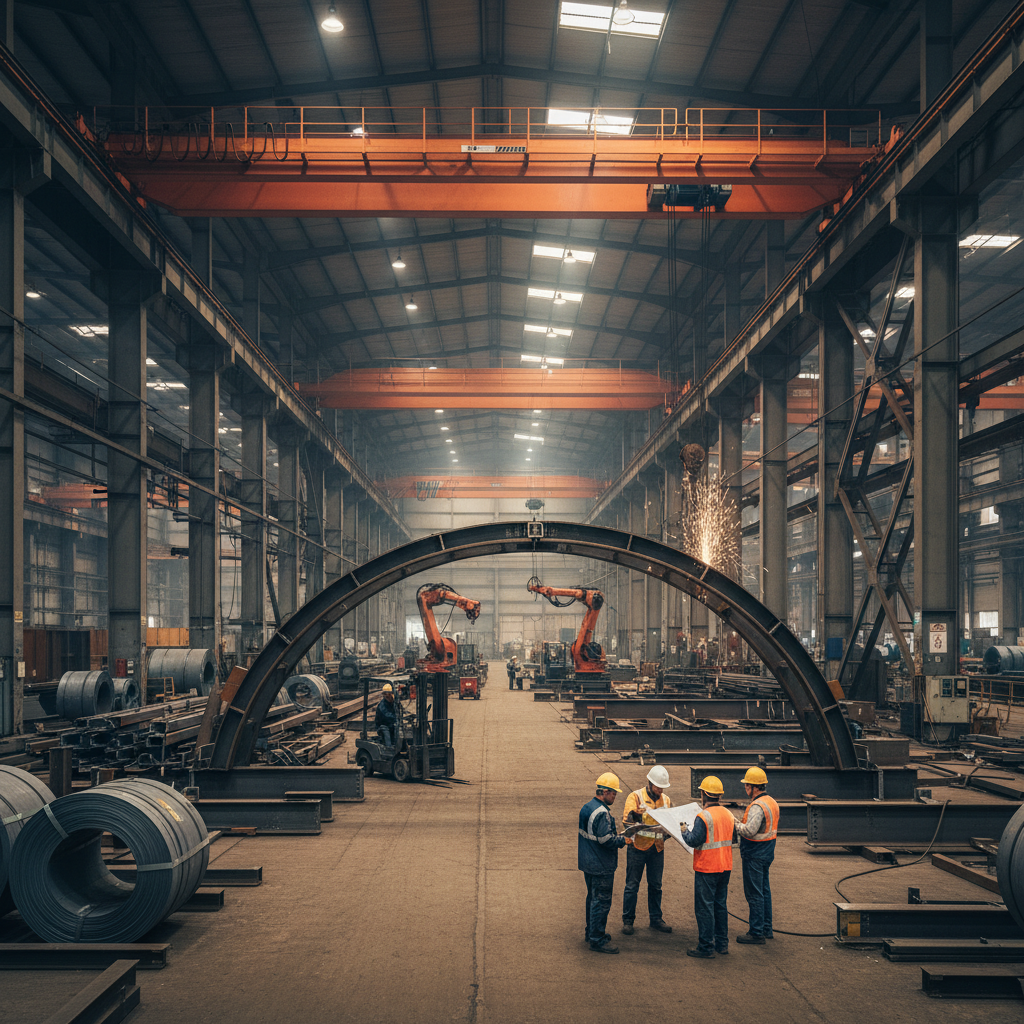
Steel building companies are at the forefront of modern construction, offering innovative and sustainable solutions for a diverse range of industries. These companies specialize in the design, fabrication, and erection of steel structures, from warehouses and manufacturing facilities to institutional buildings and agricultural complexes. Their impact extends globally, contributing significantly to infrastructure development and economic growth.
The demand for steel buildings is driven by several key factors, including their inherent strength, durability, and cost-effectiveness. They offer faster construction times compared to traditional methods, reducing project costs and minimizing disruption. Moreover, steel is a highly recyclable material, aligning with growing environmental concerns and promoting sustainable building practices. steel building companies are increasingly focused on eco-friendly processes.
Understanding the capabilities of steel building companies is crucial for architects, engineers, developers, and anyone involved in the construction process. These companies provide customized solutions tailored to specific project requirements, offering a compelling alternative to conventional building methods. The evolving landscape of steel construction is continually pushing boundaries in design and functionality, offering solutions for even the most complex projects.
The Importance of Steel Building Companies
Steel building companies play a critical role in shaping the built environment, providing robust and adaptable structures for a wide spectrum of applications. They are key contributors to economic development, facilitating the construction of infrastructure essential for commerce, industry, and societal progress. The versatility of steel allows for creative design and efficient utilization of space, catering to diverse needs.
The importance of these companies is amplified in rapidly developing regions, where efficient and scalable building solutions are in high demand. They offer the ability to construct complex structures quickly and cost-effectively, accelerating infrastructure development and supporting economic growth. Furthermore, steel building companies are increasingly embracing sustainable practices, minimizing environmental impact and promoting responsible construction.
Defining Steel Building Companies
Steel building companies are specialized construction firms that focus on the design, fabrication, and erection of steel structures. This encompasses a comprehensive range of services, from initial conceptualization and engineering to the final assembly and finishing of the building. They work with various types of steel, including structural steel, stainless steel, and galvanized steel, to create customized solutions for their clients.
The scope of work often involves collaboration with architects, engineers, and other construction professionals to ensure that the steel structure meets all relevant building codes and safety standards. Steel building companies are adept at managing complex projects, coordinating logistics, and adhering to strict timelines. They are essential partners in bringing innovative designs to life.
Their connection to modern industry and humanitarian needs is significant. From warehouses storing essential goods to emergency shelters providing refuge after disasters, these companies provide the infrastructure that supports everyday life and aids in times of crisis. They are foundational to both commercial development and disaster relief efforts.
Core Components of Steel Building Success
Durability is a cornerstone of steel building construction. Steel's inherent strength and resistance to corrosion make it a long-lasting material, capable of withstanding harsh weather conditions and seismic activity. This durability translates into lower maintenance costs and a longer lifespan for the building. steel building companies prioritize using high-quality steel and employing rigorous fabrication techniques.
Scalability is another key advantage. Steel structures can be easily expanded or modified to accommodate changing needs, providing flexibility and adaptability. This is particularly important for businesses that anticipate future growth or require adaptable spaces. Steel allows for modular construction, enabling efficient additions and alterations.
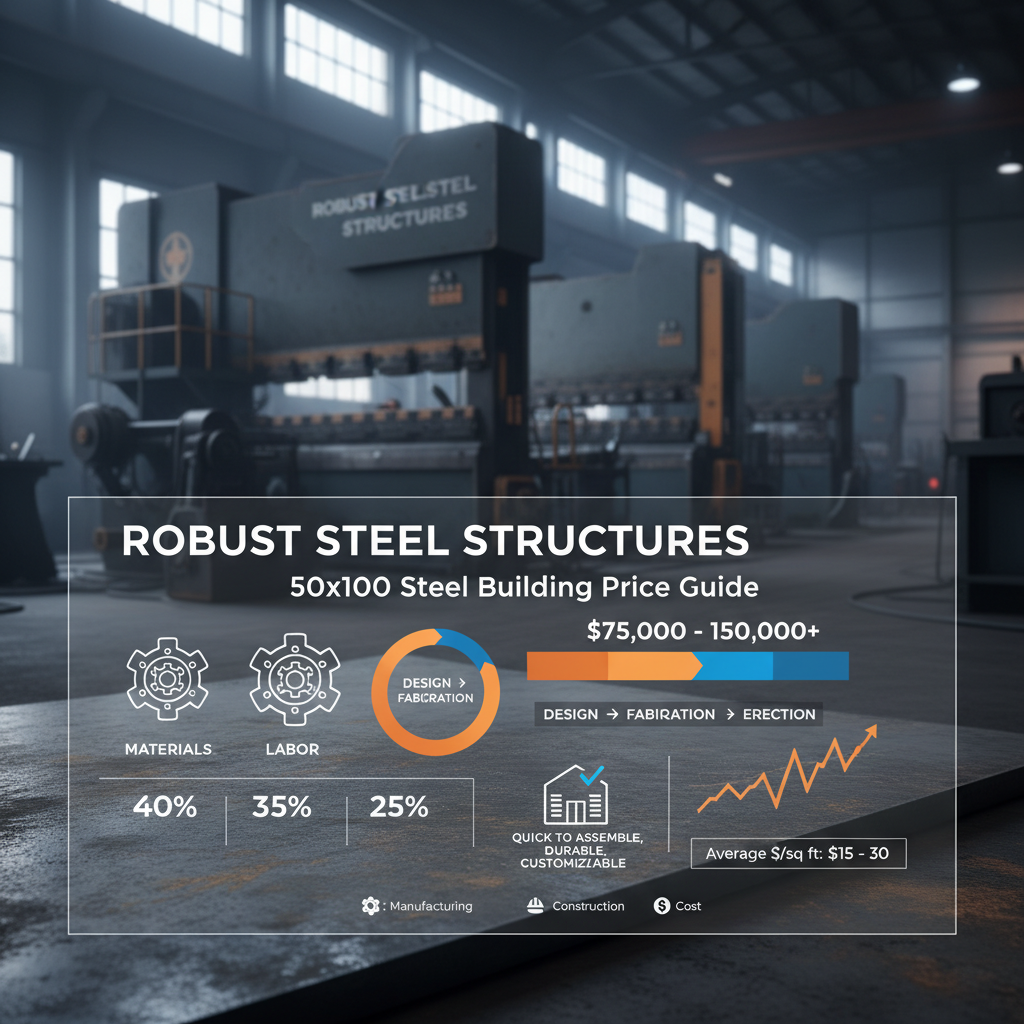
Cost-efficiency is a significant benefit. While the initial cost of steel may be higher than some other building materials, the long-term savings associated with reduced maintenance, faster construction times, and increased durability often outweigh the upfront investment. Efficient designs and optimized material usage further contribute to cost savings.
Global Applications and Real-World Use Cases
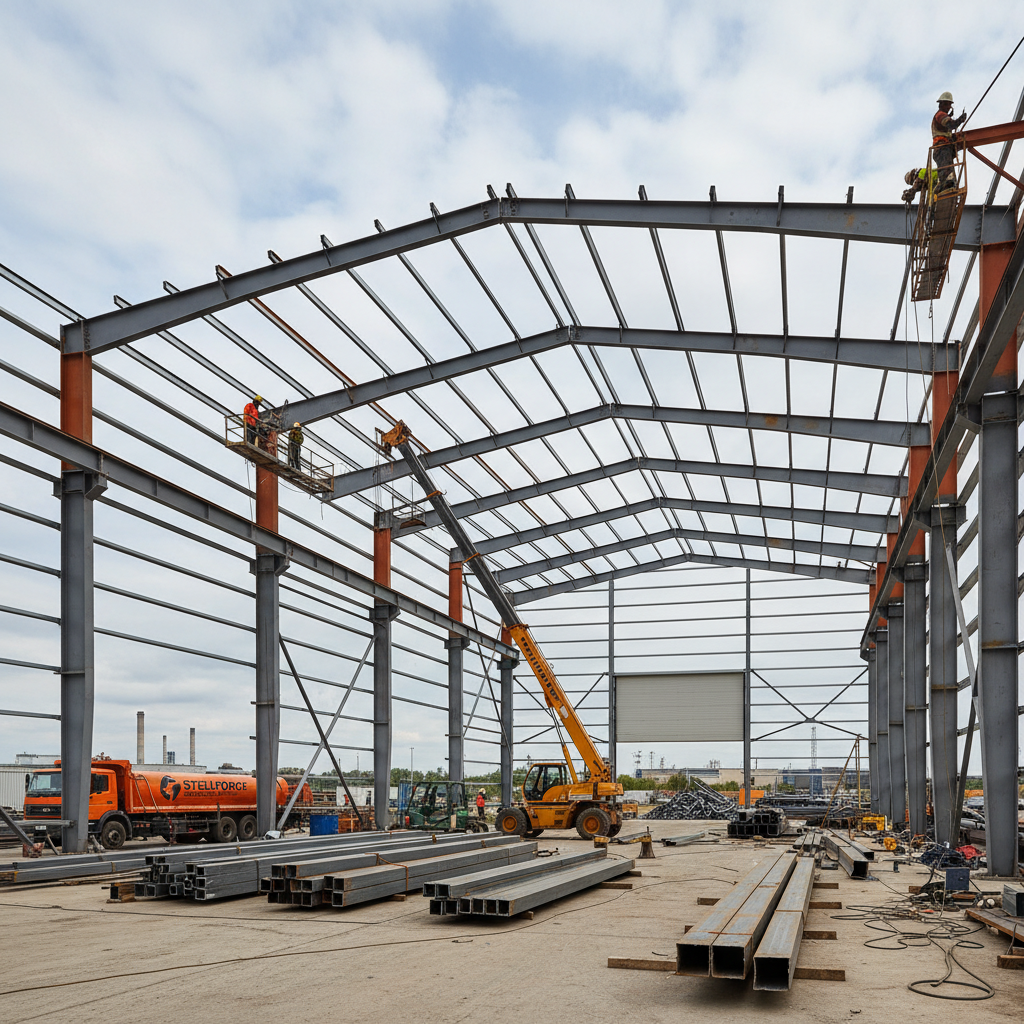
Steel building companies are instrumental in constructing a wide range of structures globally. In the industrial sector, they build manufacturing plants, warehouses, and distribution centers, providing the space needed for efficient operations. In the commercial sector, they construct office buildings, retail spaces, and shopping malls, shaping the skylines of cities worldwide.
In post-disaster relief operations, rapidly deployable steel structures provide emergency shelter, medical facilities, and logistical support. In remote industrial zones, like mining camps and oil fields, steel buildings offer durable and secure accommodations for workers. These buildings are often prefabricated and shipped to the site for quick assembly.
Organizations like the United Nations and various NGOs rely on the expertise of steel building companies to provide emergency infrastructure in crisis situations. The speed and efficiency of steel construction are crucial in delivering aid and support to affected populations.
Steel Building Company Performance Metrics
Advantages and Long-Term Value Proposition
The tangible benefits of choosing steel building companies are numerous. Lower lifecycle costs, due to reduced maintenance and increased durability, represent significant long-term savings. Sustainability is also a key advantage, as steel is a highly recyclable material, minimizing environmental impact.
Beyond the practical benefits, steel buildings offer a sense of security and reliability. Their strength and resistance to natural disasters provide peace of mind. Moreover, the innovative designs and customization options available through steel building companies foster a sense of pride and contribute to the aesthetic appeal of the built environment.
Future Trends and Technological Innovations
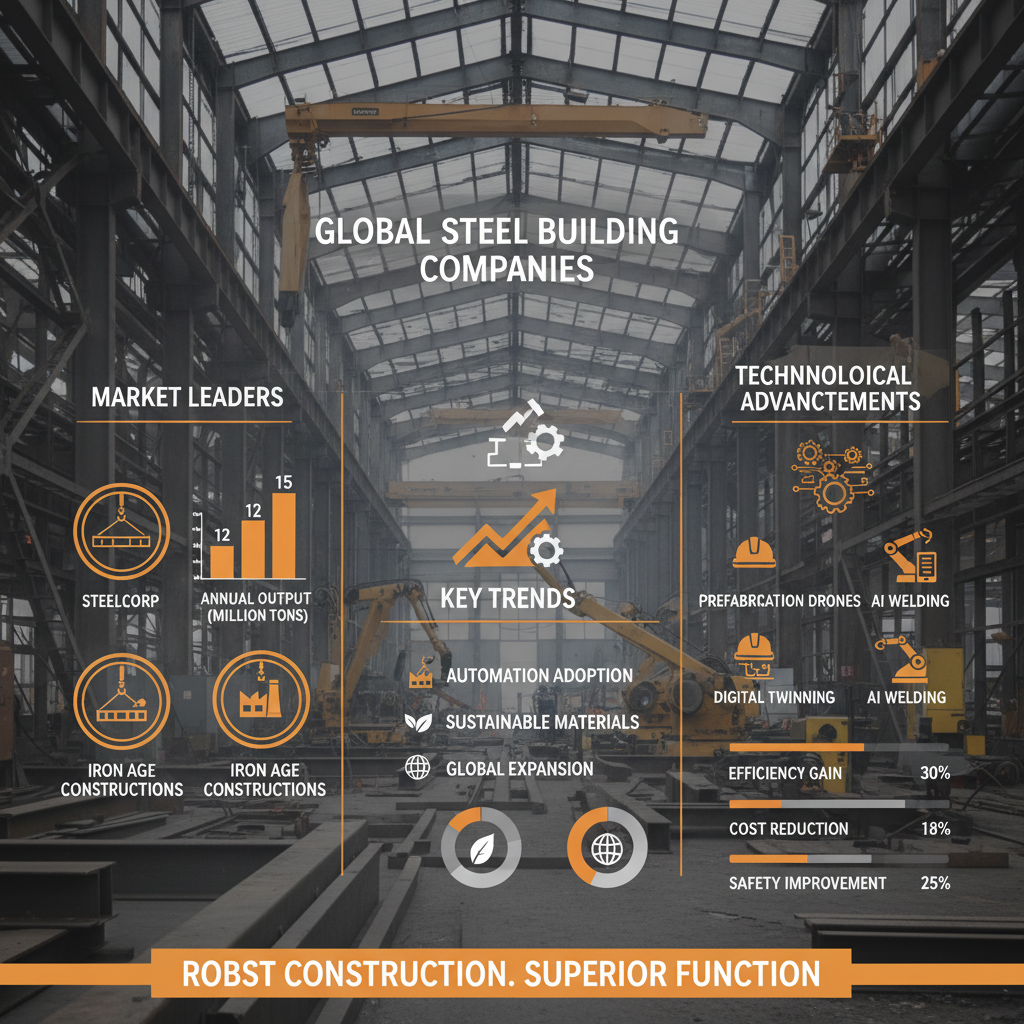
The future of steel building companies is intertwined with advancements in technology and a growing emphasis on sustainability. Digital twin technology, for example, allows for virtual modeling and simulation of steel structures, optimizing designs and improving efficiency. Automation and robotics are also playing an increasingly important role in fabrication and erection processes.
The development of high-strength, lightweight steels is reducing material costs and improving structural performance. Furthermore, innovative coatings and corrosion-resistant treatments are extending the lifespan of steel buildings and minimizing maintenance requirements. These advancements are driving a new era of efficiency and sustainability in the construction industry.
Challenges and Innovative Solutions
Despite the numerous advantages, steel building companies face challenges such as fluctuating steel prices and skilled labor shortages. Supply chain disruptions can also impact project timelines and costs. However, innovative solutions are emerging to address these issues.
Adopting modular construction techniques can mitigate supply chain risks and reduce construction times. Investing in workforce training and development programs can help address the skilled labor shortage. Utilizing advanced software and data analytics can optimize material procurement and minimize waste.
Collaboration between steel building companies, suppliers, and technology providers is crucial for overcoming these challenges and driving innovation in the industry. Proactive risk management and adaptable project planning are essential for navigating the evolving construction landscape.
Summary of Challenges and Solutions in the Steel Building Industry
| Challenge |
Impact on Projects |
Proposed Solution |
Implementation Difficulty (1-10) |
| Fluctuating Steel Prices |
Increased Project Costs, Budget Uncertainty |
Strategic Procurement, Long-Term Contracts |
6 |
| Skilled Labor Shortage |
Project Delays, Reduced Quality |
Workforce Training Programs, Automation |
7 |
| Supply Chain Disruptions |
Material Delays, Increased Lead Times |
Modular Construction, Local Sourcing |
5 |
| Design Complexity |
Increased Fabrication Costs, Engineering Challenges |
BIM Implementation, Early Collaboration |
4 |
| Regulatory Compliance |
Permitting Delays, Increased Administrative Burden |
Proactive Code Research, Expert Consultation |
3 |
| Environmental Concerns |
Increased Scrutiny, Sustainable Building Demands |
Recycled Steel Usage, Green Building Certifications |
2 |
FAQS
Steel buildings offer numerous advantages, including faster construction times, greater design flexibility, superior strength and durability, and lower lifecycle costs. They’re also highly sustainable due to steel’s recyclability. This makes them ideal for a wide range of applications, from industrial facilities to commercial spaces and even residential structures. Utilizing steel building companies ensure a streamlined and efficient construction process.
While the initial material cost of steel may sometimes be higher, the overall cost of a steel building is often lower when considering the entire project lifecycle. Faster construction times translate to reduced labor costs, and steel’s durability minimizes maintenance and repair expenses. Furthermore, the design flexibility allows for efficient space utilization, reducing long-term operational costs.
Steel buildings are known for their rapid construction speed. The timeframe can vary depending on the size and complexity of the project, but generally, a steel building can be completed significantly faster than a comparable structure built using traditional methods. Pre-engineered steel buildings can often be erected in a matter of weeks, minimizing disruption and accelerating time to occupancy.
Steel is one of the most recycled materials in the world, making steel buildings a highly sustainable construction option. The use of recycled steel reduces the demand for virgin materials and lowers carbon emissions. Furthermore, steel buildings are energy-efficient and can be designed to incorporate green building technologies, minimizing their environmental footprint.
Steel buildings generally require minimal maintenance compared to structures built with other materials. Regular inspections and occasional repainting or recoating are typically the main maintenance tasks. The durability of steel and its resistance to pests and rot contribute to its low maintenance requirements. Working with experienced steel building companies ensures proper installation and long-term performance.
Pre-engineered steel buildings are incredibly versatile and used in a wide array of applications. These include warehouses, manufacturing facilities, retail stores, agricultural buildings, workshops, garages, and even aircraft hangars. Their design flexibility allows for customization to meet specific needs and building codes across many industries.
Conclusion
In conclusion, steel building companies are vital contributors to modern infrastructure, offering durable, scalable, and cost-effective solutions for a diverse range of applications. The inherent strength of steel, coupled with advancements in technology and a growing emphasis on sustainability, positions these companies at the forefront of innovation in the construction industry. Choosing steel building companies means investing in long-term value, reliability, and a reduced environmental impact.
Looking ahead, the future of steel construction is bright. Continued innovation in materials, design techniques, and construction processes will further enhance the benefits of steel buildings. We encourage you to explore the possibilities and consider the advantages of partnering with a reputable steel building company for your next project.