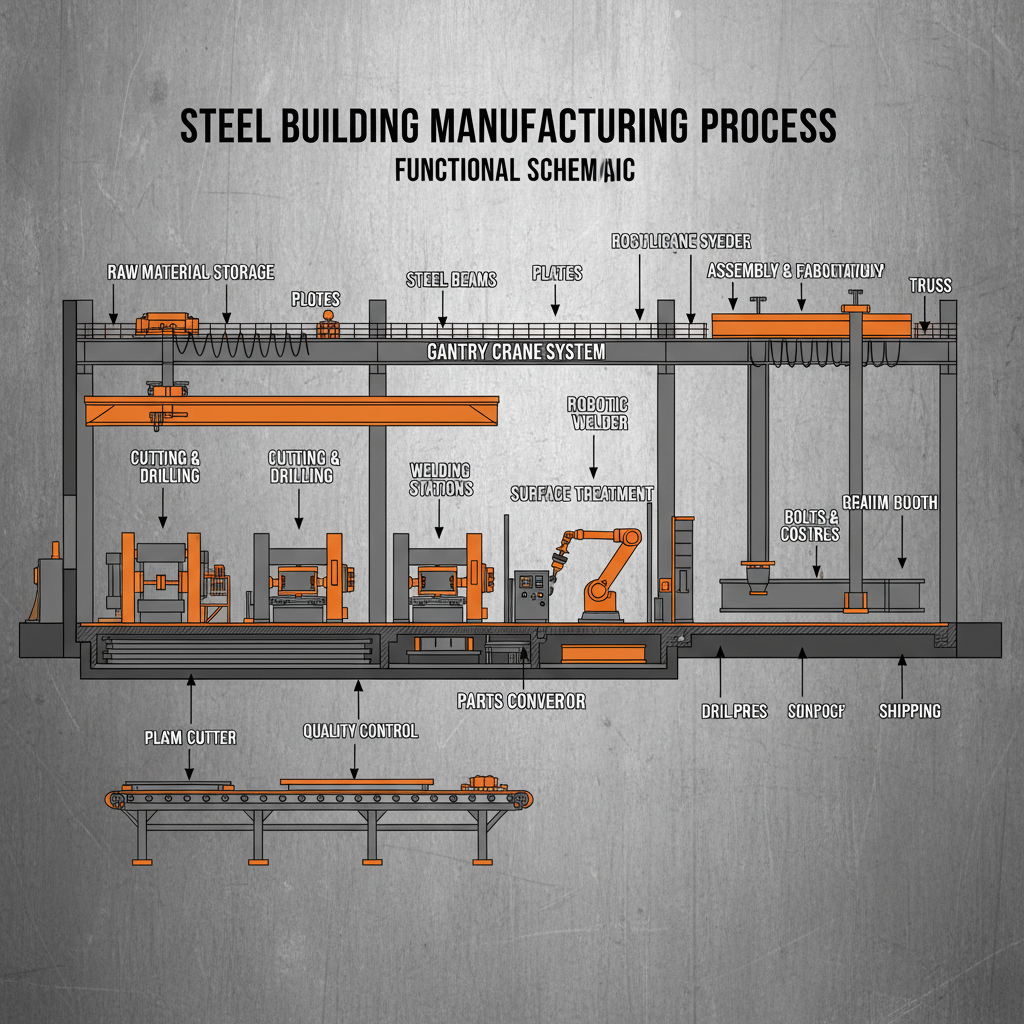
Selecting the right prefabricated metal building manufacturers is a critical decision for any organization looking to expand its infrastructure quickly without compromising on structural integrity. In the specialized field of steel structure engineering, the shift toward pre-engineered components has redefined how industrial and agricultural spaces are developed, offering a balance of speed, cost-efficiency, and durability.
The primary challenge for buyers often lies in distinguishing between generic sheds and high-performance engineered structures. Whether the requirement is for a specialized aircraft hangar, a large-scale industrial warehouse, or a precision-controlled livestock facility, the quality of the manufacturing process directly impacts the building's lifespan and maintenance costs.
This guide provides a comprehensive framework for evaluating manufacturers, analyzing the technical advantages of galvanized steel, and matching specific prefabricated solutions to various commercial and agricultural applications to ensure a secure and sustainable investment.

Understanding the Manufacturer's Role in Project Success

The role of prefabricated metal building manufacturers extends far beyond simple fabrication; it encompasses the entire lifecycle from conceptual design to final installation. A professional manufacturer integrates engineering expertise with advanced production capabilities to ensure that every beam and panel is optimized for the specific environmental stresses of the site, such as wind loads and seismic activity.
Hebei HongJi Shunda Steel Structure Engineering Co., Ltd., with over two decades of experience since 2000, exemplifies this integrated approach by providing design, manufacture, and installation services. By maintaining a large-scale production area of 52,000 square meters, manufacturers can ensure strict quality control over raw material purchasing and inventory, which directly translates to cost-effectiveness for the end user.
Key Technical Specifications of High-Grade Steel Buildings
The structural integrity of a prefabricated building is primarily determined by the grade of steel and the protective coatings applied during manufacturing. High-tensile galvanized steel is the industry standard for projects requiring longevity, as the zinc coating provides a sacrificial layer that prevents oxidation and corrosion, even in harsh coastal environments.
Beyond the material, the modular design of these structures allows for rapid assembly, significantly reducing onsite labor costs. Key technical features include fire-resistant properties and a pest-free nature, which are essential for food-grade storage or high-value asset protection. These engineering choices ensure that the structure remains stable for decades with only nominal maintenance requirements.
Application-Specific Solutions for Diverse Industries
Prefabricated steel is not a one-size-fits-all solution; different applications require specific engineering configurations. For instance, aircraft hangars demand massive clear-span widths to accommodate wingspans without internal columns, requiring advanced truss systems and high-strength steel to maintain safety and open access.
In the agricultural sector, the focus shifts toward ventilation and environmental control. Steel structure poultry and livestock farm buildings are designed to optimize airflow and hygiene, utilizing materials that can withstand the corrosive effects of organic waste. Similarly, industrial workshops and factory buildings prioritize floor load capacity and the ability to integrate heavy machinery without compromising the building's overall stability.
Evaluation Framework for Structural Performance
When assessing the capabilities of various building types, it is useful to look at a normalized performance index across key dimensions: durability, installation speed, cost-efficiency, scalability, and maintenance needs. This illustrative framework helps buyers determine which structural approach aligns with their operational priorities.
The data represented in this conceptual chart indicates that while specialized structures like aircraft hangars might have higher initial complexity, their relative durability and protection scores are significantly higher. Conversely, standard steel sheds offer the highest scores in installation speed and cost-efficiency, making them ideal for rapid storage expansion.
Strategic Sourcing and Supplier Selection Criteria
Selecting from various prefabricated metal building manufacturers requires a rigorous evaluation of their production capacity and design integration. A supplier that offers a "turnkey" service—handling everything from the initial architectural drawing to the final bolt—reduces the risk of misalignment between the design intent and the physical execution.
Buyers should prioritize manufacturers who can demonstrate a transparent raw material sourcing strategy. Cost-effective purchasing of steel, combined with a professional design team, allows a manufacturer to provide high-quality results without unnecessary markups. Evaluating the registered capital and facility size can also serve as a proxy for the manufacturer's stability and ability to handle large-scale industrial projects.
Common Pitfalls in Prefabricated Steel Procurement
One of the most frequent mistakes buyers make is prioritizing the lowest initial quote over the total cost of ownership. Low-cost providers may use thinner gauge steel or inferior coatings, which leads to premature rusting and higher maintenance costs over the building's lifecycle, especially in humid or coastal regions.
Another common error is neglecting the site-specific engineering requirements. A building designed for a low-wind area will fail if installed in a storm-prone zone. It is essential to ensure that the manufacturer performs a detailed load analysis based on the actual geographic location of the project rather than using generic templates.
Comparative Analysis of Prefabricated Building Types
To facilitate the decision-making process, the following table compares different prefabricated solutions based on their primary utility and structural considerations. This qualitative comparison helps in matching the building type to the specific business need.
| Building Type | Primary Feature | Best Application | Main Consideration |
|---|---|---|---|
| Aircraft Hangar | Clear-Span Width | Aviation Storage | High-Tensile Strength |
| Industrial Workshop | Heavy Load Support | Manufacturing | Floor Load Capacity |
| Agricultural Shed | Ventilation Focus | Livestock/Poultry | Corrosion Resistance |
| Steel Warehouse | Volume Optimization | Logistics/Storage | Modular Scalability |
| Steel Office Building | Aesthetic Flexibility | Commercial Space | Insulation/Finishing |
| Metal Garage | Rapid Assembly | Private Storage | Foundational Stability |
Ultimately, the choice depends on the balance between the required internal volume, the environmental conditions of the site, and the long-term operational goals of the facility.
Frequently Asked Questions
Galvanized steel provides superior anti-rust properties, making it ideal for longevity in challenging environments. It ensures structural integrity by preventing corrosion and requires minimal maintenance compared to untreated steel.
Because components are pre-engineered and manufactured off-site, the assembly process is significantly faster than traditional construction. The exact timeline depends on the building size and site preparation.
Yes, prefabricated steel is highly versatile. By adding proper insulation and interior finishes, these structures can be converted into high-quality residential homes or modern professional office buildings.
Check the total facility area, the level of design integration they offer, and their experience in specific project types. A larger facility often indicates a better ability to maintain inventory and control costs.
Steel is inherently non-combustible, providing a significant safety advantage over wood-framed structures. This makes them an excellent choice for warehouses and industrial plants.
Ensure your manufacturer performs a site-specific engineering analysis to calculate the necessary steel gauge and bracing required to withstand local wind, snow, and seismic loads.
Conclusion
Investing in a prefabricated steel structure requires a strategic partnership with a manufacturer that balances technical precision with production efficiency. By focusing on high-tensile galvanized materials and application-specific engineering, businesses can secure facilities that offer long-term durability and minimal maintenance costs.
For those evaluating structural options for industrial, agricultural, or aviation needs, detailed product information and custom design consultations are available at www.hjsdwarehouse.com to ensure the chosen solution matches the project's operational requirements.