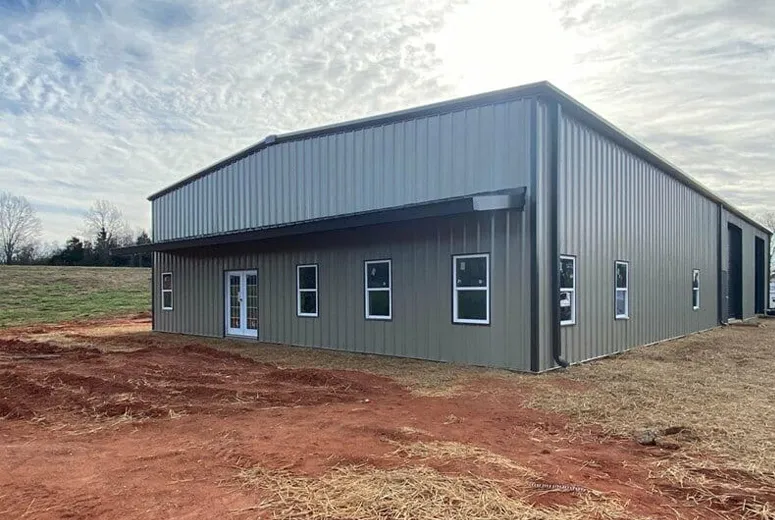
Top Industrial Steel Building Manufacturers for Durable Farms
Finding the right infrastructure for agricultural and industrial operations requires a balance between structural integrity and long-term operational cost. For farmers and business owners, the transition from traditional timber to engineered steel represents a strategic move toward durability and hygiene. Whether the goal is protecting high-value livestock or securing harvested crops, the choice of building materials directly impacts the safety of the assets and the efficiency of the daily workflow.
Industrial steel buildings offer a level of stability and low-maintenance convenience that is virtually unattainable with organic materials. By utilizing precision-engineered frames, these structures can be tailored to specific needs, ranging from expansive processing facilities to specialized poultry sheds. This guide explores the technical advantages of steel in harsh environments and how integrated design-to-installation services ensure a high-quality, eco-friendly result.

Structural Advantages of Engineered Steel in Challenging Agricultural Environments
In the agricultural sector, buildings are constantly exposed to extreme weather, humidity, and biological stressors. Steel structures provide an inherent strength that allows them to withstand harsh environments where wooden frames would succumb to rot, pest infestation, or structural fatigue. The stability of a steel frame ensures that large-span interiors remain clear of obstructive columns, which is critical for the movement of heavy machinery and the organization of livestock.
One of the most significant benefits for busy farm operators is the minimal maintenance required. Unlike wood, which necessitates frequent painting, sealing, and treatment, steel is naturally resilient. This reduction in upkeep translates to lower operational costs and more time focused on core production. From silos to expansive storage sheds, the use of high-grade steel protects crops and equipment effectively, providing owners with long-term peace of mind.
- Environmental Resistance: Superior performance against wind loads and heavy snow.
- Structural Stability: High strength-to-weight ratio allowing for larger open spaces.
- Longevity: Resistance to termites and decay common in rural settings.

Optimizing Livestock Housing Through Hygienic Steel Construction
Livestock housing, including chicken coops, horse barns, pig barns, and cattle shelters, requires a strict adherence to hygiene to prevent the spread of bacteria and disease. Steel is an ideal material for these enclosures because it can be cleaned much more thoroughly and quickly than porous materials like wood. Since livestock areas accumulate dirt, grime, and organic waste rapidly, the non-porous nature of steel allows for high-pressure washing and chemical disinfection without degrading the structure.
Beyond hygiene, steel structures provide essential protection from the beating sun and unpredictable weather. Proper ventilation and temperature control are easier to integrate into a steel-frame design, ensuring that animals remain healthy and stress-free. This combination of durability and cleanliness is essential for ranchers looking to sustain operations over decades while meeting modern veterinary and safety standards.
Integrated Design and Installation for High-Performance Terminal Buildings
The success of a steel project depends on the seamless integration of design, material procurement, and on-site installation. A professional design team ensures that the building is not only structurally sound but also optimized for its specific purpose—whether that is a high-clearance workshop or a specialized processing facility. By incorporating advanced integration concepts, the process from initial blueprint to final bolt is streamlined, reducing errors and construction timelines.
Focusing on every detail, from the thickness of the cladding to the precision of the joints, creates a terminal building product that is both green and environment-friendly. Cost-effective raw material procurement strategies allow for high-quality outputs without unnecessary budget inflation. This integrated approach ensures that the final structure meets all safety regulations while providing a customized environment that evolves with the user's business needs.
Comparison of Building Materials for Agricultural Infrastructure
| Feature | Steel Structures | Wooden Frames | Concrete Blocks | Masonry/Brick |
|---|---|---|---|---|
| Maintenance Level | Very Low | High | Medium | Medium |
| Cleaning Efficiency | Excellent | Poor | Good | Fair |
| Construction Speed | Fast (Prefab) | Moderate | Slow | Slow |
| Lifespan | Very Long | Moderate | Long | Long |
| Pest Resistance | Immune | Vulnerable | High | High |
Evaluating Key Criteria for Selecting Steel Building Suppliers
When vetting industrial steel building manufacturers, procurement managers should look beyond the initial price quote and evaluate the supplier's end-to-end capability. A reliable partner should offer an integrated service model that includes professional design, precision manufacturing, and expert installation. This prevents the common "gap" between the architectural plan and the actual physical build, which often leads to costly modifications during the construction phase.
Furthermore, the ability to source cost-effective raw materials while maintaining strict quality links is a hallmark of an experienced manufacturer. Buyers should inquire about the specific standards used for steel grades and the precision of the fabrication process. A supplier that emphasizes "terminal building products" generally focuses on the final usability and durability of the structure, ensuring that the finished warehouse or shed is ready for immediate operational use.
Future Trends in Sustainable and Eco-Friendly Steel Construction
The construction industry is moving toward "green" building practices, and steel is at the forefront due to its recyclability. Unlike many other building materials, steel can be recycled without loss of quality, making it a sustainable choice for the future of agricultural and industrial development. Modern steel buildings are now being designed to incorporate energy-efficient insulation and solar-ready roof structures, further reducing the carbon footprint of farm operations.
We are seeing an increase in the demand for prefabricated kits that allow for rapid deployment with minimal site disturbance. These advanced systems allow farmers to expand their capacity quickly to meet market demands without the prolonged disruptions of traditional construction. As the industry evolves, the focus remains on creating high-quality, environment-friendly home and work environments that prioritize both human and animal welfare.
Frequently Asked Questions About Industrial Steel Buildings
Why is steel preferred over wood for livestock housing?
Steel is preferred primarily due to its hygiene and durability. It is non-porous, allowing for thorough cleaning and disinfection to keep livestock healthy, and it is immune to the rot and pest infestations that commonly plague wooden structures in farm environments.
What types of agricultural buildings can be constructed with steel?
Steel is highly versatile and can be used for barns, silos, storage sheds, processing facilities, and specialized livestock housing such as poultry sheds, horse barns, and cattle shelters.
How does integrated design-to-installation benefit the buyer?
Integrated services ensure that the structural design is perfectly aligned with the manufacturing process and the final installation. This reduces the risk of errors, ensures quality control at every link, and simplifies the project management for the customer.
Are steel buildings more expensive to maintain than other materials?
Actually, steel buildings are very low-maintenance compared to wood. They do not require frequent sealing or treatment against decay, making them more convenient and cost-effective for busy operators in the long run.
Can steel buildings be customized for specific environmental needs?
Yes, steel structures can be engineered to withstand specific harsh environments, including high-wind zones or areas with extreme temperature fluctuations, by adjusting the frame strength and cladding specifications.
Is steel construction an environmentally friendly choice?
Yes, steel is one of the most recyclable materials available. When combined with eco-friendly design practices and energy-efficient insulation, it provides a sustainable alternative to traditional construction methods.
Technical Industry References
- American Institute of Steel Construction (AISC) Standards
- Steel Construction Knowledge Base
- ISO Standards for Steel Fabrication
- FAO Guidelines on Agricultural Infrastructure
Investing in high-quality steel infrastructure is a decisive step toward operational efficiency and long-term asset protection. By partnering with experienced designers and manufacturers, you can ensure a structure that is durable, hygienic, and perfectly suited to your specific industrial or agricultural requirements.
Related Industry Insights