Custom Industrial Steel Building Factory for Prefabricated Kits
Securing a durable industrial space often comes down to the precision of the fabrication process. For business owners and project managers, the transition from a conceptual blueprint to a physical structure requires a partner capable of balancing engineering rigor with cost-efficiency. Prefabricated metal solutions have evolved beyond simple sheds; they now encompass complex, bolt-together kits that allow for rapid deployment without sacrificing structural integrity. By leveraging factory-direct procurement, clients can bypass unnecessary intermediaries, ensuring that every beam and panel meets exact site specifications.
Whether the objective is a high-capacity logistics warehouse, a specialized poultry shed, or a professional workshop, the critical factor is the integration of local building codes with advanced steel engineering. A streamlined approach—integrating design, manufacture, and optional nationwide installation—minimizes the risks associated with construction delays and budget overruns, providing a sustainable and high-quality environment for long-term industrial operations.

Engineering Precision in Prefabricated Metal Building Kits
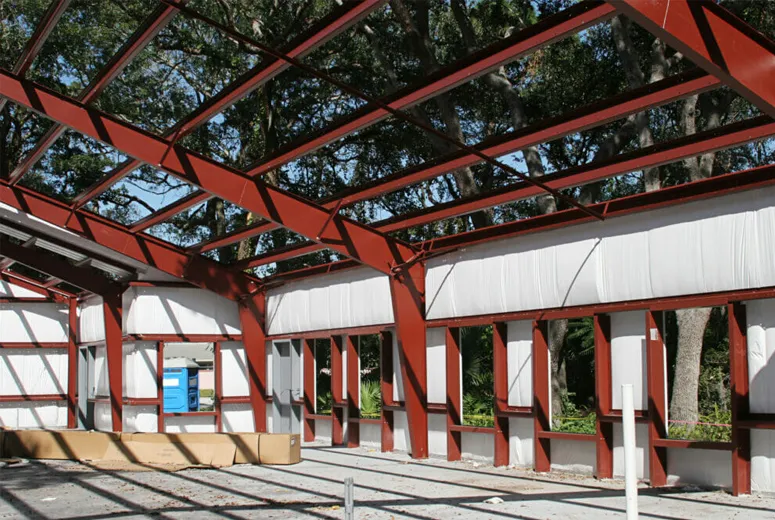
The modern approach to industrial construction relies heavily on the "bolt-together" philosophy. Unlike traditional on-site welding, which is susceptible to weather delays and human error, prefabricated kits are meticulously crafted in a controlled environment. This ensures that every component is cut, drilled, and finished to a fraction of a millimeter, allowing for a seamless assembly process regardless of the project's scale.
These kits are designed to cater to both DIY enthusiasts and professional contractors. The core value lies in the engineered drawings tailored to specific geographic locations. By accounting for environmental factors such as wind load, snow accumulation, and seismic activity, the structural framework is optimized for safety and durability. This site-specific engineering reduces material waste and ensures the building stands the test of time while remaining fully compliant with local regulations.
Key technical advantages include:
- Reduced Lead Times: Parallel processing of site preparation and factory fabrication.
- Material Consistency: High-grade steel processed via advanced integration concepts.
- Versatile Applications: Suitable for storage sheds, workshops, and complex industrial plants.

Integrating Design and Nationwide Installation Services
A common bottleneck in steel construction is the gap between the design phase and the actual erection of the building. To solve this, an integrated service model is employed, covering everything from the initial architectural concept to the final bolt tightening. This end-to-end responsibility ensures that the "green" and environment-friendly goals of the project are maintained throughout the lifecycle.
For clients who prefer a turnkey solution, professional erecting services are available. Skilled crews bring the necessary expertise to handle large-scale endeavors, ensuring that the structural alignment is perfect and the cladding is weather-tight. This professional oversight is particularly vital for specialized structures like poultry sheds or heavy-duty workshops where ventilation and floor loading are critical operational requirements.
The integration process typically follows a strict workflow: Site Analysis → Custom Engineering → Precision Manufacturing → Logistics → Professional Installation. This prevents the common complication of "mismatched parts" and significantly lowers the total cost of ownership by avoiding expensive on-site modifications.
Strategic Considerations for Industrial Steel Procurement
When evaluating a steel building factory, procurement managers must look beyond the initial quote. The true value is found in the supply chain efficiency. Implementing best practices for the purchase of raw materials allows the manufacturer to pass cost-savings onto the customer without compromising the grade of the steel. This cost-effective approach is essential for maintaining competitiveness in large-scale municipal or general construction projects.
Buyers should prioritize suppliers who offer a professional design team alongside their production capability. The ability to iterate designs based on operational needs—such as adding specific crane rails, oversized bay doors, or specialized insulation—distinguishes a premium provider from a generic kit seller. Furthermore, the use of advanced integration concepts helps in creating a "green" building footprint, reducing the environmental impact of the construction process.
Critical evaluation criteria for buyers include:
- Engineering Depth: Do they provide location-specific drawings or generic templates?
- Service Scope: Is there support for installation, or is it a "drop-ship" only model?
- Quality Linkage: How is quality ensured at every link of the production chain?
Comparison of Steel Structure Building Applications
| Application Type | Primary Requirement | Structural Focus | Installation Complexity |
|---|---|---|---|
| Industrial Warehouse | Clear Span Space | Load-bearing capacity | High |
| Manufacturing Workshop | Equipment Support | Floor & Roof rigidity | Medium-High |
| Storage Shed | Weather Protection | Cladding durability | Low-Medium |
| Poultry Shed | Ventilation/Climate | Environmental sealing | Medium |
| Commercial Steel House | Aesthetics & Comfort | Insulation & Finish | Medium |
Operational Efficiency through Lean Manufacturing
The reliability of a steel structure is determined in the factory. By applying lean manufacturing principles, waste is reduced and precision is increased. Every link of the production process—from raw material inventory to final coating—is monitored to ensure consistency. This is particularly important for bolt-together kits, where a single misplaced hole can stall an entire construction site.
Focusing on the "advanced terminal building product" means that the output is not just a collection of steel beams, but a fully engineered system. This systemic approach includes the consideration of thermal expansion, wind uplift, and the interaction between the steel frame and the concrete foundation. By refining these details during the fabrication stage, the on-site experience becomes a straightforward assembly process rather than a complex engineering challenge.
Future Trends in Sustainable Steel Construction
The industry is shifting toward a more sustainable, "green" building model. This involves the use of recyclable steel and energy-efficient cladding materials that reduce the long-term operational costs of the facility. The goal is to create high-quality home and work environments that are environment-friendly without compromising on strength or industrial utility.
Moreover, the trend toward modularity is accelerating. The ability to expand a building by adding new prefabricated bays allows businesses to scale their physical infrastructure in tandem with their growth. This flexibility, combined with the efficiency of a professional design and installation team, makes steel structures the preferred choice for the modern, agile industrial enterprise.
Common Inquiries Regarding Metal Building Solutions
What is the difference between a bolt-together kit and traditional steel construction?
Bolt-together kits are prefabricated in a factory setting and assembled on-site using bolts, whereas traditional construction often involves extensive on-site welding. Kits offer faster installation, higher precision, and are often more suitable for DIY or rapid-deployment projects.
Do I need a professional crew for installation, or can I do it myself?
Depending on the scale of the project, both are possible. Small-scale storage sheds are often DIY-friendly. However, for large warehouses or workshops, we highly recommend our professional erecting services to ensure structural safety and compliance with building codes.
How are local building codes handled for different locations?
We provide meticulously engineered drawings tailored to your specific location. Our design team takes into account local regulations, environmental factors, and regional building codes to streamline the permitting process and minimize construction complications.
What types of buildings can be produced in a steel building factory?
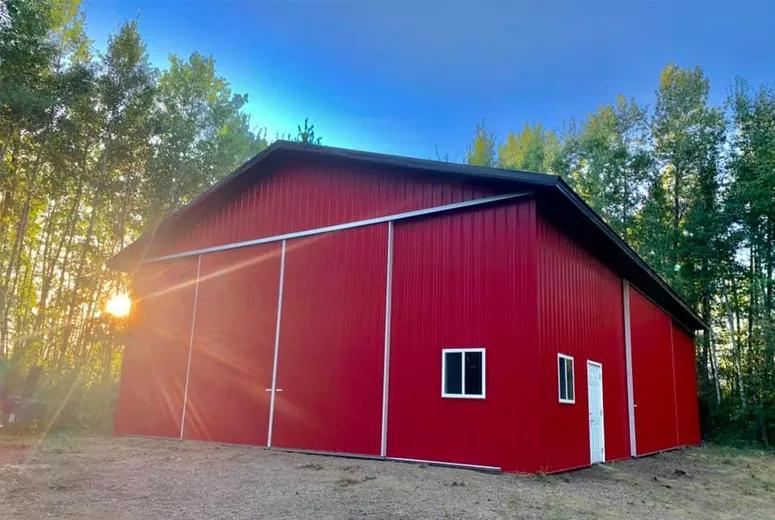
The capabilities are extensive, ranging from industrial warehouses, workshops, and storage sheds to specialized agricultural structures like poultry sheds and even prefabricated steel houses.
How do you ensure the cost-effectiveness of the materials?
We incorporate best practices for the inventory and purchase of raw materials. By optimizing our supply chain and leveraging advanced integration concepts, we reduce waste and procurement costs, passing those savings on to our clients.
Can the building be expanded in the future?
Yes, one of the primary advantages of steel structure engineering is modularity. Our designs allow for the addition of further sections or bays, enabling your facility to grow alongside your business operations.
Industry Standards and Technical References
- American Institute of Steel Construction (AISC) Standards
- ISO Quality Management Systems for Manufacturing
- Metal Building Manufacturers Association (MBMA) Guidelines
- European Standards for Steel Structure Design (Eurocodes)
Investing in a precision-engineered steel structure is a strategic decision for any growing business. By combining expert design, factory-direct manufacturing, and professional installation, you ensure a facility that is not only durable and safe but also a scalable asset for your future operations.
Related Industrial Insights