Explore Durable and Customizable Metal Garage Living Quarters Solutions
Feb . 11, 2026 02:15 Back to list
Metal Garage Living Quarters: A Comprehensive Guide
Are you looking for a durable, cost-effective, and customizable living space? Metal garage living quarters are gaining popularity as a versatile solution for various needs, from guest houses and home offices to full-time residences. This article will explore the benefits, considerations, and options available when investing in a metal building for living. We’ll delve into design choices, building codes, and how to make your metal garage a comfortable and functional home. Discover how Hongjishunda can help bring your vision to life.
Why Choose Metal for Your Living Space?
Metal buildings offer several advantages over traditional construction methods. They are incredibly durable, resistant to fire, pests, and weather damage. Their construction is also generally faster and more cost-effective. Specifically for metal garage living quarters, the open-span design provides flexibility in layout and customization. You can easily incorporate living areas, bedrooms, bathrooms, and kitchens without the need for load-bearing interior walls. Furthermore, metal is a recyclable material, making it an environmentally conscious choice.
Key Benefits: Durability, cost-effectiveness, speed of construction, design flexibility, and environmental friendliness.
Designing Your Metal Garage Living Quarter
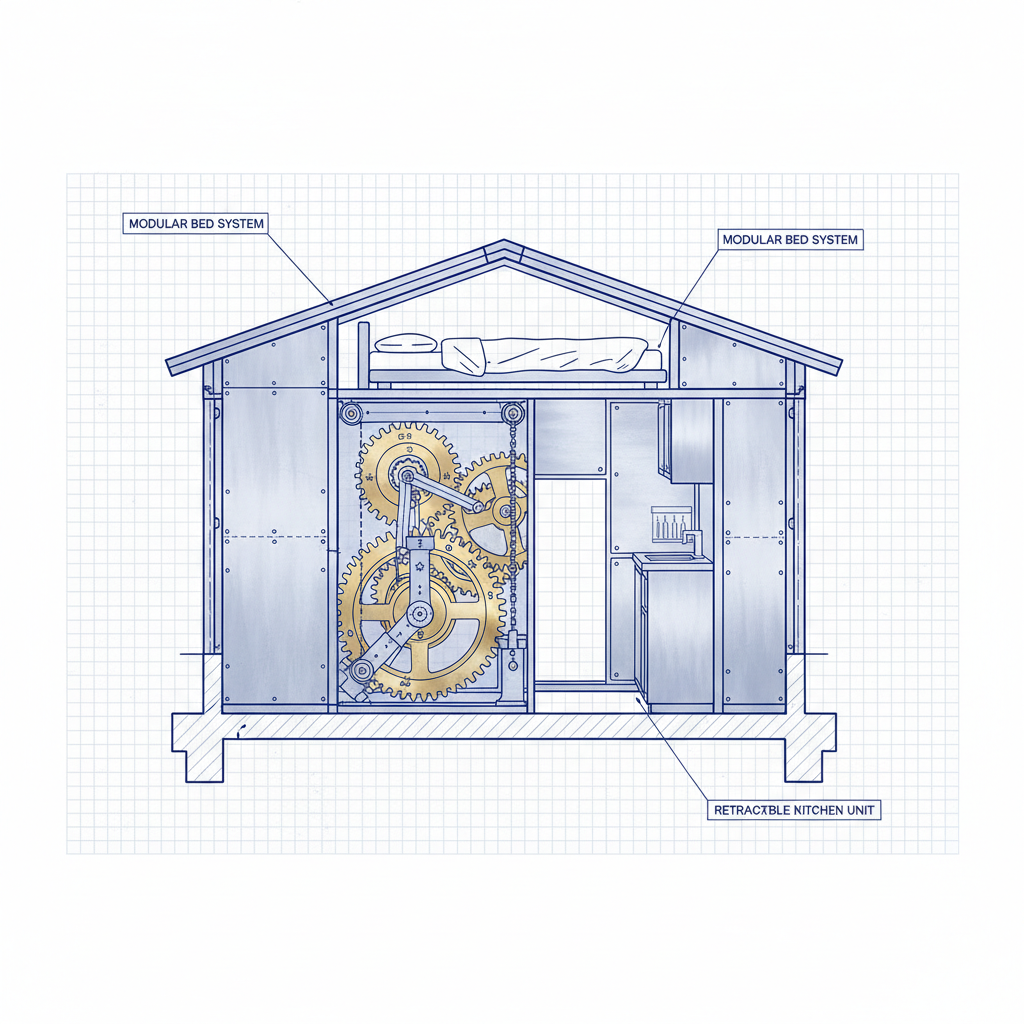
Careful planning is crucial when designing your metal living space. Consider your needs and how you intend to use the space. Will it be a guest house, a home office, a workshop with living accommodation, or a full-time residence? Factors like insulation, ventilation, plumbing, and electrical systems must be carefully considered. Hongjishunda offers a variety of customization options to meet your specific requirements, including different roof styles, door placements, and window options. Proper insulation is vital for climate control and energy efficiency.
Design Considerations:
• Insulation (spray foam, fiberglass, or rigid foam)
• Ventilation (exhaust fans, windows, and HVAC systems)
• Plumbing (water supply, drainage, and fixtures)
• Electrical (wiring, outlets, and lighting)
Metal Garage Living Quarters vs. Traditional Homes
Compared to traditional wood-framed homes, metal garage living quarters offer distinct advantages in terms of cost, durability, and speed of construction. While the initial aesthetic might differ, metal buildings can be finished with siding, paint, and other materials to achieve a desired look. They also require less maintenance over time, saving you money and effort. The flexibility in design also allows for easier modifications and expansions in the future.
Building Codes and Permits for Metal Garage Living Quarters
Before starting any construction, it's essential to check local building codes and obtain the necessary permits. Regulations vary significantly depending on your location. Factors such as foundation requirements, insulation standards, and electrical and plumbing inspections will likely be involved. Hongjishunda can provide guidance on meeting local codes and can work with you to ensure your project complies with all requirements. Ignoring these regulations can lead to costly delays and potential legal issues.
Hongjishunda: Your Partner in Building Your Dream Living Space
At Hongjishunda, we specialize in providing high-quality metal buildings, including customizable metal garage living quarters. We offer a wide range of sizes, styles, and options to fit your needs and budget. Our experienced team can assist you with every step of the process, from design and permitting to installation and finishing. We are committed to providing exceptional customer service and ensuring your complete satisfaction.
Conclusion: Embrace the Freedom of Metal Living
Investing in a metal garage living quarter from Hongjishunda offers a practical, durable, and customizable solution for a variety of living needs. From guest houses to full-time residences, the benefits of metal construction are clear. Contact us today to discuss your project and let us help you create the living space of your dreams!
Frequently Asked Questions (FAQs)
What is the typical cost of a metal garage living quarter?
The cost varies significantly depending on size, features, and location. A basic shell can start around $20,000, while a fully finished living quarter with plumbing, electrical, and insulation can range from $40,000 to $100,000 or more. Factors such as foundation type, interior finishes, and permitting fees all contribute to the overall cost. Hongjishunda provides detailed quotes based on your specific requirements. It's always best to get a customized estimate for accurate pricing.
How long does it take to build a metal garage living quarter?
Construction time depends on the size and complexity of the project. A basic shell can typically be erected in a few weeks, while a fully finished living quarter can take 2-3 months or longer. Permitting processes can also add to the timeline. Hongjishunda provides realistic timelines based on your project scope and local regulations.
Can I customize the exterior appearance of my metal building?
Absolutely! Metal buildings are incredibly versatile in terms of aesthetics. You can choose from a variety of siding options, colors, and roof styles. You can also add features like windows, doors, and trim to create a customized look that complements your property. Hongjishunda offers a wide range of customization options to help you achieve your desired aesthetic.
What type of foundation is required for a metal garage living quarter?
The foundation requirements depend on the size and weight of the building, as well as local soil conditions. Common foundation types include concrete slabs, concrete piers, and full basements. It's crucial to consult with a structural engineer to determine the appropriate foundation for your specific project and location. Proper foundation is essential for the stability and longevity of the building.
-
Complete Guide to Metal Garage with Apartment Cost and Budgeting
NewsApr.16,2026
-
Understanding Metal Garage Cost and Complete Investment Guide
NewsApr.09,2026
-
Understanding the Cost to Build a Metal Garage for Your Property
NewsApr.07,2026
-
Understanding the Cost of Metal Garage Building and Factors to Consider
NewsApr.04,2026
-
Understanding the Cost of a 20x30 Metal Garage and Key Considerations
NewsMar.31,2026
-
Understanding the Cost for Metal Garage Construction and Installation
NewsMar.28,2026
Products categories
Our Latest News
We have a professional design team and an excellent production and construction team.