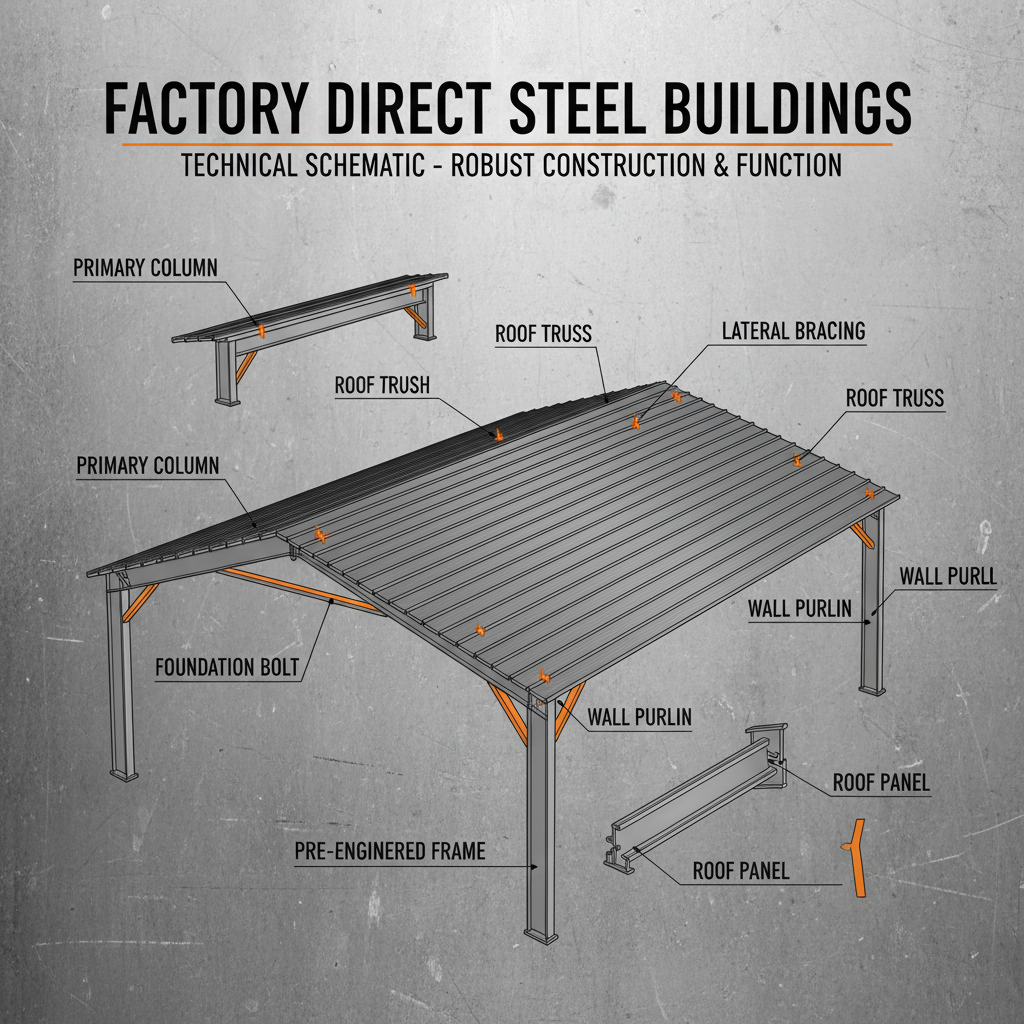
Prefabricated industrial buildings represent a transformative approach to construction, offering speed, efficiency, and cost-effectiveness in a rapidly evolving global landscape. This method involves manufacturing building components off-site, in a controlled factory environment, and then assembling them on location. This contrasts sharply with traditional, on-site construction, and is becoming increasingly vital for addressing the growing demand for industrial space worldwide. prefabricated industrial buildings are no longer a niche solution; they are a mainstream method for modern development.
The relevance of prefabricated industrial buildings extends beyond mere construction speed. They directly address challenges in infrastructure development, particularly in regions experiencing rapid industrialization or facing post-disaster recovery needs. The United Nations Industrial Development Organization (UNIDO) emphasizes the importance of sustainable industrialization, and prefabricated construction aligns with these goals by minimizing waste and environmental impact. Furthermore, the World Bank acknowledges the critical role of infrastructure in economic growth, and prefabricated buildings provide a scalable and affordable solution to bridge infrastructure gaps.
Understanding the nuances of prefabricated industrial buildings is paramount for architects, engineers, developers, and policymakers alike. The benefits – reduced construction time, lower costs, improved quality control, and increased sustainability – are substantial and far-reaching. Embracing this technology is crucial for fostering economic growth, meeting infrastructure demands, and promoting a more sustainable future.
Introduction: Global or Industry Context
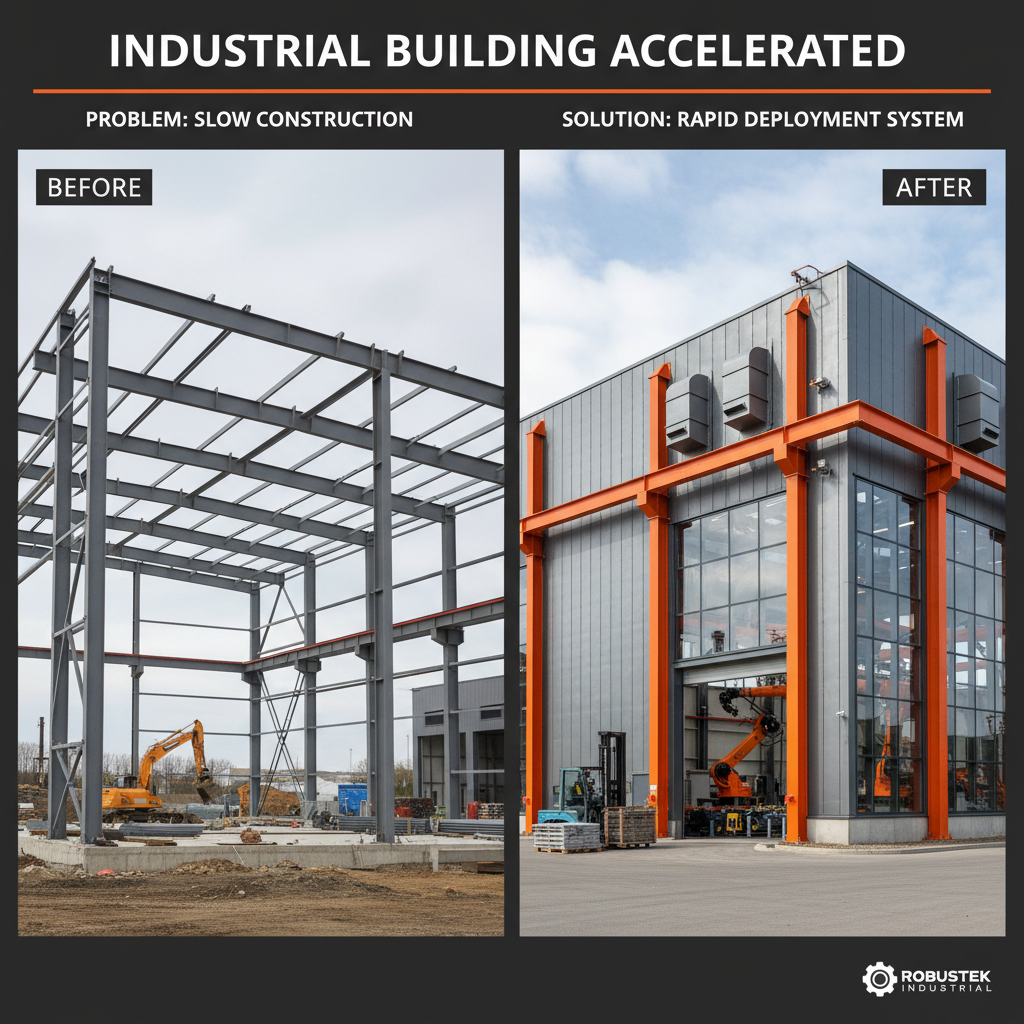
The demand for industrial space is booming globally, driven by factors such as e-commerce growth, reshoring initiatives, and the increasing need for robust supply chains. Traditional construction methods often struggle to keep pace with this demand, leading to delays, cost overruns, and quality control issues. This is where prefabricated industrial buildings offer a compelling alternative. Their ability to drastically reduce construction timelines—often by as much as 50%—makes them an invaluable asset for businesses seeking rapid expansion or needing to quickly establish operations in new locations.
This trend isn't limited to developed nations. Emerging economies, with their rapid industrialization, are also increasingly turning to prefabricated solutions to address their infrastructure deficits. The affordability and scalability of prefabricated buildings make them particularly well-suited for these markets. Furthermore, the emphasis on sustainable development is driving adoption, as prefabricated construction generates less waste and utilizes materials more efficiently than conventional methods. prefabricated industrial buildings are quickly becoming the standard for efficient and sustainable industrial development.
Definition & Meaning
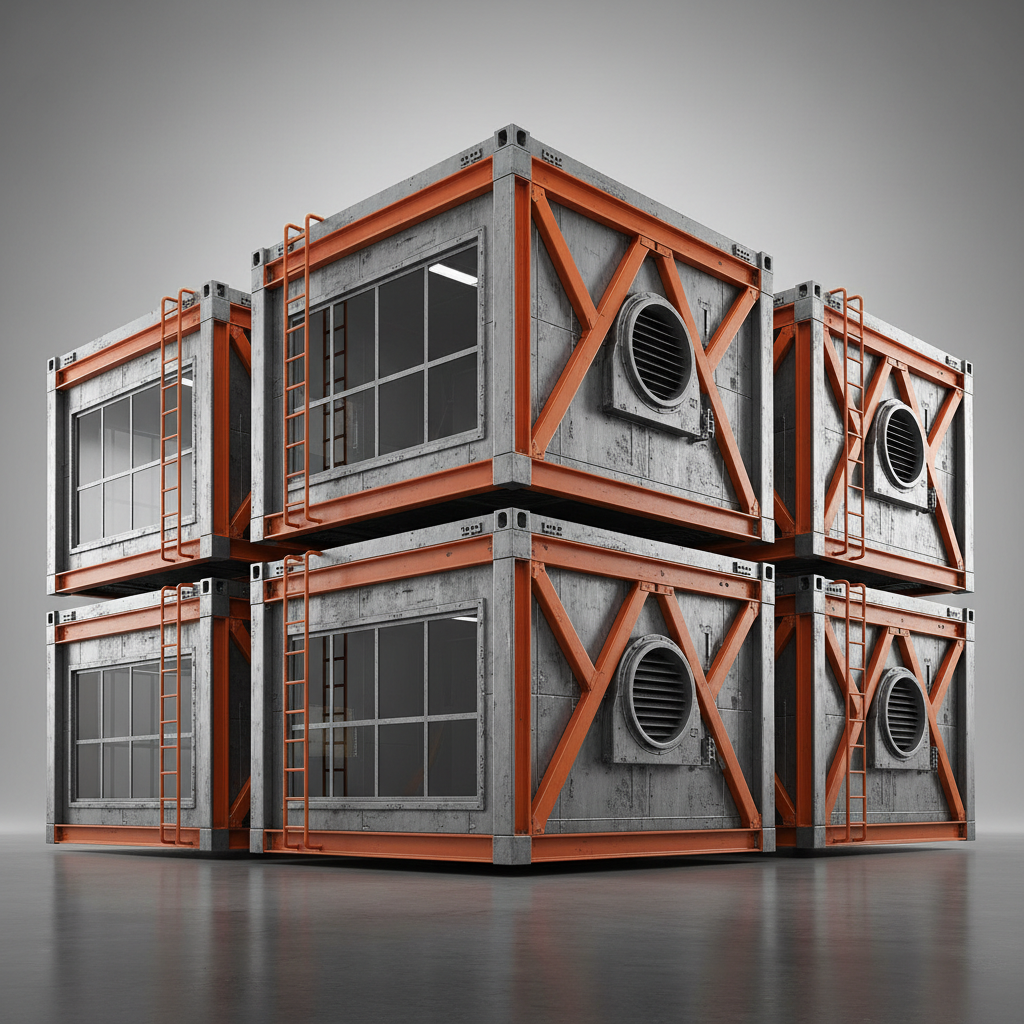
Prefabricated industrial buildings, at their core, are structures constructed from components manufactured in a factory-controlled setting and then assembled on-site. This differs significantly from traditional construction, where the majority of work is performed directly at the building location. These components can range from entire building modules to structural elements like walls, roofs, and floors. The level of prefabrication can vary, from simple panelized systems to fully modular buildings that are essentially pre-assembled boxes ready for connection.
The connection to modern industry is undeniable. Prefabrication embodies the principles of lean manufacturing, prioritizing efficiency, quality control, and waste reduction. By shifting the construction process to a factory environment, it enables greater precision, reduces reliance on skilled labor at the site, and minimizes disruptions caused by weather or other external factors. This makes prefabricated construction a crucial element in streamlining industrial development and ensuring project success.
In humanitarian contexts, prefabricated buildings offer rapid deployment solutions for temporary shelters, medical facilities, and disaster relief centers. This speed and scalability are vital in emergency situations, allowing for immediate provision of essential infrastructure where traditional construction would be too slow and costly.
Key Factors or Core Components
Durability: Prefabricated industrial buildings are engineered to meet or exceed industry standards for structural integrity and longevity. High-quality materials, combined with precise manufacturing processes, result in buildings that are resistant to weathering, seismic activity, and other environmental factors. This ensures a long service life and minimizes maintenance costs.
Scalability: One of the key advantages of prefabricated construction is its inherent scalability. Buildings can be easily expanded or reconfigured to accommodate changing business needs. Modules can be added or removed with relative ease, making it a flexible solution for growing companies or those operating in dynamic industries. This adaptability is a significant cost saving over traditional construction.
Cost Efficiency: While the initial investment may seem comparable to traditional construction, prefabricated buildings often prove more cost-effective in the long run. Reduced construction time translates to lower labor costs and faster return on investment. Furthermore, the precision of manufacturing minimizes material waste and rework, contributing to overall cost savings.
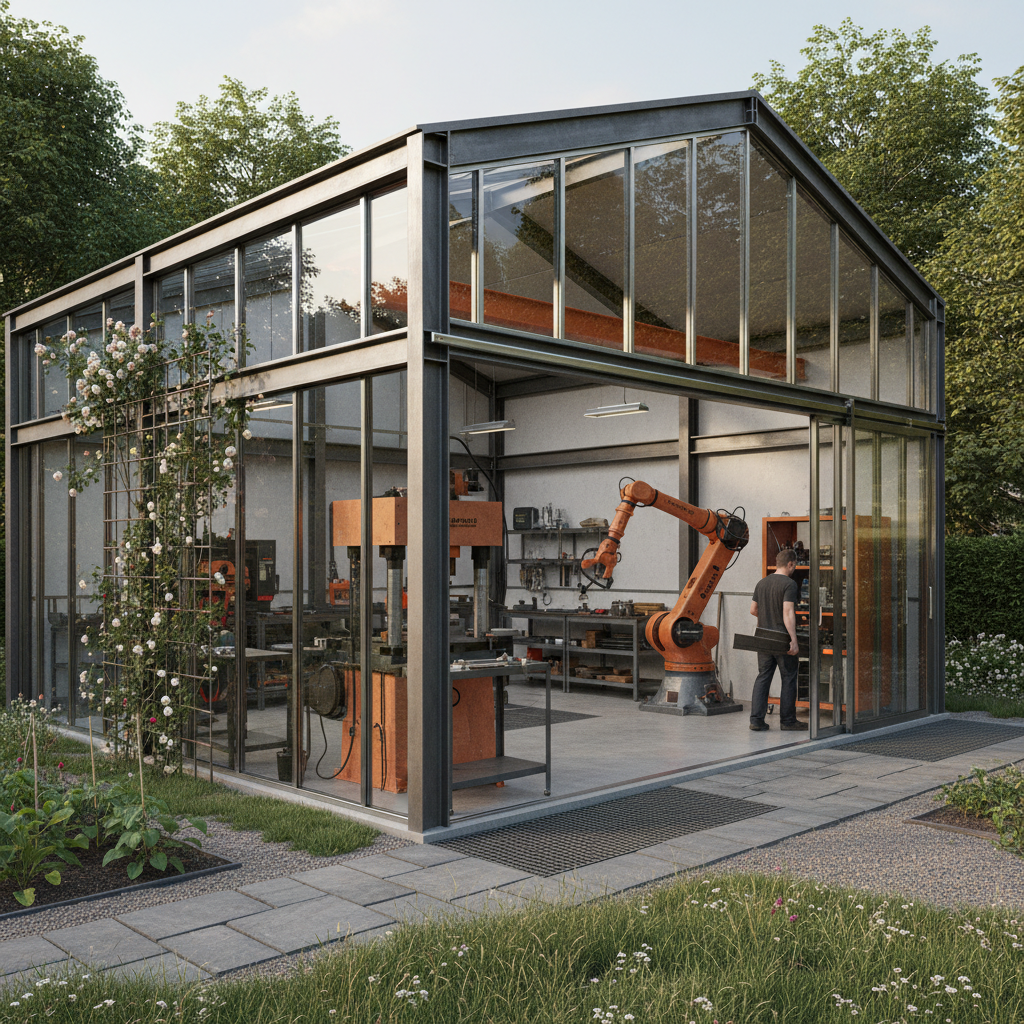
Design Flexibility: Prefabricated industrial buildings aren’t limited to cookie-cutter designs. Modern technologies allow for a high degree of customization, enabling architects and engineers to create buildings that meet specific functional and aesthetic requirements.
Sustainability: Prefabrication promotes sustainable construction practices by reducing waste, conserving resources, and minimizing environmental impact. The controlled factory environment allows for efficient material usage and recycling.
Quality Control: Factory production enables rigorous quality control measures throughout the manufacturing process, ensuring consistent quality and adherence to specifications.
Global Applications & Use Cases
Prefabricated industrial buildings are being deployed across a diverse range of industries and geographic locations. In the logistics sector, they provide efficient warehousing and distribution facilities. Manufacturing companies utilize them for production plants and assembly lines. Data centers benefit from the speed and precision of prefabricated construction, allowing for rapid deployment of critical infrastructure.
In post-disaster relief operations, prefabricated shelters and medical facilities offer immediate assistance to affected communities. Organizations like the Red Cross and Doctors Without Borders increasingly rely on these solutions for their rapid deployment capabilities. In remote industrial zones, such as mining operations in Australia or oil and gas facilities in Canada, prefabricated buildings provide cost-effective and readily deployable accommodation and support infrastructure.
Furthermore, countries like China and Japan are leading the way in prefabricated construction, driven by government initiatives to promote sustainable building practices and address housing shortages. Europe is also experiencing growing demand, particularly for industrial facilities and data centers. prefabricated industrial buildings are truly a global solution.
Prefabricated Industrial Buildings Application Ratings by Sector
Advantages & Long-Term Value
The advantages of prefabricated industrial buildings extend far beyond simple cost savings and speed of construction. They offer tangible benefits in terms of sustainability, reducing material waste and energy consumption. The controlled factory environment allows for precise material usage and the incorporation of eco-friendly materials. Socially, prefabricated buildings can provide safe and dignified working environments, particularly in challenging locations.
From a reliability standpoint, the precision of manufacturing and rigorous quality control result in buildings that are structurally sound and resistant to the elements. This translates to lower maintenance costs and a longer service life. Moreover, the transparency and predictability of the prefabricated construction process foster trust between developers, contractors, and clients. prefabricated industrial buildings are a responsible and reliable investment.
Logically, the reduced project timelines allow businesses to start generating revenue sooner. Emotionally, the knowledge that a project is being built sustainably and ethically enhances brand reputation and fosters a sense of pride among stakeholders.
Future Trends & Innovations
The future of prefabricated industrial buildings is poised for significant innovation. Integration with Building Information Modeling (BIM) and digital twin technologies will further optimize design, construction, and operation. The use of advanced materials, such as cross-laminated timber (CLT) and recycled plastics, will enhance sustainability and reduce environmental impact.
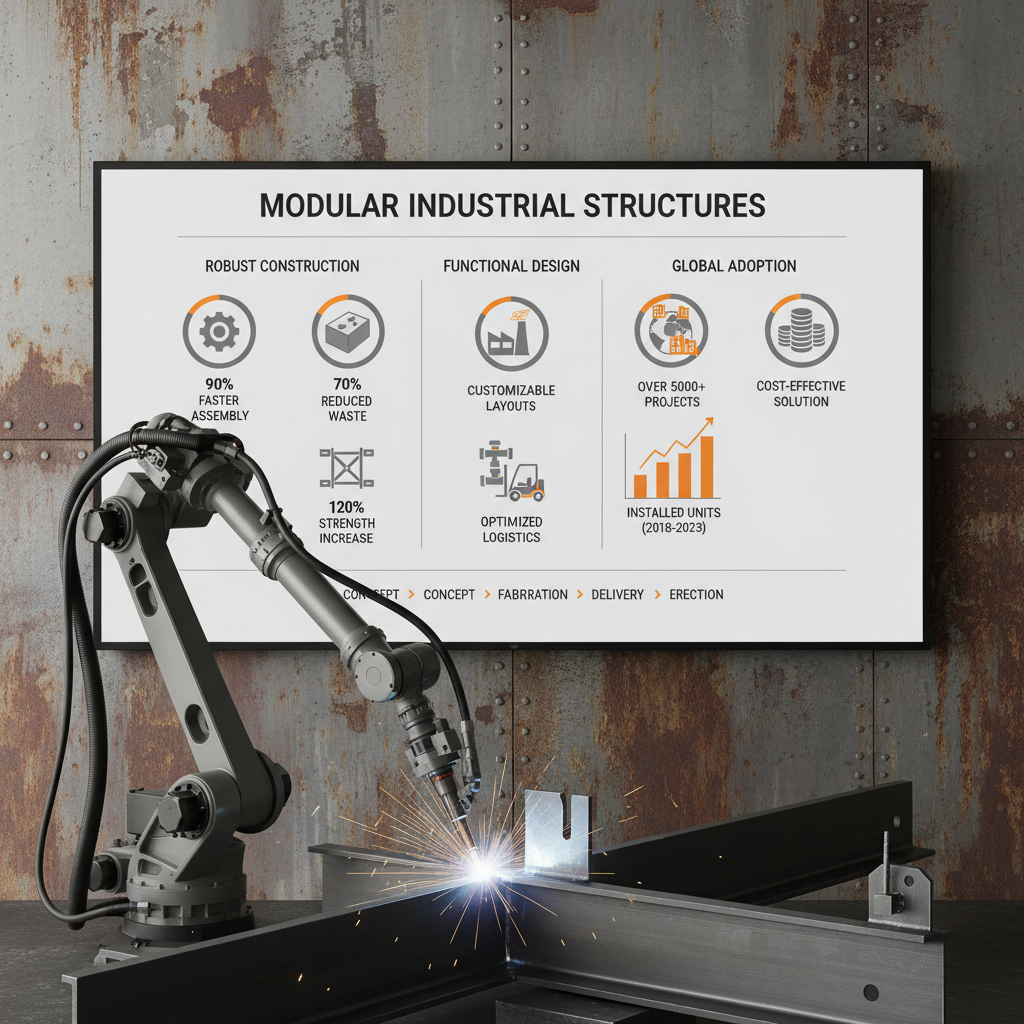
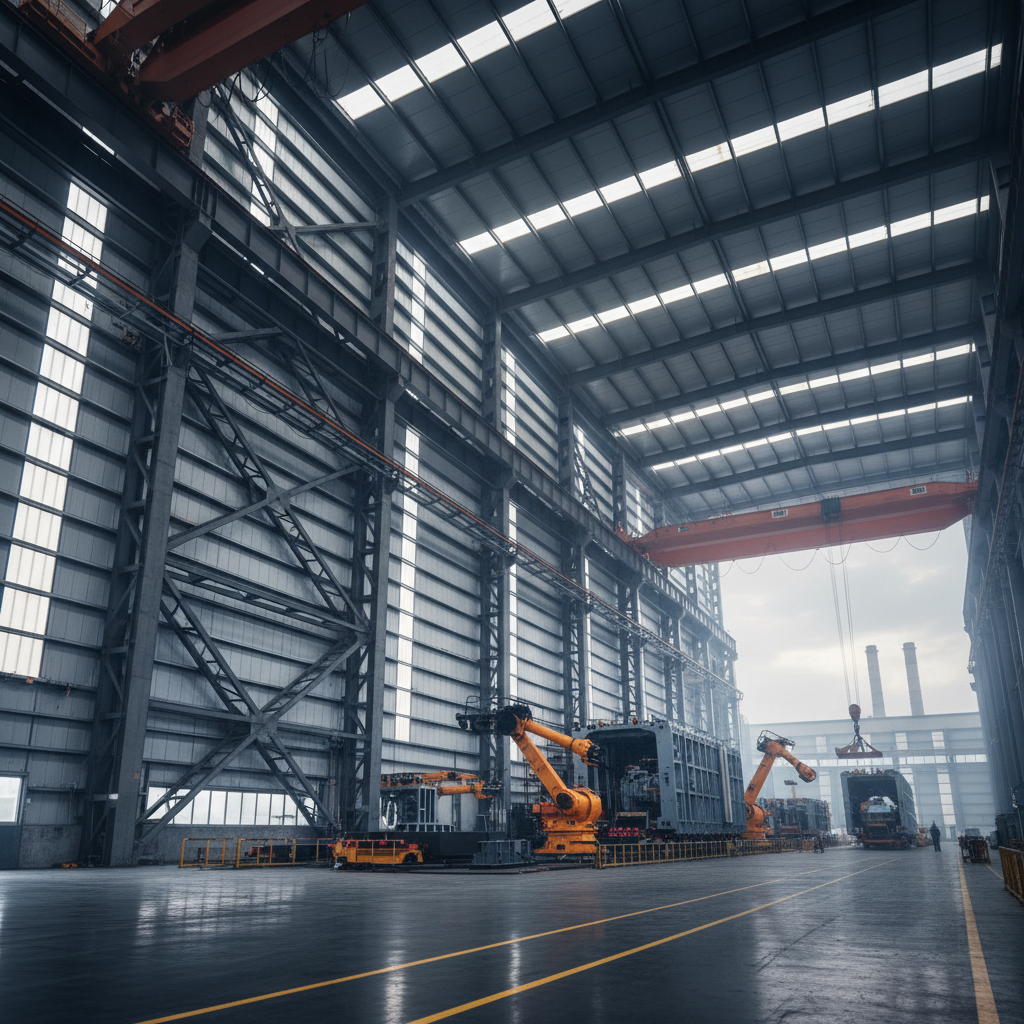
Automation and robotics are playing an increasingly prominent role in the manufacturing process, increasing efficiency and reducing labor costs. The incorporation of smart building technologies – including IoT sensors, energy management systems, and automated controls – will optimize building performance and enhance occupant comfort. Expect increased focus on modularity and flexible design to adapt to changing industrial needs.
Challenges & Solutions
Despite the numerous advantages, prefabricated industrial buildings face certain challenges. Transportation logistics can be complex, especially for large or oversized modules. Permitting and regulatory hurdles can also slow down the process, as building codes are often geared towards traditional construction methods.
Addressing these challenges requires proactive planning, collaboration with local authorities, and the development of standardized building codes that accommodate prefabricated construction. Investing in specialized transportation equipment and employing skilled logistics professionals are crucial for efficient delivery. Furthermore, demonstrating the quality and safety of prefabricated buildings through rigorous testing and certification can help build trust and overcome regulatory barriers.
To overcome material cost fluctuations, long-term supply chain agreements and exploring alternative, locally sourced materials can mitigate risks.
Summary of Challenges and Solutions in Prefabricated Industrial Buildings
| Challenge Area |
Specific Challenge |
Potential Solution |
Implementation Difficulty (1-5, 5=High) |
| Logistics & Transportation |
Transporting oversized modules |
Specialized transport & route planning |
3 |
| Regulatory & Permitting |
Outdated building codes |
Advocacy for code revisions |
4 |
| Material Costs |
Fluctuating raw material prices |
Long-term contracts & local sourcing |
2 |
| Skilled Labor |
Shortage of trained installers |
Training programs & certification |
3 |
| Design Perception |
Misconceptions about design limitations |
Showcasing flexible design options |
2 |
| Initial Investment |
Higher upfront costs for factory setup |
Phased investment & strategic partnerships |
4 |
FAQS
Prefabricated industrial buildings offer several key advantages, including faster construction timelines, reduced labor costs, improved quality control, and increased sustainability. The off-site manufacturing process minimizes waste and disruption, leading to a more efficient and cost-effective building solution. This also allows for greater precision and adherence to design specifications, resulting in a higher quality finished product.
The quality of prefabricated buildings is often superior to that of traditionally built structures. The controlled factory environment allows for rigorous quality control measures throughout the manufacturing process. This includes precise material handling, automated assembly techniques, and consistent inspection procedures. Furthermore, the use of high-quality materials and adherence to industry standards ensure structural integrity and long-term durability.
Absolutely. Modern prefabricated construction is highly customizable. While standardization offers efficiency, the design process allows for a wide range of options, including different sizes, layouts, finishes, and structural configurations. Building Information Modeling (BIM) and advanced design software enable architects and engineers to create buildings that precisely meet the functional and aesthetic requirements of the client.
The lifespan of a prefabricated industrial building is comparable to that of a traditionally built structure, often exceeding 50 years with proper maintenance. The durability of the materials used, combined with the precision of the manufacturing process, ensures structural integrity and resistance to weathering. Regular inspections and preventative maintenance will further extend the building's lifespan.
Prefabrication significantly reduces environmental impact through several mechanisms. The controlled factory environment minimizes material waste, and allows for efficient resource utilization. Furthermore, the precision of manufacturing reduces the need for rework and on-site alterations. The use of sustainable materials, such as recycled content and renewable resources, further enhances the environmental performance of prefabricated buildings.
Transporting prefabricated components requires careful planning and coordination. Oversized modules may necessitate specialized transportation equipment and route surveys. Site preparation is crucial to ensure a level foundation and adequate access for delivery and assembly. Skilled installation crews are essential to ensure proper connection and integration of the components, adhering to strict quality control standards.
Conclusion
In conclusion, prefabricated industrial buildings represent a paradigm shift in construction, offering a compelling combination of speed, efficiency, sustainability, and cost-effectiveness. They address the growing demands of a rapidly evolving global landscape, providing solutions for a wide range of industries and applications. From accelerating project timelines to minimizing environmental impact, the benefits are undeniable.
Looking ahead, continued innovation in materials, automation, and digital technologies will further enhance the capabilities of prefabricated construction. Embracing this technology is not merely a matter of adopting a new building method, but of investing in a more sustainable, resilient, and efficient future. To learn more about how prefabricated industrial buildings can benefit your project, visit our website today.