The Durability of Factory Steel Buildings
Sep . 17, 2025 16:53 Back to list
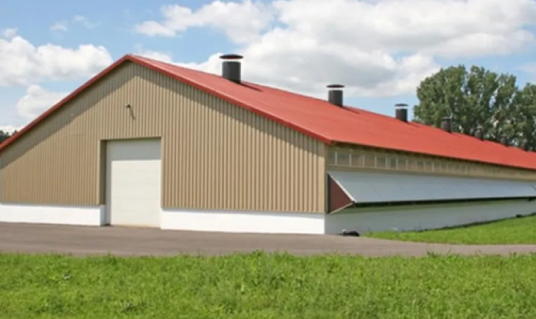
Factory steel buildings have become the backbone of industrial infrastructure—valued for their strength, flexibility, and long service life. Unlike traditional concrete or wood structures, factory direct steel buildings (manufactured and supplied directly by specialized firms) offer unmatched durability, withstanding heavy machinery loads, harsh weather, and daily industrial wear. For wholesalers serving manufacturing, logistics, or industrial clients, partnering with a provider that delivers high-quality, durable factory steel buildings is essential. Hebei Hongji Shunda Steel Structure Engineering Co., Ltd., founded in 2000 with a 107,000-square-meter facility, stands out as a trusted expert: specializing in the design, manufacture, and installation of steel structure factory building (including workshops, warehouses, and storage sheds), their professional teams ensure every structure is built for longevity. This article explores the key factors that drive the durability of factory steel buildings, highlights the advantages of factory direct steel buildings, and why Hongji Shunda’s offerings are a top choice for wholesalers seeking reliable, long-lasting industrial solutions.
Material Quality as the Foundation of Factory Steel Buildings Durability
- High-Grade Steel for Factory Steel Buildings: The durability of factory steel buildings starts with the steel itself—Hongji Shunda uses high-tensile structural steel (Q345B or equivalent) with a minimum yield strength of 345 MPa. This steel resists deformation under heavy loads (e.g., industrial machinery, storage racks) and maintains its integrity even in extreme temperatures (-30°C to 60°C). Unlike low-grade steel that rusts or bends over time, high-grade steel ensures factory steel buildings retain their structural stability for 50+ years. For wholesalers, this material quality translates to a selling point: clients get structures that require minimal repairs, reducing their long-term costs. Hongji Shunda also provides material certification (e.g., mill test reports) for every batch of steel, giving wholesalers and their clients confidence in the building’s durability.
- Anti-Corrosion Treatments for Factory Direct Steel Buildings: Factory direct steel buildings are exposed to moisture, chemicals, and industrial pollutants—so anti-corrosion treatments are critical to extending their lifespan. Hongji Shunda applies a multi-layer protection system: hot-dip galvanization (zinc coating 85–100 μm thick) to steel components, followed by a weather-resistant paint (polyester or polyurethane) that resists fading and chemical damage. This treatment prevents rust formation, even in humid or coastal industrial areas. For example, a factory building in a coastal region with Hongji Shunda’s anti-corrosion treatment will show no signs of rust after 10 years, compared to unprotected steel that rusts within 2–3 years. Wholesalers can emphasize this to clients in harsh environments: anti-corrosion treatments eliminate the need for frequent repainting or component replacement, making factory direct steel buildings a cost-effective investment.
Design Engineering Enhancing Factory Steel Buildings Durability
- Structural Design for Load-Bearing Durability of Factory Building: Factory building durability depends on thoughtful structural design that accounts for industrial-specific stresses. Hongji Shunda’s design team uses advanced software to model load distribution—calculating live loads (machinery, workers), dead loads (building materials), and environmental loads (wind, snow) with a safety factor of 1.2–1.5. For example, a factory steel building designed for heavy manufacturing will have reinforced steel columns (spacing 6–9m) and trusses (with extra bracing) to support 10–15 kN/m² of floor load. This design prevents sagging, bending, or structural failure, even when the building is fully equipped with industrial equipment. For wholesalers, this engineering expertise means clients get structures tailored to their operational needs—no one-size-fits-all solutions that compromise durability.
- Flexibility in Design for Future Adaptations of Factory Steel Buildings: Durable factory steel buildings should adapt to changing industrial needs (e.g., adding new machinery, expanding production lines) without structural modifications. Hongji Shunda’s designs include modular steel frames that allow easy expansion—additional bays can be added to the building without weakening the existing structure. They also design wide-span interiors (up to 30m) with no supporting columns, giving clients flexibility to rearrange equipment. For example, a factory direct steel building for automotive parts manufacturing can be expanded by 50% within weeks, using matching steel components supplied by Hongji Shunda. Wholesalers can highlight this flexibility: it extends the building’s useful life, as clients don’t need to build new structures when their operations grow.
Durability Comparison: Factory Steel Buildings vs. Traditional Structures
|
Structure Type |
Service Life |
Resistance to Industrial Stresses |
Maintenance Requirements |
Hongji Shunda Factory Steel Building Advantage |
|
Factory Steel Buildings |
50–75 years |
High (handles heavy loads, corrosion) |
Annual inspections; repaint every 10 years |
Modular design; anti-corrosion treatment |
|
Concrete Factory Buildings |
30–40 years |
Medium (prone to cracking, chemical damage) |
Frequent crack repairs; waterproofing every 5 years |
No cracking; resistant to industrial chemicals |
|
Wood Factory Buildings |
15–20 years |
Low (rot, pest damage, fire risk) |
Quarterly pest control; annual sealing |
Fire-resistant; no pest damage |
Manufacturing and Installation Quality for Factory Direct Steel Buildings
- Precision Manufacturing of Factory Direct Steel Buildings: Factory direct steel buildings benefit from off-site precision manufacturing—Hongji Shunda produces steel components (columns, trusses, beams) in their controlled factory environment, using CNC cutting and welding equipment. This ensures every component has consistent dimensions (tolerance ±1mm) and strong welds (tested to meet AWS D1.1 standards), avoiding the inconsistencies of on-site fabrication. For example, a steel truss manufactured in Hongji Shunda’s factory will fit perfectly with other components during installation, reducing gaps that could weaken the structure. For wholesalers, this precision means faster on-site assembly (30–50% quicker than traditional construction) and fewer installation errors—critical for meeting client project timelines and ensuring long-term durability.
- Professional Installation of Factory Steel Buildings: Even the highest-quality steel components need proper installation to maximize durability. Hongji Shunda’s construction team has decades of experience installing factory steel buildings, following strict guidelines: proper anchoring of columns to concrete foundations (using high-strength bolts), precise alignment of trusses (to avoid uneven load distribution), and thorough inspection of welds post-installation. They also use specialized lifting equipment to handle heavy components safely, preventing damage during installation. For wholesalers, professional installation eliminates “installation-related” durability issues (e.g., loose bolts, misaligned frames) that could lead to client complaints. Hongji Shunda also provides a 10-year installation warranty, giving wholesalers and clients added peace of mind.
Factory Steel Buildings FAQS
How Long Do Factory Steel Buildings Typically Last with Proper Maintenance?
With proper maintenance, factory steel buildings from Hongji Shunda have a service life of 50–75 years—far longer than concrete (30–40 years) or wood (15–20 years) structures. Key maintenance steps include annual inspections (checking for corrosion or loose bolts), repainting every 10 years (to refresh anti-corrosion protection), and cleaning steel surfaces of industrial debris. For wholesalers, this long lifespan is a major selling point: clients get a structure that supports their business for decades, reducing the need for costly replacements. Hongji Shunda also provides a maintenance checklist to help clients extend the building’s life, making wholesalers more valuable partners.
Can Factory Direct Steel Buildings Withstand Extreme Weather Conditions?
Yes—factory direct steel buildings from Hongji Shunda are engineered to withstand extreme weather. Their steel components resist high winds (up to 120 km/h, with wind bracing added for hurricane-prone areas) and heavy snow loads (up to 1.5 kN/m², with reinforced trusses). The anti-corrosion treatment also protects against salt spray in coastal areas and moisture in humid regions. For example, a factory steel building in a northern region will support heavy snowfall without roof collapse, while one in a coastal area will resist rust from saltwater. Wholesalers can assure clients in harsh climates that these buildings are weatherproof, minimizing downtime from weather-related damage.
Are Factory Steel Buildings Customizable to Specific Industrial Needs?
Absolutely—Hongji Shunda’s factory steel buildings are fully customizable to meet specific industrial needs. Clients can choose dimensions (width, length, height), door/window placements (for equipment access or ventilation), and floor load capacity (for heavy machinery). For example, a factory building for electronics manufacturing can be designed with high ceilings (8–10m) and 防静电 flooring, while one for logistics can have large overhead doors (4x5m) for truck access. Wholesalers can work with clients to share their requirements, and Hongji Shunda’s design team will create a tailored solution. This customization ensures the building supports the client’s operations, enhancing its long-term value.
Do Factory Direct Steel Buildings Require Less Maintenance Than Concrete Buildings?
Yes—factory direct steel buildings require significantly less maintenance than concrete buildings. Concrete buildings need frequent crack repairs (due to settling or temperature changes) and waterproofing every 5 years, while factory steel buildings only need annual inspections and repainting every 10 years. Steel also doesn’t rot, attract pests, or require sealing—further reducing maintenance tasks. For wholesalers, this low maintenance is a key advantage for clients with limited maintenance budgets: it cuts ongoing costs and frees up resources for core operations.
Where Can Wholesalers Source High-Quality Factory Steel Buildings?
Hebei Hongji Shunda Steel Structure Engineering Co., Ltd. is a trusted supplier of high-quality factory steel buildings and factory building solutions. With 20+ years of experience, a large manufacturing facility, and professional design/construction teams, they deliver durable, customizable structures that meet industrial needs.
-
Complete Guide to Metal Garage with Apartment Cost and Budgeting
NewsApr.16,2026
-
Understanding Metal Garage Cost and Complete Investment Guide
NewsApr.09,2026
-
Understanding the Cost to Build a Metal Garage for Your Property
NewsApr.07,2026
-
Understanding the Cost of Metal Garage Building and Factors to Consider
NewsApr.04,2026
-
Understanding the Cost of a 20x30 Metal Garage and Key Considerations
NewsMar.31,2026
-
Understanding the Cost for Metal Garage Construction and Installation
NewsMar.28,2026
Products categories
Our Latest News
We have a professional design team and an excellent production and construction team.