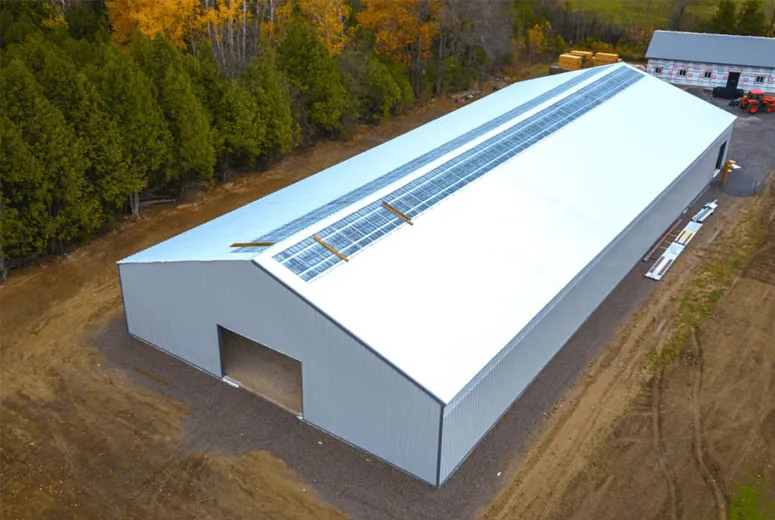
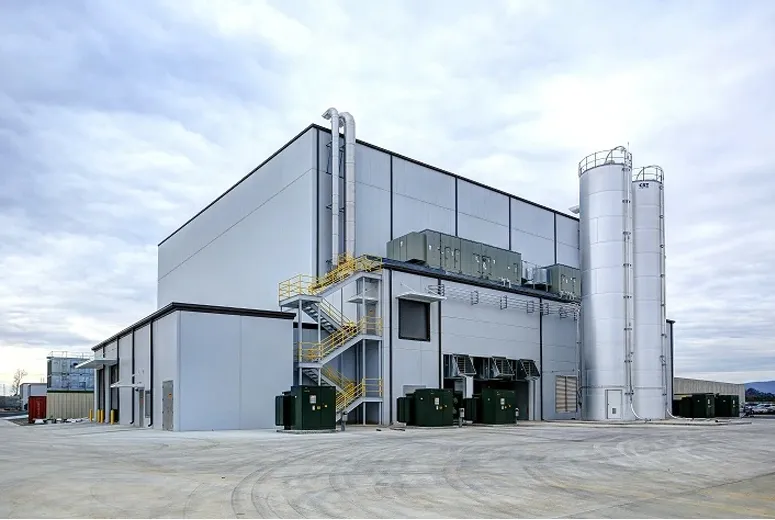
High-Performance Steel Structure Warehouse Solutions for Peru's Industrial Growth

Engineering durable, seismic-resistant, and cost-effective industrial facilities tailored for the unique geographical demands of the Peruvian market.

High-Performance Steel Structure Warehouse Solutions for Peru's Industrial Growth

Providing Peru with world-class structural engineering to optimize supply chains, mining logistics, and manufacturing capacity through advanced steel frameworks.

Current State of Industrial Construction in Peru

Analyzing the intersection of seismic activity and industrial expansion in the Andean region.

Peru's industrial landscape is characterized by a high demand for rapid expansion in the mining and agricultural sectors. However, the region's placement on the Pacific Ring of Fire necessitates that every industrial building be engineered with strict adherence to seismic codes to prevent catastrophic failure during earthquakes.

In coastal cities like Callao and Lima, the humid, saline environment poses a significant corrosion risk to traditional steel. This has led to a market shift toward high-grade galvanized coatings and advanced anti-corrosive treatments for every steel workshop to ensure structural longevity.

Economically, the push toward "Smart Logistics" in Peru is driving the adoption of large-span structures. Businesses are moving away from fragmented concrete blocks toward unified workshop steel structure designs that allow for flexible interior layouts and faster installation timelines.
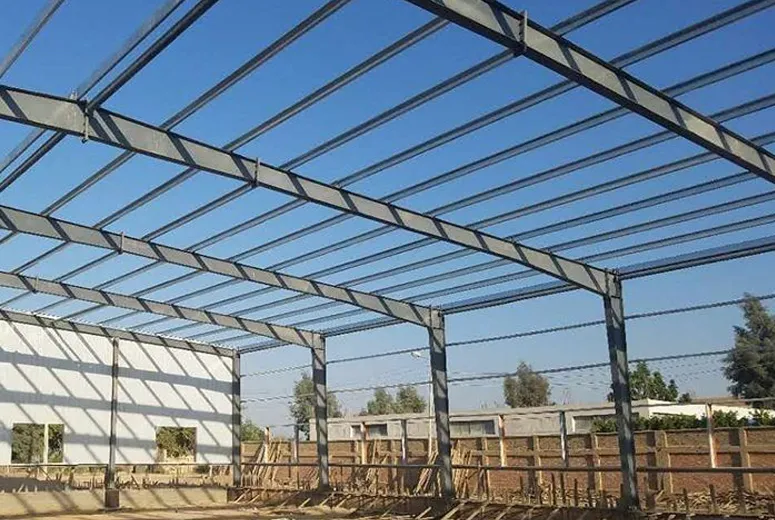
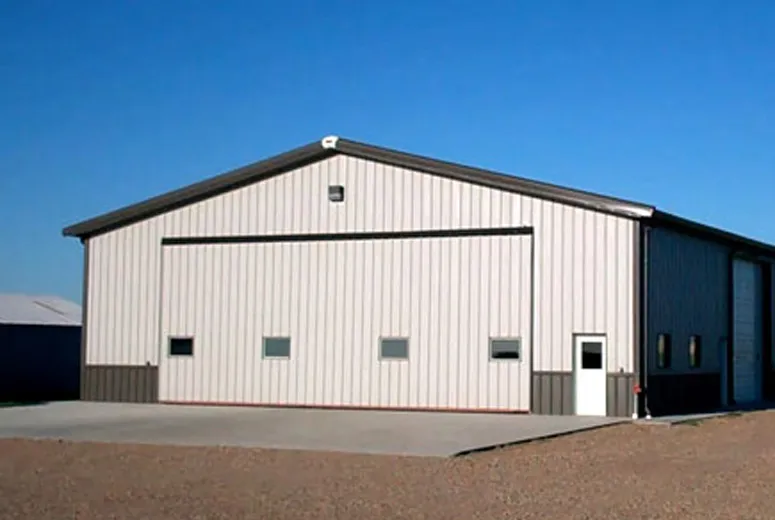
Evolution and Trajectory of Steel Engineering in Peru

From basic sheds to high-tech seismic-resistant industrial complexes.

Market Development History

During the late 20th century, industrial construction in Peru relied heavily on reinforced concrete and basic bolted steel frames. These early structures lacked the scalability required for the booming export economy of the 2000s.

Between 2010 and 2020, the introduction of Pre-Engineered Buildings (PEB) revolutionized the market. The shift toward a professional steel structure building approach allowed companies to reduce construction time by 30% while increasing clear-span widths.

Currently, the market is entering a phase of "Intelligent Integration," where structural steel is combined with automated racking systems and energy-efficient cladding to meet global ESG standards.

Future Development Trends

Seismic Isolation Technology

Integration of base isolators and dampers within steel frames to mitigate the impact of high-magnitude tremors common in the Peruvian highlands.

Sustainable Green Steel

Increasing adoption of recycled steel and low-carbon manufacturing processes to align with Peru's national environmental commitments.

Modular Rapid Deployment

The rise of prefabricated modules that can be shipped to remote mining sites in the Andes and assembled with minimal local heavy machinery.

Industry Trends and Future Outlook for Peru

Strategic foresight into the next 5 years of Peruvian industrial architecture.

AI-Driven Design Optimization
Using generative design to reduce steel weight while maintaining maximum load-bearing capacity for Peruvian terrain.
Smart Thermal Insulation
Advanced sandwich panels to handle extreme temperature swings between the Peruvian coast and the Andes.
Anti-Corrosive Nano-Coatings
Implementing graphene-based coatings to combat the high humidity and salinity of the Peruvian coastline.
Integrated BIM Management
Full lifecycle digitalization from design to maintenance for large-scale industrial parks in Peru.

Industry Outlook

Over the next 3-5 years, Google search trends indicate a rising interest in "sustainable industrial warehouses" and "seismic-safe factories" within the South American region. Peru is expected to lead this transition as it upgrades its infrastructure to support the Asia-Pacific trade corridor.

The focus will shift from merely "building a shell" to "creating a high-performance asset." This means integrating energy harvesting (solar roofing) and smart ventilation directly into the steel framework to reduce operational costs.

Localized Application Scenarios in Peru

Real-world implementations across Peru's diverse industrial sectors.

01. Coastal Logistics Hubs in Callao

Implementing high-span steel structure warehouse units with marine-grade coatings to serve as primary transit points for international shipping.

02. Andean Mining Support Facilities

Rapid-deploy industrial building modules designed for high-altitude endurance and extreme wind loads in the mountain regions.

03. Agro-Industrial Processing Plants

Hygiene-compliant steel workshop environments for Peru's blueberries and asparagus export sectors, featuring seamless cladding.

04. Lima Manufacturing Centers

Multi-story workshop steel structure designs that maximize vertical space in densely populated urban industrial zones.

05. Regional Cold Storage Warehouses

Thermal-insulated steel shells designed for the Peruvian seafood industry, combining structural rigidity with high-density insulation panels.

Brand Story

Global Development Journey of Hebei Hongji Shunda Steel Structure Engineering Co., Ltd.

Foundational Excellence

Established with a mission to solve the inefficiency of traditional construction, we focused on precision engineering and high-strength steel fabrication.

Technological Breakthroughs

Pioneered automated welding and CNC cutting processes to ensure every component fits perfectly, reducing on-site error rates to near zero.

Global Market Expansion

Extended our reach to South America, adapting our designs to meet strict international standards and diverse climatic challenges.

Commitment to Peru

Developed a dedicated engineering protocol for the Peruvian market, focusing on seismic resilience and anti-corrosive durability.

Vision for the Future

Striving to be the global leader in sustainable industrial architecture, blending green materials with intelligent structural design.

Comprehensive Steel Solutions for the Peruvian Market

A full suite of engineered structures designed for durability, safety, and rapid ROI.

Common Questions Regarding Steel Construction in Peru

Expert answers to the most pressing technical and regulatory concerns.

How does a steel structure building handle seismic activity in Peru?

Our designs incorporate ductile detailing and flexible connections that allow the structure to absorb and dissipate seismic energy without collapsing, adhering to Peruvian national building codes (Norma E.090).

What is the best coating for a steel workshop near the coast of Lima?

For coastal environments, we recommend hot-dip galvanization combined with a high-performance epoxy or polyurethane topcoat to prevent saline corrosion and oxidation.

Can a workshop steel structure be expanded in the future?

Yes, one of the primary advantages of our steel systems is modularity. We design the primary frames with expansion joints and bolt-on capabilities to allow for seamless extensions as your business grows.

How long does it take to erect a steel structure warehouse in remote Andean regions?

Due to our PEB (Pre-Engineered Building) approach, fabrication happens in the factory. On-site assembly in remote areas typically takes 40-60% less time than traditional concrete construction.

Is an industrial building made of steel more cost-effective than concrete?

While material costs vary, the reduction in labor time, foundation requirements, and the ability to create larger open spaces without columns make steel significantly more cost-effective over the project lifecycle.

What certifications are required for steel structures in Peru?

Structures must comply with the Reglamento Nacional de Edificaciones (RNE) and international standards such as AISC (American Institute of Steel Construction) for material quality and design safety.

Ready to Build Your Industrial Future?

Partner with the experts in high-performance steel engineering to scale your operations in Peru.

Contact Us Now

If you are interested in our products, you can choose to leave your information here, and we will be in touch with you shortly.