Durable Steel Frame Residential Homes | Expert Insights & Specs
Jan . 01, 2026 01:05 Back to list
Steel Frame Residential Homes: A Durable Choice for Modern Living
Having spent well over a decade around industrial equipment and construction sites, I’ve seen firsthand how materials shape the way we build. Steel frame residential homes have gradually become a favorite in the housing sector. Not surprising, really — steel offers a resilience and flexibility that wood or concrete sometimes just can’t match, especially for custom or off-the-grid builds.
One thing I always remember from my early days in the field is how skeptical some folks were. “Steel? For a cozy home?” they’d ask. But as environmental and durability concerns push design choices, steel frames have gone from industrial oddity to mainstream option. Frankly, they’re often lighter than concrete and much more pest-resistant than timber. And they handle extreme weather far better — which in my experience, especially in hurricane-prone or earthquake-active zones, matters a great deal.
Of course, not all steel frames are created equal. The quality depends on factors like gauge thickness, corrosion protection, and manufacture precision. For instance, products from Hongji Shunda, a manufacturer I’ve often come across, show a nice balance of strength and versatility. They use high-tensile steel and strict quality controls that often surpass minimum standards; something I can appreciate having inspected many steel components at various plants.
| Specification | Details |
|---|---|
| Material | High-Tensile Cold-Formed Steel |
| Gauge Thickness | 12 to 20 gauge (varies by load requirements) |
| Corrosion Protection | Galvanized & epoxy-coated options available |
| Span Capability | Up to 24 feet without intermediate support |
| Fire Resistance | Non-combustible, Class A rating |
One of the things that's kind of interesting about steel frames is how they support architectural creativity. Unlike traditional timber framing, steel can be fabricated with precise cuts and complex shapes pre-assembled in a factory. In real terms, this means less waste, faster construction timelines, and often better energy efficiency when combined with modern insulation materials. I noticed a family friend who recently built using a steel frame often commented they felt “secure but not boxed in”, the frames enabling large open-plan designs without hefty load-bearing walls.
When considering vendors for steel framing, several factors come into play — pricing, lead time, customization options, and post-sales support. I put together a quick comparison of three notable suppliers, including Hongji Shunda, who I've found reliable and accessible.
| Vendor | Customization | Lead Time | Pricing | Warranty |
|---|---|---|---|---|
| Hongji Shunda | Full design integration & pre-assembly | 4-6 weeks | Competitive | 10 years structural |
| SteelHome Inc. | Standard models, limited customization | 6-8 weeks | Mid-range | 5 years |
| Global Metal Frames | Custom but minimal pre-assembly | 3-5 weeks | Premium | 15 years |
Oddly enough, many engineers I’ve talked to emphasize the environmental benefits of steel frames. Since steel is highly recyclable, it reduces landfill waste dramatically compared to other methods. Plus, homes built with steel tend to be more airtight, which plays well into energy-saving. If you think about it, both builder and homeowner win in the long run.
There’s also the matter of safety. Steel’s non-combustible nature means houses are often rated better under fire codes, and they don’t suffer from mold or rot — problems I’ve seen cause headaches on timber sites repeatedly. It feels like the sector is slowly waking up to these benefits, especially as urban populations grow and construction demands get more complex.
To wrap it up, if you’re exploring durable, flexible, and sustainable building materials, steel frame residential homes are definitely worth a look. From my experience, they blend industrial robustness with surprising architectural flair. You might even find, like some of my colleagues, it’s the smarter choice for future-proof living.
References:
- American Iron and Steel Institute (AISI), Design Guidelines for Cold-Formed Steel Structural Members.
- U.S. Department of Energy, Benefits and Considerations of Steel-Framed Homes.
- Industry interviews and field inspections, 2010-2023.
-
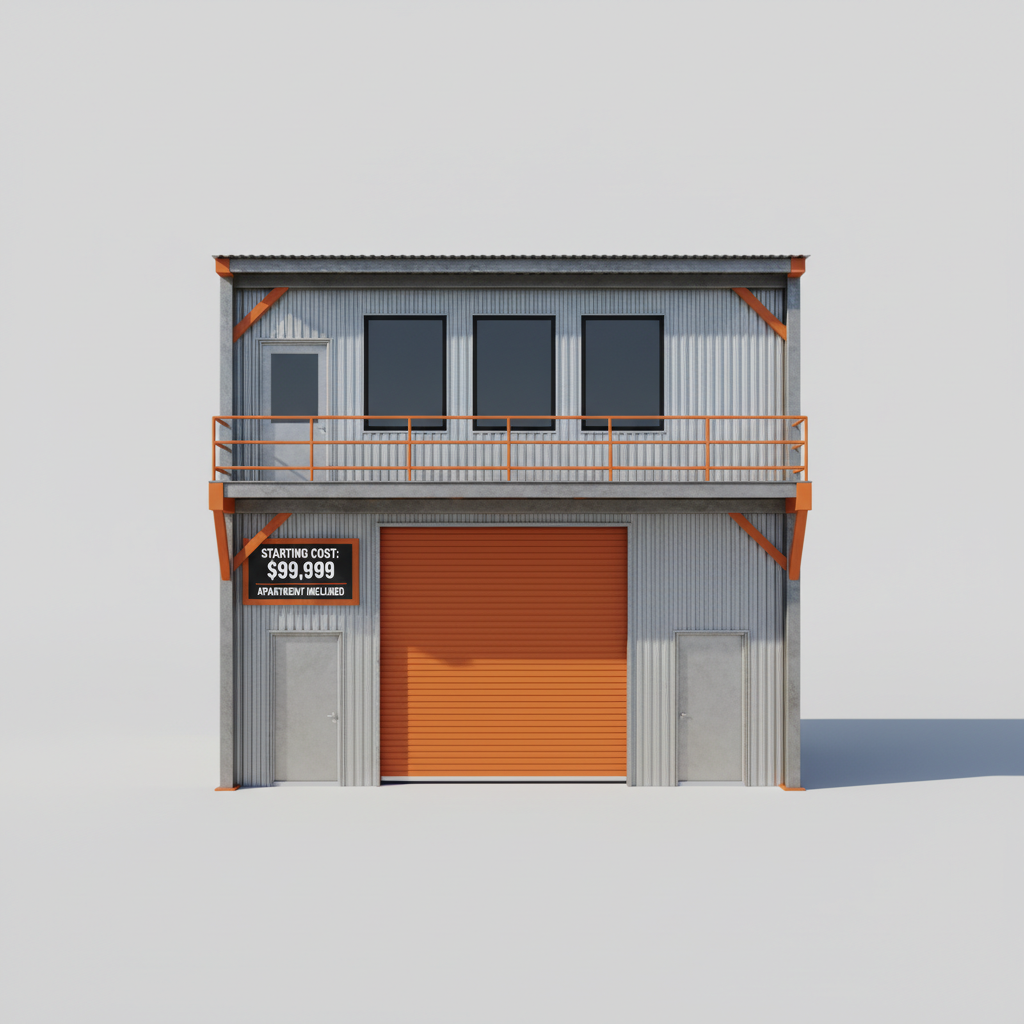
Complete Guide to Metal Garage with Apartment Cost and Budgeting
NewsApr.16,2026
-
Understanding Metal Garage Cost and Complete Investment Guide
NewsApr.09,2026
-
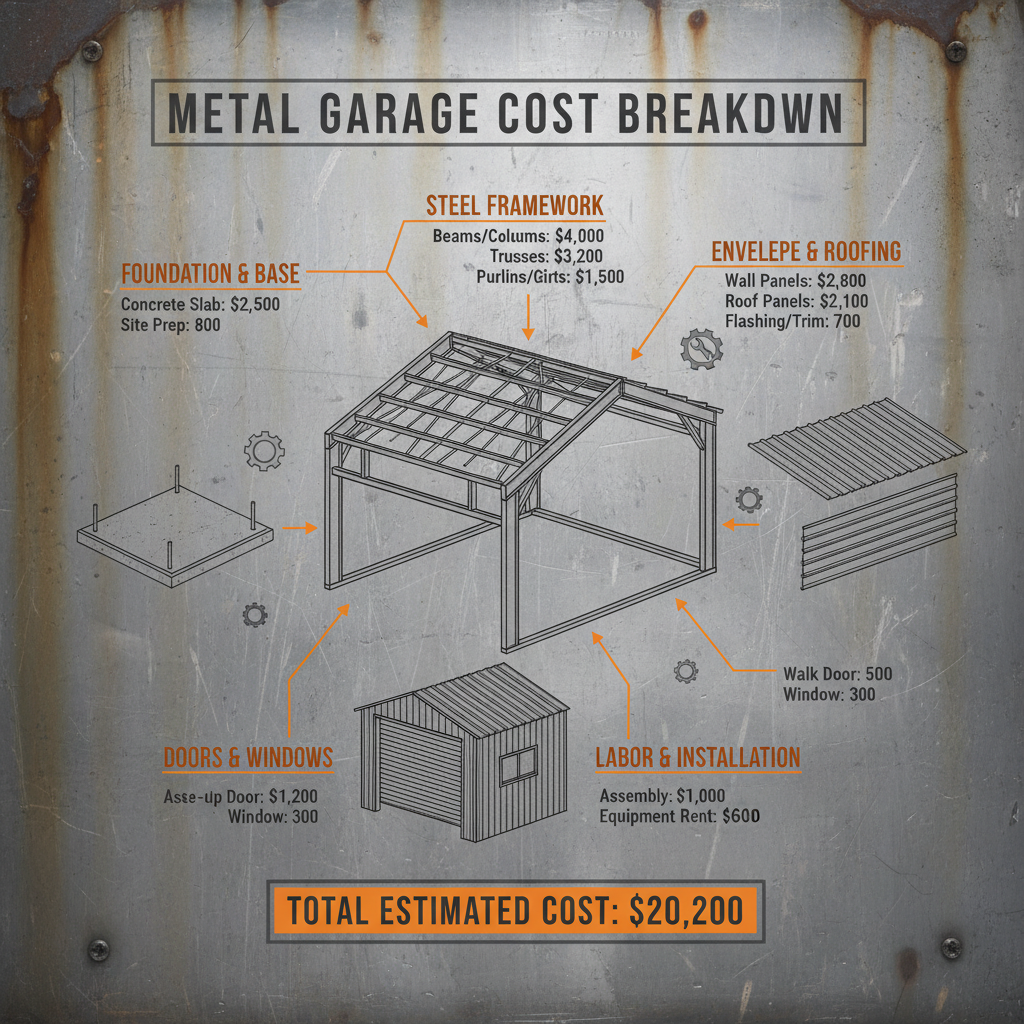
Understanding the Cost to Build a Metal Garage for Your Property
NewsApr.07,2026
-
Understanding the Cost of Metal Garage Building and Factors to Consider
NewsApr.04,2026
-
Understanding the Cost of a 20x30 Metal Garage and Key Considerations
NewsMar.31,2026
-
Understanding the Cost for Metal Garage Construction and Installation
NewsMar.28,2026
Products categories
Our Latest News
We have a professional design team and an excellent production and construction team.