Comprehensive Guide to Durable Residential Steel Construction Solutions
Jan . 28, 2026 11:45 Back to list
Residential Steel Construction: A Comprehensive Guide
Considering steel for your next residential construction project? You're exploring a robust, sustainable, and increasingly popular option. Hongji Shunda specializes in providing high-quality steel solutions for residential builds, offering durability and design flexibility. This guide will delve into the benefits, applications, and considerations of residential steel construction, equipping you with the knowledge to make informed decisions. From framing to roofing, we'll explore how steel is transforming home building.
The Benefits of Residential Steel Construction
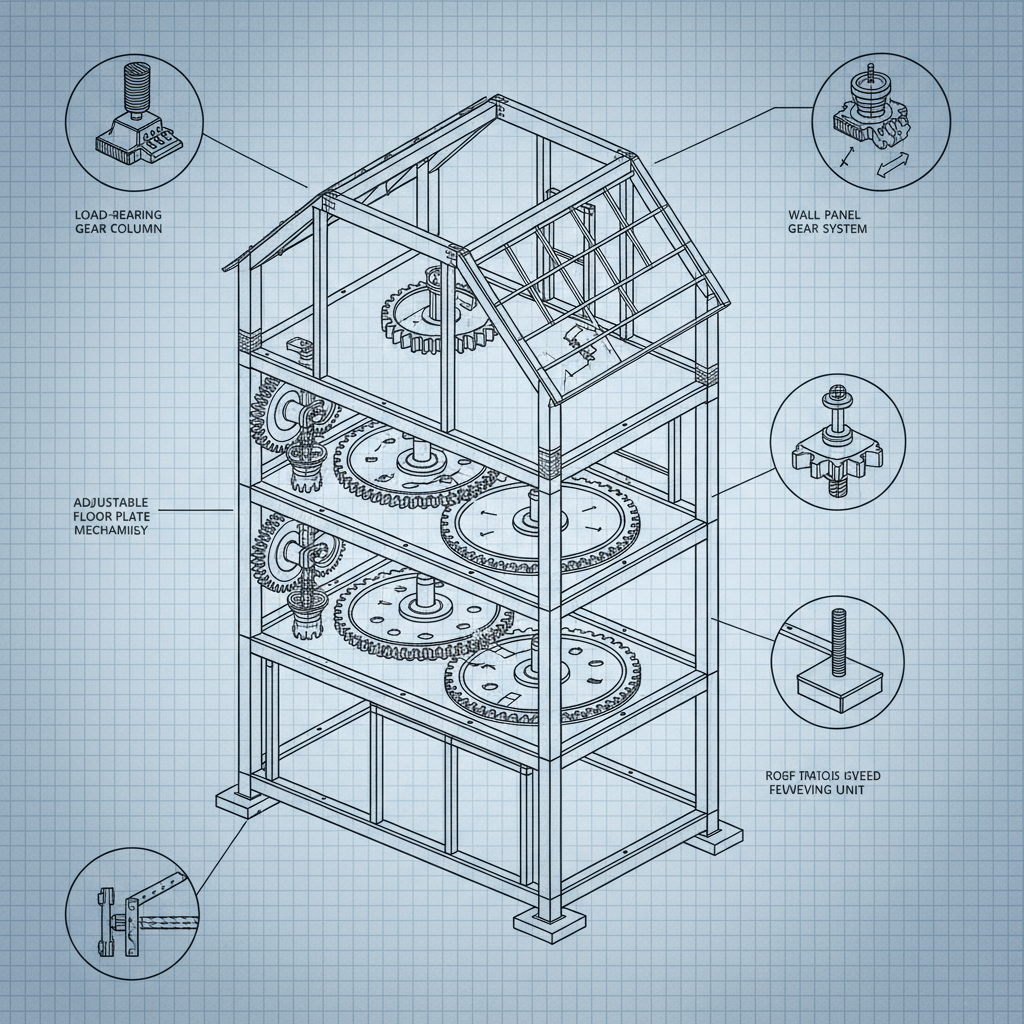
Choosing steel for your home offers a multitude of advantages. It’s significantly stronger than wood, making it exceptionally resistant to damage from pests, fire, and extreme weather. Steel doesn’t warp, rot, or attract termites, leading to lower long-term maintenance costs. It's also a sustainable material – steel is one of the most recycled materials on earth. Furthermore, the precision of steel allows for faster construction times and greater design flexibility, allowing for unique architectural styles. Hongji Shunda's steel products are engineered for longevity and performance.
Key Highlights: Strong, durable, sustainable, fire-resistant, pest-resistant, and design-flexible. Offers faster construction times and reduces long-term maintenance.
Applications of Steel in Residential Building
Steel isn't limited to just the structural frame of a house. It’s increasingly used in a wide range of applications, including roofing, wall framing, floor joists, and even decorative elements. Light-gauge steel framing is a popular alternative to traditional wood framing, offering similar strength with the added benefits of steel. Steel roofing provides exceptional durability and longevity, resisting fire, wind, and impact damage. Choosing steel for these components translates to a more resilient and secure home.
Versatile Applications:
• Structural framing
• Roofing
• Wall framing
• Floor joists
• Decorative elements
Residential Steel Construction vs. Traditional Wood Framing
While wood framing has been the standard for decades, residential steel construction offers compelling advantages. Steel is non-combustible, significantly reducing fire risk. It’s also dimensionally stable, meaning it won’t shrink, warp, or twist over time, unlike wood. This stability leads to straighter walls, fewer cracks, and improved energy efficiency. Furthermore, steel is impervious to pests, eliminating the need for costly pest control treatments. Hongji Shunda can provide detailed cost comparisons to help you evaluate the best option for your project.
Cost Considerations for Steel Residential Builds
The initial cost of steel framing can sometimes be higher than wood framing, but this is often offset by long-term savings. Reduced maintenance, lower insurance premiums (due to fire resistance), and increased durability all contribute to a lower total cost of ownership. Furthermore, the faster construction times associated with steel framing can also lead to significant cost savings. Hongji Shunda provides competitive pricing and expert advice to help you manage your budget effectively.
Choosing the Right Steel Supplier: Hongji Shunda
Selecting a reputable steel supplier is crucial for a successful project. Hongji Shunda is a leading provider of high-quality steel products for residential construction, offering a wide range of options to meet your specific needs. We pride ourselves on our commitment to quality, reliability, and customer satisfaction. Our team of experts can provide technical support and guidance throughout your project, ensuring a smooth and efficient build.
Conclusion: Building a Strong Future with Steel
For those considering residential steel construction, the benefits are clear. Durability, sustainability, and design flexibility combine to create a superior building experience. Partner with Hongji Shunda to ensure your project is built to last.
Frequently Asked Questions (FAQs)
Is steel framing suitable for all climates?
Yes, steel framing is exceptionally versatile and performs well in a wide range of climates. Its resistance to moisture, pests, and extreme temperatures makes it ideal for both hot and cold environments. Unlike wood, steel doesn’t expand or contract significantly with changes in temperature, minimizing structural issues. Proper insulation is still essential to maximize energy efficiency, regardless of the framing material used. It is corrosion-resistant, but in highly saline environments, appropriate coatings may be needed to further enhance protection.
How does steel framing affect insurance costs?
Steel framing can often lead to lower insurance premiums due to its non-combustible nature. Insurance companies recognize the reduced fire risk associated with steel construction and may offer discounts accordingly. This can result in significant long-term savings, offsetting any potential initial cost differences compared to wood framing. It's always best to check with your insurance provider for specific details regarding coverage and potential discounts.
What about the environmental impact of steel construction?
Steel is one of the most recycled materials in the world, making it a sustainable building choice. Using recycled steel reduces the demand for new raw materials and conserves natural resources. Steel framing also generates less waste during construction compared to wood framing. Hongji Shunda is committed to responsible sourcing and sustainable practices.
Are there any special tools or skills required for steel framing?
While steel framing requires some different techniques than wood framing, it doesn’t necessarily require highly specialized skills. However, contractors should be familiar with working with steel and using the appropriate tools, such as screw guns and metal shears. Hongji Shunda can provide training resources and support to ensure a smooth installation process.
-
Complete Guide to Metal Garage with Apartment Cost and Budgeting
NewsApr.16,2026
-
Understanding Metal Garage Cost and Complete Investment Guide
NewsApr.09,2026
-
Understanding the Cost to Build a Metal Garage for Your Property
NewsApr.07,2026
-
Understanding the Cost of Metal Garage Building and Factors to Consider
NewsApr.04,2026
-
Understanding the Cost of a 20x30 Metal Garage and Key Considerations
NewsMar.31,2026
-
Understanding the Cost for Metal Garage Construction and Installation
NewsMar.28,2026
Products categories
Our Latest News
We have a professional design team and an excellent production and construction team.