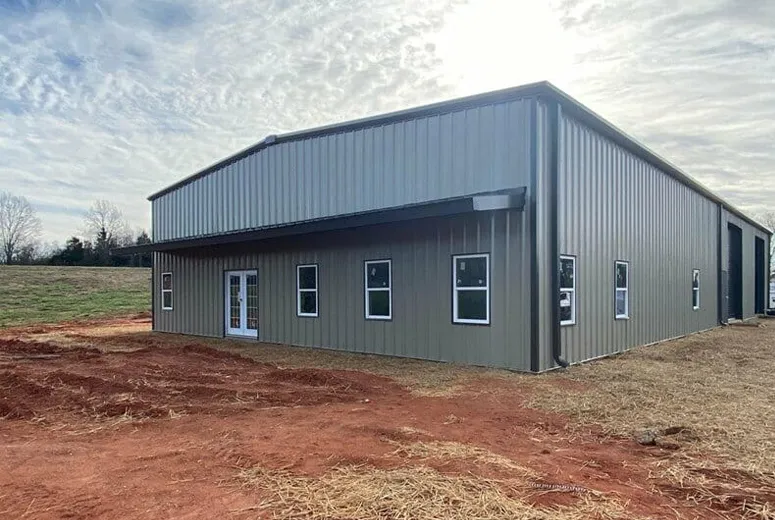
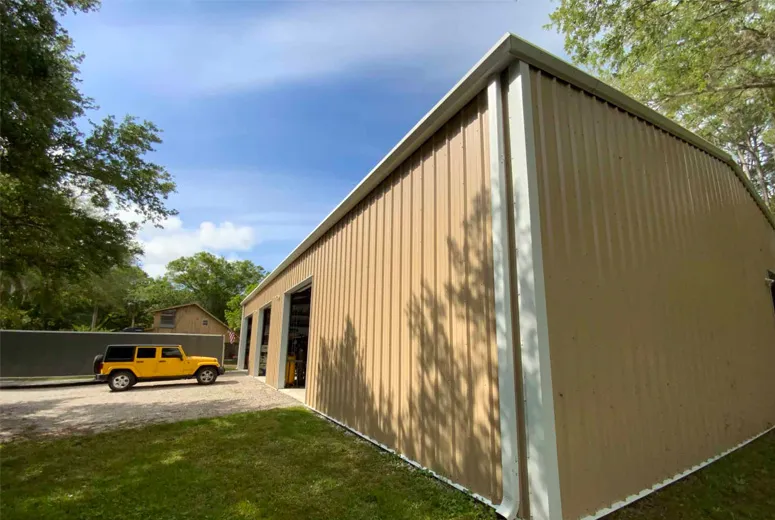
Argentina Industrial Growth with Advanced steel structure warehouse Solutions

Providing high-durability, seismic-resistant, and cost-effective structural engineering for Argentina's expanding industrial sectors.

Argentina Industrial Growth with Advanced steel structure warehouse Solutions

Integrating precision engineering with local Argentinian building codes to deliver the most reliable industrial building frameworks for logistics and manufacturing.

The State of Steel Construction in Argentina

Analyzing the intersection of Argentinian geography and industrial infrastructure needs.

Argentina's industrial landscape is characterized by vast agricultural plains and growing urban hubs like Buenos Aires and Córdoba. The demand for a steel workshop has surged as the nation seeks to modernize its agribusiness and automotive manufacturing plants to compete globally.

Geographically, the diversity of the region—from the humid Pampas to the arid Patagonia—requires structural flexibility. Modern workshop steel structure designs in Argentina now prioritize corrosion resistance to combat varying humidity levels and wind loads common in the southern cone.

Economically, the shift toward prefabricated systems is driven by the need for rapid deployment. Businesses are increasingly opting for a steel structure building to reduce onsite labor costs and minimize construction timelines during periods of economic volatility.
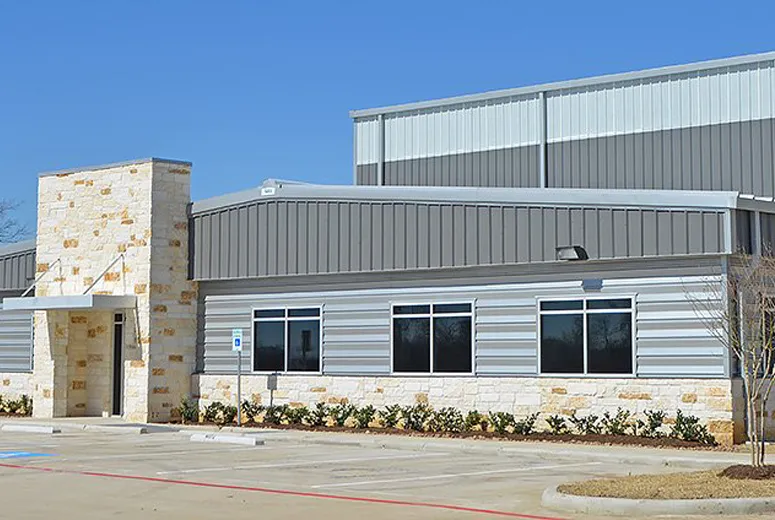
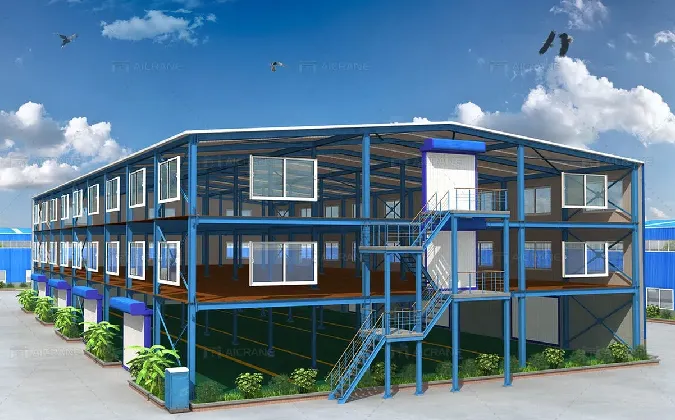
Evolution and Trajectory of Argentinian Steel Engineering

From traditional heavy frames to smart, sustainable industrial envelopes.

Market Development History

In the early 20th century, Argentinian industrial sites relied heavily on reinforced concrete and basic heavy steel beams. These structures were durable but lacked the scalability required for the rapid industrialization of the mid-century era.

Between 1990 and 2010, the introduction of PEB (Pre-Engineered Buildings) transformed the market. The focus shifted toward optimizing the industrial building by using high-strength steel, which allowed for larger clear spans and fewer internal columns.

From 2015 to the present, the integration of BIM (Building Information Modeling) has allowed Argentinian engineers to simulate environmental stresses, ensuring that every steel structure building is optimized for both material efficiency and structural safety.

Future Development Trends

Green Steel Integration

Adopting low-carbon steel production to meet international sustainability standards, reducing the environmental footprint of large-scale warehouses.

Modular Expansion Systems

Designing structures that allow for "plug-and-play" expansions, enabling Argentinian firms to grow their facility capacity without halting operations.

AI-Driven Structural Optimization

Utilizing generative design to create ultra-lightweight yet high-strength frames that reduce steel consumption by up to 15%.

Future Trends and Strategic Outlook

Predicting the next 3-5 years of structural evolution in the South American market.

Sustainable Material Sourcing
Increasing adoption of recycled steel to lower the embodied carbon of Argentinian warehouses.
Smart Factory Integration
Designing structures that natively support IoT sensors and automated robotic conveyor systems.
Energy-Efficient Envelopes
Combining steel frames with advanced thermal insulation to reduce HVAC costs in Patagonia.
Rapid-Build Modularization
Transitioning to 90% off-site fabrication to avoid Argentinian weather-related construction delays.

Industry Outlook

Google search trends indicate a rising interest in "sustainable industrial architecture" and "fast-assembly warehouses" within South America. This suggests that the Argentinian market is moving away from traditional construction toward high-tech, rapid-deployment steel systems.

The future will likely see a convergence of steel engineering and renewable energy, where industrial roofs are designed specifically to support massive solar arrays, turning warehouses into energy-producing assets.

Localized Application Scenarios in Argentina

Tailored steel solutions for the specific economic drivers of the Argentinian region.

01. Agribusiness Grain Storage Hubs

Implementing massive steel structure warehouse units in the Pampas region to protect harvests from humidity and ensure efficient logistics for export.

02. Automotive Assembly Plants in Córdoba

Designing a heavy-duty steel workshop with wide clear-spans to accommodate robotic assembly lines and heavy machinery movement.

03. Wine Production Facilities in Mendoza

Creating a specialized workshop steel structure that blends industrial efficiency with the aesthetic and temperature requirements of premium winery operations.

04. Logistics Centers in Greater Buenos Aires

Constructing multi-story industrial building complexes to handle the high-volume e-commerce traffic entering the capital city.

05. Cold Storage for Patagonia Seafood

Developing insulated steel structure building shells designed for extreme cold, ensuring structural integrity in sub-zero temperatures.

Brand Story

Global Development Journey of Hebei Hongji Shunda Steel Structure Engineering Co., Ltd.

Foundational Excellence

Established with a focus on precision, we began by solving the problem of structural instability in early industrial frames, setting a benchmark for quality.

Technological Breakthrough

We pioneered the integration of high-tensile steel alloys, allowing our clients to build larger, lighter, and safer industrial spaces.

Global Market Expansion

Expanding beyond domestic borders, we adapted our engineering to meet diverse international codes, including the specific seismic requirements of South America.

Sustainable Innovation

We launched our green-building initiative, focusing on zero-waste fabrication and energy-efficient building envelopes for global industrial partners.

Industry Leadership

Today, we stand as a global leader, solving complex structural challenges and delivering turnkey solutions for the most demanding industrial environments.

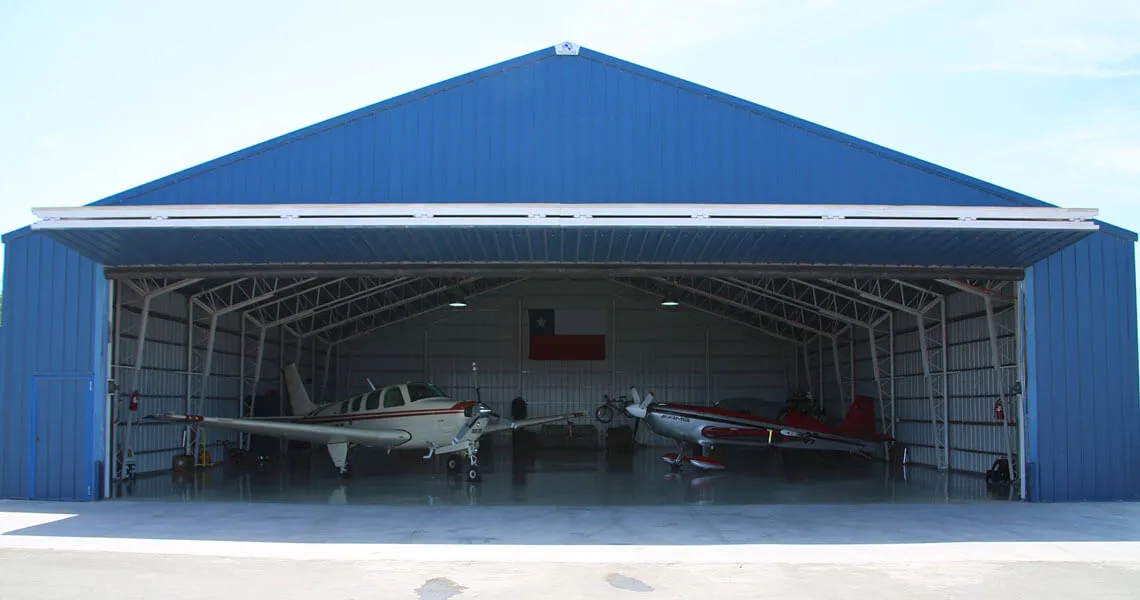
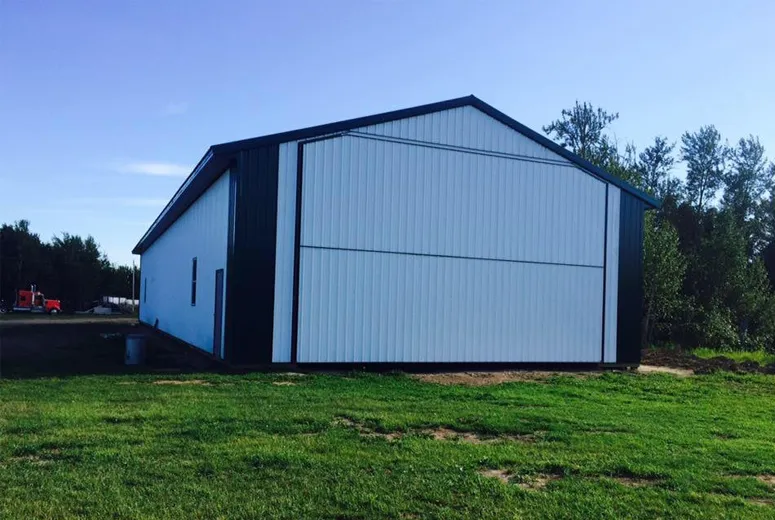
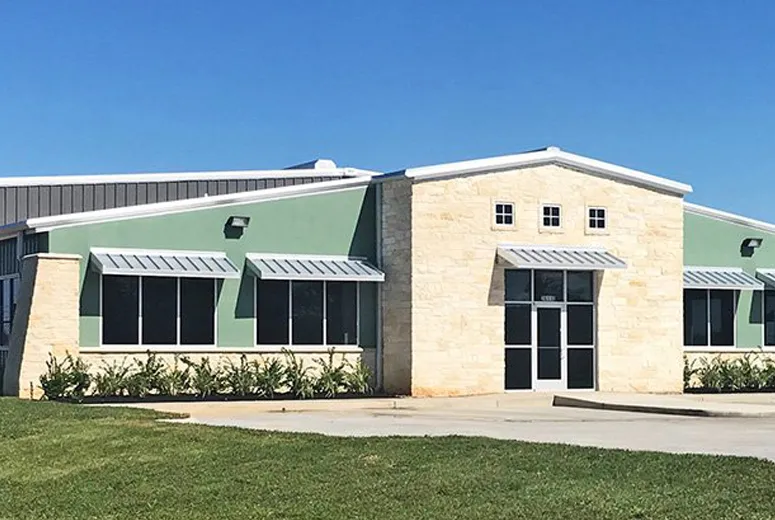
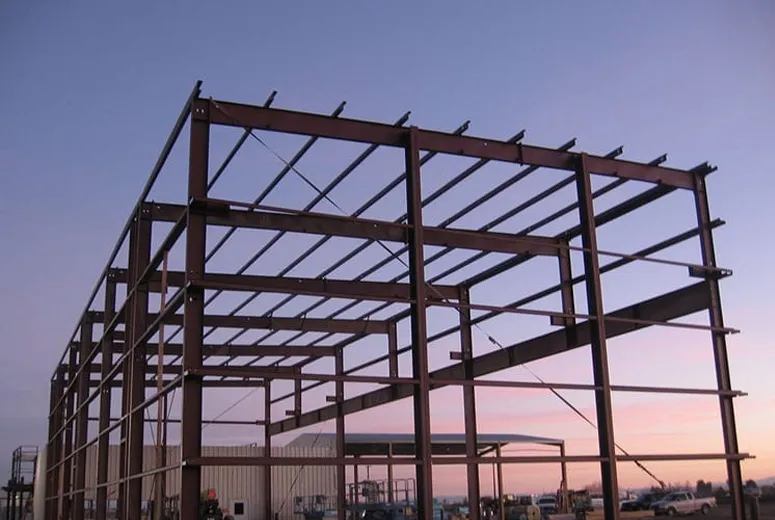
Complete Industrial Steel Portfolio for Argentina

From specialized workshops to massive logistics hubs, we provide full-spectrum structural support.

Common Questions on Steel Construction in Argentina

Expert answers to the most frequent technical and regulatory queries in the local market.

How does the Argentinian climate affect the choice of a steel structure building?

Given Argentina's diverse climate, we recommend high-grade galvanized steel and specialized anti-corrosive coatings for coastal areas and high-humidity regions like the Pampas to ensure longevity.

What are the benefits of a pre-engineered steel workshop over traditional concrete?

Pre-engineered steel workshops offer significantly faster installation times, higher flexibility for future expansion, and superior strength-to-weight ratios compared to concrete.

Can a workshop steel structure be customized for seismic zones in Argentina?

Yes, our designs incorporate specialized bracing and flexible connections that comply with local seismic codes, ensuring stability during tectonic activity.

What is the typical lifespan of an industrial building made of steel in South America?

With proper maintenance and the use of high-quality protective coatings, our industrial steel buildings are designed to last over 50 years.

How long does it take to install a large-scale steel structure warehouse?

Depending on the size and complexity, fabrication takes a few weeks, and on-site assembly can often be completed in a fraction of the time required for concrete buildings.

Are there eco-friendly options for industrial building materials?

Absolutely. We offer recycled steel options and integrate energy-efficient cladding and insulation that reduce the overall carbon footprint of the facility.

Ready to Build Your Future in Argentina?

Our engineering experts are ready to provide customized structural solutions for your projects in Argentina. Let's build something lasting together.

Contact Us Now

If you are interested in our products, you can choose to leave your information here, and we will be in touch with you shortly.