



ag buildings
Nov . 13, 2024 01:12 Back to list
The Evolution of AG Buildings Balancing Agriculture and Innovation
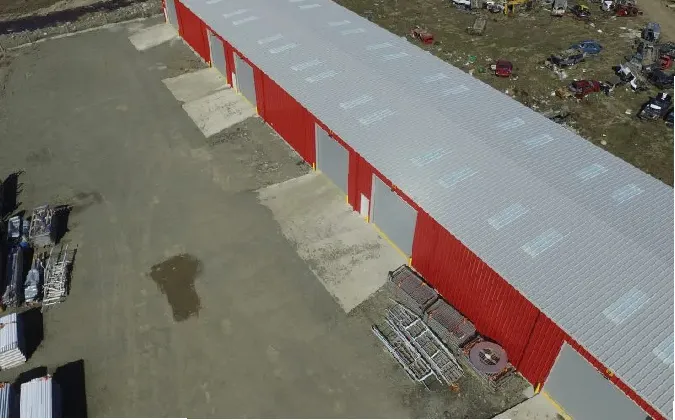
Agricultural buildings, commonly referred to as AG buildings, play an essential role in the modern agricultural landscape. These structures serve a multitude of functions, tailored to the diverse needs of farmers and agricultural businesses. As agriculture continues to evolve, so too does the design and construction of these buildings, reflecting advancements in technology, sustainability, and efficiency.
The Evolution of AG Buildings Balancing Agriculture and Innovation
One of the most critical aspects of contemporary AG building design is sustainability. As the agricultural sector seeks to reduce its environmental impact, many producers are investing in green building practices. This includes the use of renewable materials, energy-efficient insulation, and solar panels. Moreover, rainwater harvesting systems are increasingly being integrated into AG buildings, providing farmers with an economical and eco-friendly water supply.
ag buildings
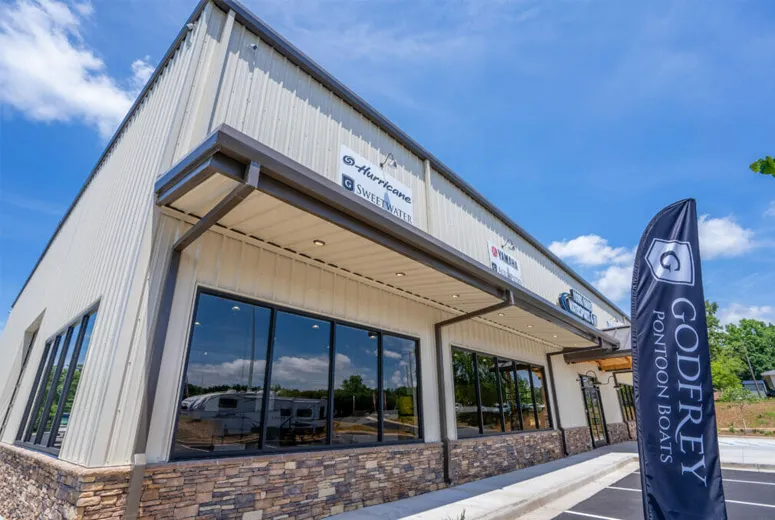
The rise of digital technology has also significantly influenced AG buildings. Smart farming technologies, such as IoT (Internet of Things) sensors, enable real-time monitoring of conditions within agricultural facilities. These sensors can track temperature, humidity, and even the health of livestock, allowing for timely interventions and optimized operational efficiency. This tech-driven approach not only improves productivity but also reduces waste, making farming more sustainable.
Additionally, AG buildings are adapting to accommodate new agricultural practices, such as vertical farming and hydroponics. These innovative farming techniques require specific building designs to maximize space and efficiency. Consequently, AG buildings are becoming more versatile, capable of supporting different methods of food production while ensuring the safety and comfort of crops and animals.
In conclusion, AG buildings represent a dynamic intersection of tradition and innovation in agriculture. As the sector faces increasing demands for food production, environmental sustainability, and technological advancement, the evolution of agricultural buildings will be pivotal. By embracing new materials, technologies, and sustainable practices, AG buildings are poised to support the future of agriculture, ensuring a resilient and productive sector for generations to come.
-
Roof Ponding and Snow Load Design: Preventing Progressive Deflection and Structural Collapse in Industrial Warehouses
NewsOct.13,2026
-
H-Beam Welding Quality in Prefabricated Steel: Penetration, Inspection, and Avoiding Field Failures
NewsOct.10,2026
-
Structural Steel vs. Reinforced Concrete: An Honest 20-Year Cost Comparison
NewsOct.10,2026
-
Hot-Dip Galvanizing vs Paint: Which Corrosion Protection Is Right for Your Building?
NewsOct.10,2026
-
Baseplate Grouting and Anchor Bolt Mistakes That Ruin Steel Warehouses
NewsOct.10,2026
-
Designing Steel Warehouses for Chile: Seismic Ductility, Drift, and Foundation Realities
NewsSep.21,2026
Products categories
Our Latest News
We have a professional design team and an excellent production and construction team.


